
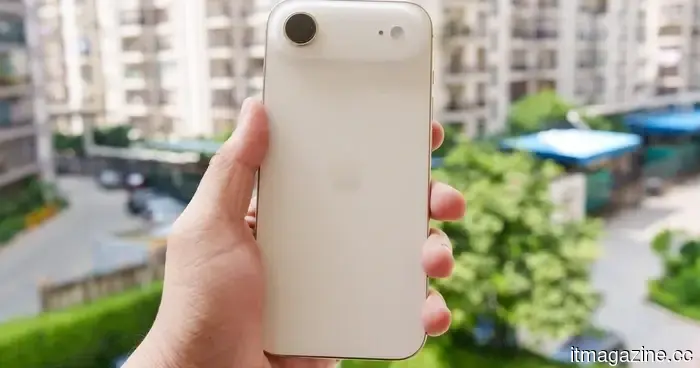
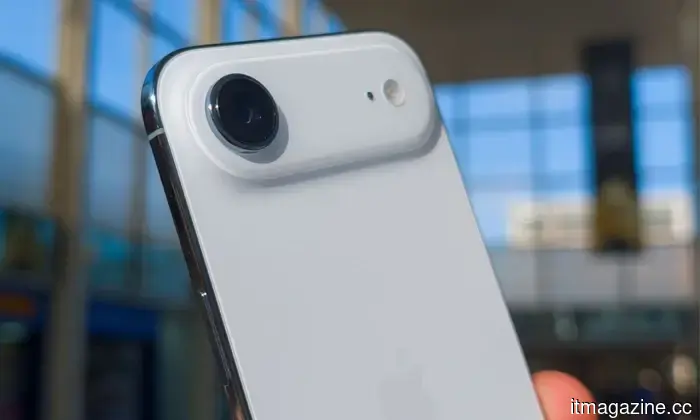
The iPhone Air demonstrates why smaller phones remain the preferable choice.
I understand the attraction of ultra-slim phones like the iPhone Air and Galaxy S25 Edge. As soon as you pick them up, they feel noticeably different from a standard smartphone. The iPhone Air is incredibly thin at just 5.64mm, weighing only 165 grams, and it still provides a fairly sizable 6.5-inch OLED display with ProMotion.
Apple has achieved comfort with this size. Many smartphones are becoming uncomfortable in a specific way; they are either too tall, overly heavy with cameras, or too cumbersome for extended use one-handed. The iPhone Air alleviates this weariness by not only being slimmer but also lighter.
Though it's not as tall as the Galaxy S25 Edge, it feels less bulky in the hand. However, the novelty diminishes when I realize that the solution to the issue is already available. After using a compact phone for over a year, the iPhone Air reminded me that being thin doesn't equate to true usability. I use a smaller phone daily because it fits better in my hand compared to most modern flagships. It is easier to grip securely, more comfortable for one-handed typing, and generally more practical to use.
Today's "compact" phones may not be as small as they once were, but they still feel manageable compared to devices approaching the 7-inch screen size.
Thinness may improve how the phone feels in hand, but it doesn’t solve the reach issue.
The iPhone Air is easier to hold than most large flagship devices due to its lighter and slimmer design, making it more convenient for reading, scrolling, or carrying around. A heavier phone can become annoying after some time, especially if you don’t switch hands often. Yet, for those with smaller hands, the Air may still feel tall. The top of the screen remains distant, and accessing notifications, Control Center, or interacting with apps that place important buttons at the upper half of the display still requires stretching, adjusting your grip, or using a second hand.
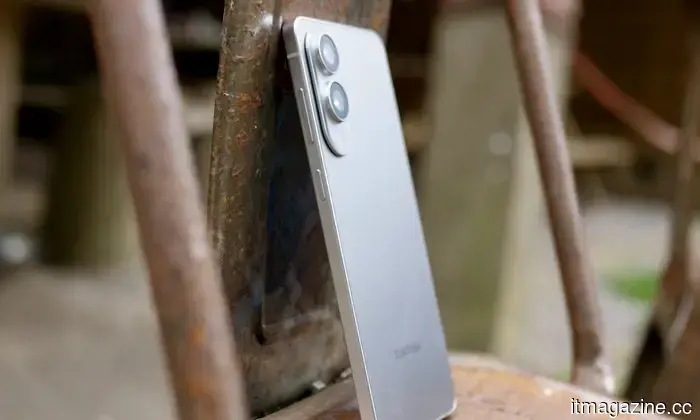
This issue also affects other ultra-thin phones like the Motorola Edge 70 and Samsung Galaxy S25 Edge. A thinner design certainly makes the phone more streamlined, and a lighter phone helps reduce wrist fatigue. However, neither alters the geometry of a large screen. Your thumb still has to cover the same distance. Your grip remains challenged. If you’re using the phone one-handed, the experience isn’t ideal. This is where compact phones truly shine.
Not only do they lessen the weight problem, but they also reduce the problem itself.
Ultra-thin phones typically come with compromises in design. The iPhone Air has a robust 48MP Fusion camera system, but it relies on just one main camera. Samsung’s Galaxy S25 Edge follows a similar pattern; it looks impressive and prioritizes slimness but is limited to a 200MP main camera and a subpar 12MP ultra-wide-angle lens. These compromises aren’t always disastrous, though—the iPhone Air still boasts a Pro-grade chip, a smooth ProMotion display, and a genuinely special feel. Samsung’s S25 Edge is a premium device, not merely a fragile design experiment.
Compact phones manage these challenges more effectively. My daily phone, the Xiaomi 15, offers a complete triple-camera setup with main, ultrawide, and telephoto lenses, all in a device that doesn't feel oversized. The OnePlus 15T also exemplifies how contemporary phone makers are incorporating larger batteries and robust cooling systems into a smaller design, with OnePlus promoting a substantial 7,500mAh battery, 100W wired fast charging, and 50W wireless charging. Thus, you can enjoy a comprehensive flagship experience without the added height.
The iPhone Air is a solid concept. I believe it is one of Apple’s more intriguing hardware experiments in recent years. It demonstrates that a large phone doesn't have to feel like a clunky slab of glass and metal in your pocket, making iPhones more appealing to those who dislike hefty flagships. However, for me, the original issue was never purely about thickness. It was the daily exhaustion caused by tall flagships. While compact phones might not appear as futuristic or generate the same instant showroom excitement, I would still prefer the one that truly enhances my daily life.

Other articles
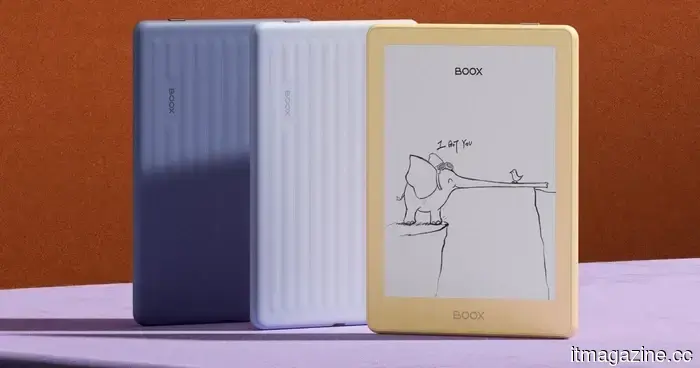 A leading competitor to the Kindle is enhancing its design, and you'll likely be interested in this e-reader.
The new Onyx Boox Poke 7 series introduces a modern and sleek design to the e-reader market, while still competing with Kindle by offering Android flexibility.
A leading competitor to the Kindle is enhancing its design, and you'll likely be interested in this e-reader.
The new Onyx Boox Poke 7 series introduces a modern and sleek design to the e-reader market, while still competing with Kindle by offering Android flexibility.
 Mercedes-Benz builds excitement for the forthcoming AMG.EA, positioning it as an electric vehicle worth the wait.
George Russell stated the power was "very easy" to handle. The engineering team referred to it as the most challenging project in AMG's history. Both statements are accurate.
Mercedes-Benz builds excitement for the forthcoming AMG.EA, positioning it as an electric vehicle worth the wait.
George Russell stated the power was "very easy" to handle. The engineering team referred to it as the most challenging project in AMG's history. Both statements are accurate.
 Intel's turnaround is remarkable, yet it hasn't produced significant visible results.
Intel's stock has surged due to optimism around its foundry ambitions, support from the government, and collaborations with prominent partners. However, the company must demonstrate that its resurgence relies on more than just investor faith.
Intel's turnaround is remarkable, yet it hasn't produced significant visible results.
Intel's stock has surged due to optimism around its foundry ambitions, support from the government, and collaborations with prominent partners. However, the company must demonstrate that its resurgence relies on more than just investor faith.
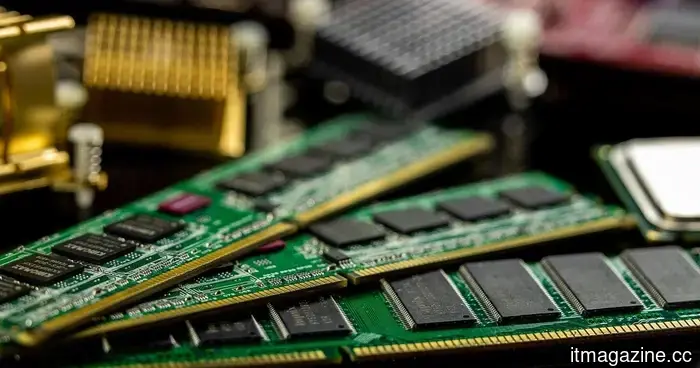 Counterfeit DDR5 RAM modules are now incorporating plastic chips to deceive consumers.
Reports indicate that counterfeit DDR5 RAM sticks, complete with fake labels and even dummy plastic chips, are saturating PC markets as memory prices increase.
Counterfeit DDR5 RAM modules are now incorporating plastic chips to deceive consumers.
Reports indicate that counterfeit DDR5 RAM sticks, complete with fake labels and even dummy plastic chips, are saturating PC markets as memory prices increase.
 Apple may introduce automatic tab groups in Safari for iOS 27 and macOS.
Apple is said to be experimenting with AI-driven automatic tab grouping for Safari in iOS 27 and macOS 27, aiming to assist users in organizing their browsing sessions more effectively.
Apple may introduce automatic tab groups in Safari for iOS 27 and macOS.
Apple is said to be experimenting with AI-driven automatic tab grouping for Safari in iOS 27 and macOS 27, aiming to assist users in organizing their browsing sessions more effectively.
 5 excellent free films to enjoy on New Year’s Day
From light, entertaining films to those that allow you to really immerse yourself, these free movies cater to various moods on New Year’s Day. Each one can be streamed without a subscription, so you can begin watching without any hassle.
5 excellent free films to enjoy on New Year’s Day
From light, entertaining films to those that allow you to really immerse yourself, these free movies cater to various moods on New Year’s Day. Each one can be streamed without a subscription, so you can begin watching without any hassle.
The iPhone Air demonstrates why smaller phones remain the preferable choice.
The iPhone Air is an intelligent solution to the bulkiness of flagship phones, yet using it reminded me that being thin and lightweight still doesn't address the fundamental issue of a standard tall phone.