
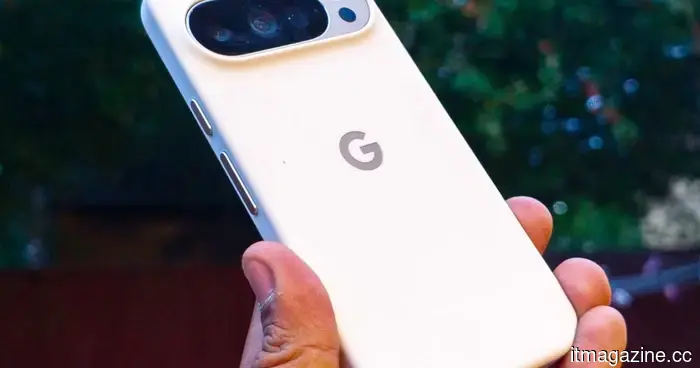
The hopes for a face unlock feature on the Pixel 11 that could rival the iPhone appear to be dashed.
Google's Pixel 11 might not receive the Face ID-style upgrade that fans have been anticipating.
According to a recent leak regarding the Pixel 11 series, Google's anticipated infrared face unlock system, Project Toscana, is unlikely to be included in this lineup as it isn't ready for launch.
This feature was expected to position upcoming Pixel phones as strong competitors to Apple's Face ID. Prior reports indicated that Project Toscana underwent testing on both Pixel devices and Chromebooks, boasting Face ID-like speed and enhanced low-light capabilities. However, the latest leak implies that Pixel users may have to wait until after the 2026 models for this enhancement.
Is Google postponing its Face ID competitor again?
Current information from the Pixel 11 leak suggests so. Project Toscana is now seen as improbable for the Pixel 11 series, despite Google reportedly testing the system for several months.
The technology was characterized as akin to Apple's face unlock feature, utilizing hybrid near-infrared sensors and possibly under-display infrared components. It was designed to enhance speed, security, and low-light unlocking, where Apple’s Face ID currently excels.
Google has previously attempted a comprehensive face unlock feature on its Pixel phones. The Pixel 4 series included specialized hardware, such as Soli radar, which detected user intent to reach for the device and initiated face authentication before the screen fully activated. Google claimed this system functioned effectively in virtually any orientation and was applicable for secure payments and signing into apps.
However, the feature faced challenges shortly after its release. Users discovered that the Pixel 4 could unlock even if the user’s eyes were shut, raising security alarms. Google subsequently introduced an update enforcing an “eyes open” requirement but stepped back from dedicated 3D face unlock hardware following the Pixel 4 series.
Why does this news disappoint Pixel enthusiasts?
Newer Pixel models brought back face unlock in a more constrained form. Project Toscana seemed to be Google’s opportunity to bridge that gap and introduce a hardware-supported face unlock system in future Pixels.
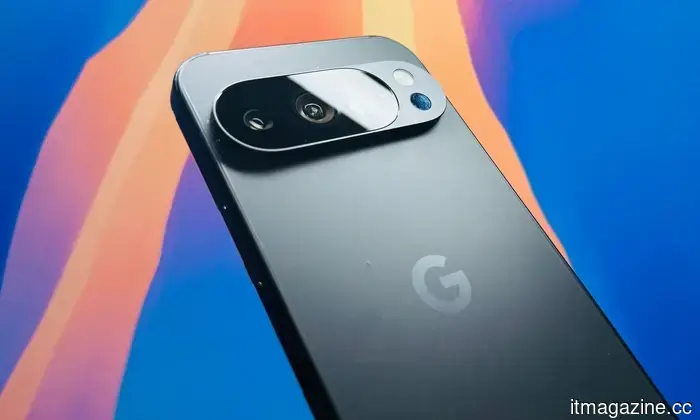
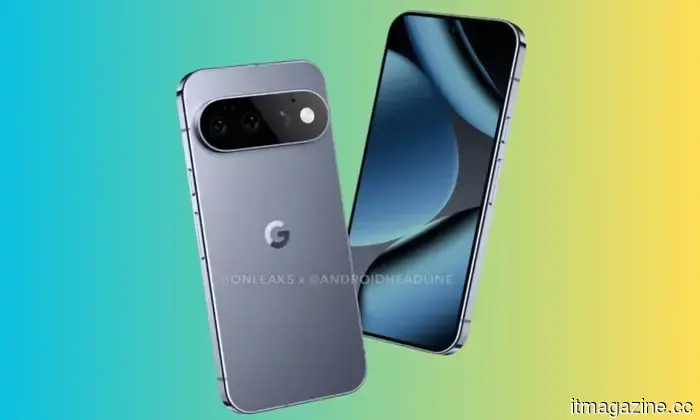
The same Pixel 11 leak does indicate various hardware updates. The series is expected to feature the Tensor G6 chip, new camera systems, brighter OLED displays, a MediaTek M90 modem, and an RGB LED array in the camera bar for Pro models. There are also claims that the thermometer might be eliminated from the Pixel 11 Pro, Pixel 11 Pro XL, and Pixel 11 Pro Fold.
While the delay is disappointing, a rushed release would be worse. Face unlock is not simply a convenience feature; it is integral to payments, banking applications, and device security. If Project Toscana requires additional time, it’s preferable that it be properly implemented in the next Pixel generation rather than launched in a half-baked state. For privacy and security, it should only be released when functioning optimally and appearing robust.




Other articles
 5 excellent Netflix series to enjoy on New Year’s Day and afterwards
Whether you're looking for something casual that continues to play or a series you can immerse yourself in, these five selections offer both, presenting choices that are simple to begin and enjoyable enough to follow throughout the day.
5 excellent Netflix series to enjoy on New Year’s Day and afterwards
Whether you're looking for something casual that continues to play or a series you can immerse yourself in, these five selections offer both, presenting choices that are simple to begin and enjoyable enough to follow throughout the day.
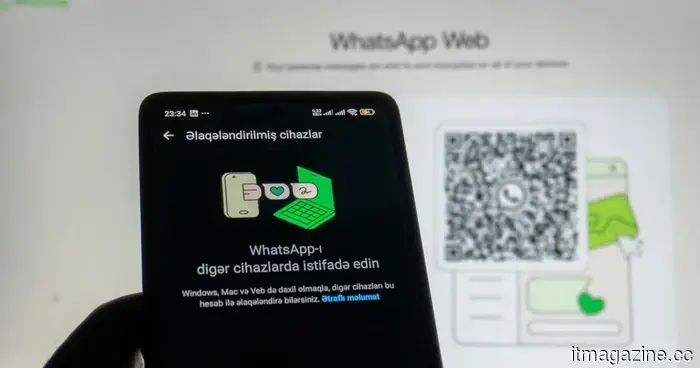 How to utilize WhatsApp Web
WhatsApp is a widely used messaging and calling application, and it can also be accessed through your web browser. Here’s how you can use it on a webpage.
How to utilize WhatsApp Web
WhatsApp is a widely used messaging and calling application, and it can also be accessed through your web browser. Here’s how you can use it on a webpage.
 Harvard has introduced an open-source wallet that saves biometric information directly on your smartphone rather than on servers.
Harvard's open-source Keyring wallet keeps biometric identity data on your phone rather than on corporate servers, allowing you to confirm your identity online without revealing your personal information.
Harvard has introduced an open-source wallet that saves biometric information directly on your smartphone rather than on servers.
Harvard's open-source Keyring wallet keeps biometric identity data on your phone rather than on corporate servers, allowing you to confirm your identity online without revealing your personal information.
 Researchers have discovered a concealed galaxy within the Milky Way, which they have named Loki.
A recent study indicates that the Milky Way absorbed an ancient dwarf galaxy billions of years ago, and its stellar remnants may still be integrated within our galaxy.
Researchers have discovered a concealed galaxy within the Milky Way, which they have named Loki.
A recent study indicates that the Milky Way absorbed an ancient dwarf galaxy billions of years ago, and its stellar remnants may still be integrated within our galaxy.
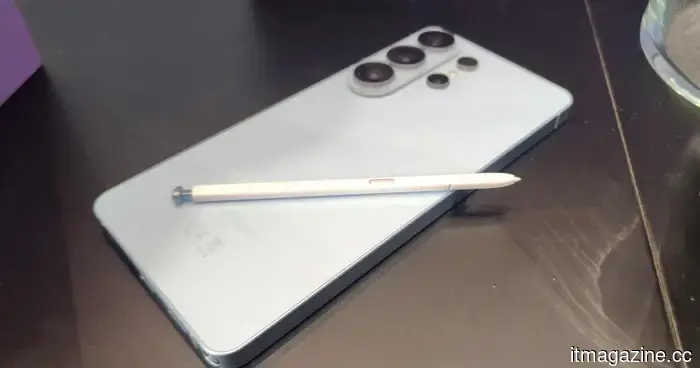 Samsung's upcoming Ultra smartphone may feature a large and adjustable main camera to surpass the iPhone 18 Pro.
Samsung's upcoming Ultra phone may feature a 200MP variable aperture camera, intensifying the competition for Apple as the iPhone 18 Pro gears up for significant enhancements in its camera and AI photography capabilities.
Samsung's upcoming Ultra smartphone may feature a large and adjustable main camera to surpass the iPhone 18 Pro.
Samsung's upcoming Ultra phone may feature a 200MP variable aperture camera, intensifying the competition for Apple as the iPhone 18 Pro gears up for significant enhancements in its camera and AI photography capabilities.
 OpenAI may introduce its initial AI agent smartphone in 2027.
OpenAI might be working on an AI-centric smartphone aimed for release in 2027, concentrating on on-device intelligence, advanced processors, and next-generation memory to facilitate more intelligent and autonomous user interactions.
OpenAI may introduce its initial AI agent smartphone in 2027.
OpenAI might be working on an AI-centric smartphone aimed for release in 2027, concentrating on on-device intelligence, advanced processors, and next-generation memory to facilitate more intelligent and autonomous user interactions.
The hopes for a face unlock feature on the Pixel 11 that could rival the iPhone appear to be dashed.
Google's rumored competitor to Face ID might not make it into the Pixel 11 series, causing Pixel enthusiasts to wait even longer for the secure, hardware-supported face unlock feature they've desired since the Pixel 4.