
Harvard has introduced an open-source wallet that saves biometric information directly on your smartphone rather than on servers.
New Keyring wallet may prevent companies from profiting from your personal identity data
Every time you create a new online account, you're providing personal information to a server that you will never manage. Considering that an average individual can have hundreds of accounts across various services, this accumulates a substantial amount of data stored in corporate databases.
Researchers from Harvard’s Applied Social Media Lab assert that this structure jeopardizes your privacy and heightens your susceptibility to identity theft. Their proposed solution is Keyring, an open-source identity wallet that keeps your biometric data on your phone instead.
How does Keyring function?
Consider it a privacy-oriented digital ID. Instead of revealing all your personal information to every platform you interact with, Keyring enables you to share only the information that is absolutely necessary.
Services like Tinder have begun to explore biometric identity verification to confirm that users are indeed real people, highlighting the significant identity issues prevalent across online platforms.
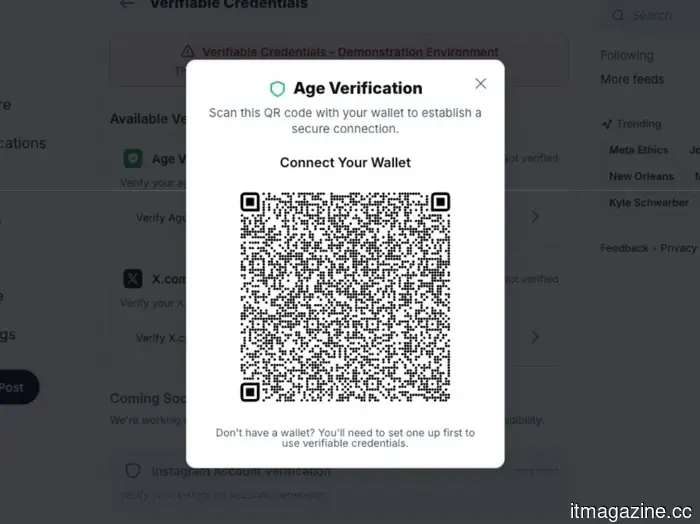
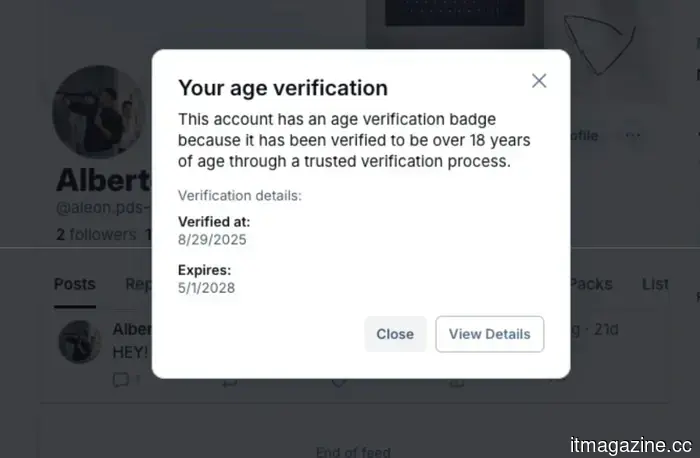
For instance, if you need to confirm that you’re of age, Keyring will validate this without disclosing your exact birthdate. Or if you need to verify an email account, Keyring can manage that without revealing your username.
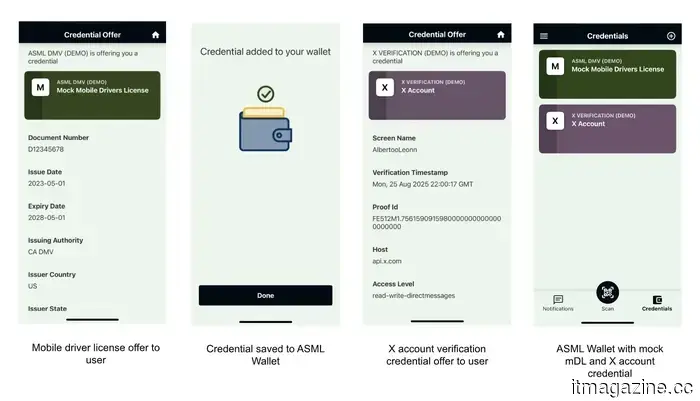
You authenticate using biometric data such as a fingerprint or facial recognition, which remains on your device. Additionally, you can include verifiable credentials like a digital driver’s license or proof of employment.
The wallet was developed in collaboration with the Linux Foundation’s Decentralized Trust Graph Working Group and is currently being showcased on Bluesky.
Keyring also allows two individuals to authenticate an in-person connection without going through a platform like LinkedIn. Each verified connection contributes to a decentralized trust graph, a network where no central database stores your identity information, yet everyone in your network can confirm each other's credentials.
What lies ahead for the Keyring wallet?
The primary challenge is not technical. Institutions, governments, and corporations must issue and recognize verified credentials for Keyring to operate on a larger scale.
Currently, these entities have little motivation to engage because they profit from controlling and monetizing your data. Researchers suggest that a grassroots movement advocating for greater data autonomy may be the most pragmatic approach going forward.
Harvard is also actively searching for collaborators and testing partners to help determine the future direction of the project.




Other articles
 5 fantastic Netflix series to enjoy on New Year’s Day and afterwards.
Whether you're looking for something light that continues to play or a show you can immerse yourself in, these five selections offer both, presenting choices that are simple to begin and rewarding to watch throughout the day.
5 fantastic Netflix series to enjoy on New Year’s Day and afterwards.
Whether you're looking for something light that continues to play or a show you can immerse yourself in, these five selections offer both, presenting choices that are simple to begin and rewarding to watch throughout the day.
 Research reveals that online advertisements are disclosing more about your personal life than you expected.
Recent studies indicate that the advertisements you encounter online contain sufficient information for AI to create a comprehensive personal profile, even without any clicks or data sharing on your part.
Research reveals that online advertisements are disclosing more about your personal life than you expected.
Recent studies indicate that the advertisements you encounter online contain sufficient information for AI to create a comprehensive personal profile, even without any clicks or data sharing on your part.
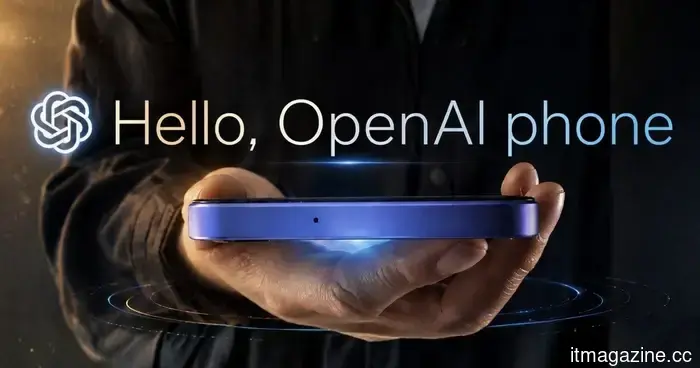 OpenAI may introduce its initial AI agent smartphone in 2027.
OpenAI might be working on an AI-centric smartphone aimed for release in 2027, concentrating on on-device intelligence, advanced processors, and next-generation memory to facilitate more intelligent and autonomous user interactions.
OpenAI may introduce its initial AI agent smartphone in 2027.
OpenAI might be working on an AI-centric smartphone aimed for release in 2027, concentrating on on-device intelligence, advanced processors, and next-generation memory to facilitate more intelligent and autonomous user interactions.
 5 excellent Netflix series to enjoy on New Year’s Day and afterwards
Whether you're looking for something casual that continues to play or a series you can immerse yourself in, these five selections offer both, presenting choices that are simple to begin and enjoyable enough to follow throughout the day.
5 excellent Netflix series to enjoy on New Year’s Day and afterwards
Whether you're looking for something casual that continues to play or a series you can immerse yourself in, these five selections offer both, presenting choices that are simple to begin and enjoyable enough to follow throughout the day.
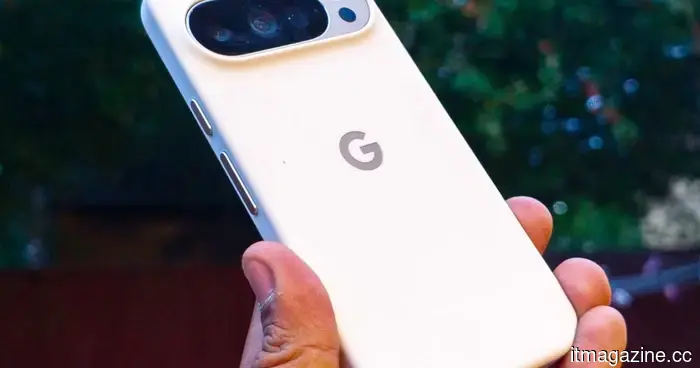 The hopes for a face unlock feature on the Pixel 11 that could rival the iPhone appear to be dashed.
Google's rumored competitor to Face ID might not make it into the Pixel 11 series, causing Pixel enthusiasts to wait even longer for the secure, hardware-supported face unlock feature they've desired since the Pixel 4.
The hopes for a face unlock feature on the Pixel 11 that could rival the iPhone appear to be dashed.
Google's rumored competitor to Face ID might not make it into the Pixel 11 series, causing Pixel enthusiasts to wait even longer for the secure, hardware-supported face unlock feature they've desired since the Pixel 4.
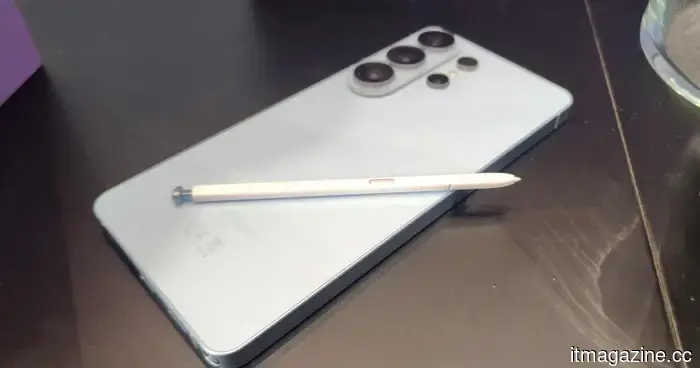 Samsung's upcoming Ultra smartphone may feature a large and adjustable main camera to surpass the iPhone 18 Pro.
Samsung's upcoming Ultra phone may feature a 200MP variable aperture camera, intensifying the competition for Apple as the iPhone 18 Pro gears up for significant enhancements in its camera and AI photography capabilities.
Samsung's upcoming Ultra smartphone may feature a large and adjustable main camera to surpass the iPhone 18 Pro.
Samsung's upcoming Ultra phone may feature a 200MP variable aperture camera, intensifying the competition for Apple as the iPhone 18 Pro gears up for significant enhancements in its camera and AI photography capabilities.
Harvard has introduced an open-source wallet that saves biometric information directly on your smartphone rather than on servers.
Harvard's open-source Keyring wallet keeps biometric identity data on your phone rather than on corporate servers, allowing you to confirm your identity online without revealing your personal information.