
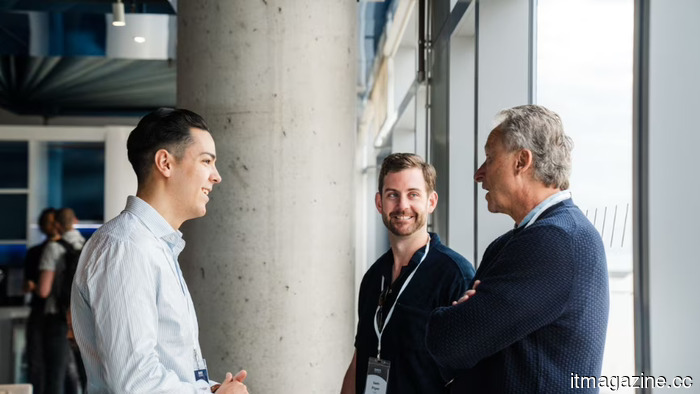
Where technology leaders prefer to gather now
For a long time, technology events were centered around size. The larger the audience, the greater the perception of success. Attendance figures became a substitute for impact, leading to the expansion of festivals year after year as it was what the industry anticipated. This model no longer aligns with how tech leaders operate today.
In recent years, I have engaged in discussions with founders, executives, and key operators within their organizations. As a community builder, I frequently converse with them before they decide to attend events. Their inquiries are straightforward. They wish to know who else will be present, how discussions will be organized, and whether the setting promotes genuine exchange. Rarely do they inquire about the expected attendance.
This is a significant indicator. Business leaders do not prioritize visibility; they already possess it. They seek environments where time translates into insights, clarity, and decisive action.
As the CEO of Tekpon AI Summit, I have had a close view of how decision-makers prefer to engage today. I've observed the dynamics on large stages, as well as the interactions that occur when ten relevant individuals gather around a table without an audience or a formal agenda – solely for honest dialogue.
The difference in results is striking. In smaller groups, individuals communicate freely, sharing challenges they wouldn’t normally disclose publicly. They explore potential partnerships informally and make quicker decisions thanks to the trust that develops naturally when everyone present deserves to be in the discussion.
In larger venues, the atmosphere shifts. Conversations remain guarded, narratives are refined, and crucial questions are often deferred, typically to a later time that often gets lost in hectic schedules.
Large conferences still serve a purpose. They bring fresh voices into the ecosystem, generate excitement, and provide exposure for early-stage founders. This contribution continues to hold value.
However, these events are no longer where significant business interactions occur. The work that truly influences companies happens in environments where focus is safeguarded, and trust develops swiftly. Here, individuals can engage without the pressure to perform, share common context, and ensure that what is discussed remains confidential. These conditions are challenging to achieve on a large scale and are natural in smaller, curated settings.
This shift has already influenced how senior decision-makers allocate their time. Many are scaling back their attendance at large gatherings, opting instead for private discussions, intimate dinners, and carefully curated meetups where every attendee has a legitimate reason to be there. They aren’t dismissing conferences altogether but are turning away from formats that do not acknowledge their attention.
The industry is slow to adapt to this change. Event strategies continue to focus on increasing attendance, sponsorship deals, and social media engagement, while the individuals shaping companies subtly alter their habits, voting with their schedules.
This divide will likely continue to grow. Events that prioritize volume will find it challenging to attract senior leaders. Once this reality is recognized, it’s difficult to overlook. The criteria for selecting meeting venues have evolved – not loudly or openly, but consistently.
Some individuals will still pursue scale; others will continue organizing large festivals and expansive platforms. There is nothing inherently wrong with this approach. However, those who are influential in shaping companies are already making alternative choices. They favor environments where conversations progress rapidly, trust is easily established, and respect for time is a given.
That is where tech leaders now prefer to convene.
Other articles
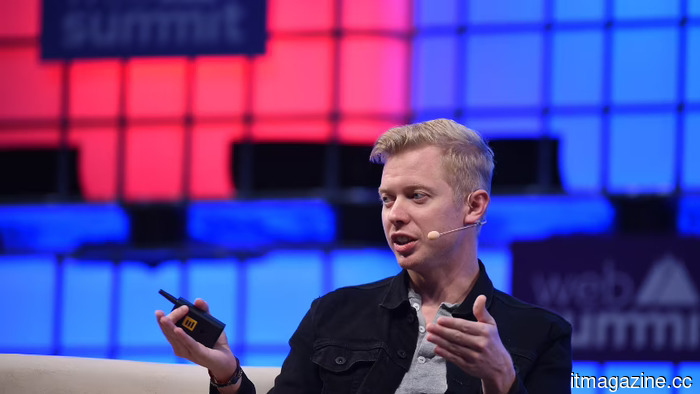 Reddit's Q1 revenue soars by 69% to reach $663 million, prompting a 9% increase in its shares.
Reddit announced that its revenue for the first quarter of 2026 reached $663 million, marking a 69% increase year-over-year. This figure exceeded expectations in all categories and led to an upward revision of its Q2 guidance beyond consensus estimates.
Reddit's Q1 revenue soars by 69% to reach $663 million, prompting a 9% increase in its shares.
Reddit announced that its revenue for the first quarter of 2026 reached $663 million, marking a 69% increase year-over-year. This figure exceeded expectations in all categories and led to an upward revision of its Q2 guidance beyond consensus estimates.
 The 6,000 mAh battery in the Razr Fold should be a concern for Samsung and Google: Here’s the reason.
Samsung and Google have dominated the U.S. foldable market for years, but have subtly overlooked its most significant drawback. Motorola has now entered the scene and made that flaw difficult to overlook.
The 6,000 mAh battery in the Razr Fold should be a concern for Samsung and Google: Here’s the reason.
Samsung and Google have dominated the U.S. foldable market for years, but have subtly overlooked its most significant drawback. Motorola has now entered the scene and made that flaw difficult to overlook.
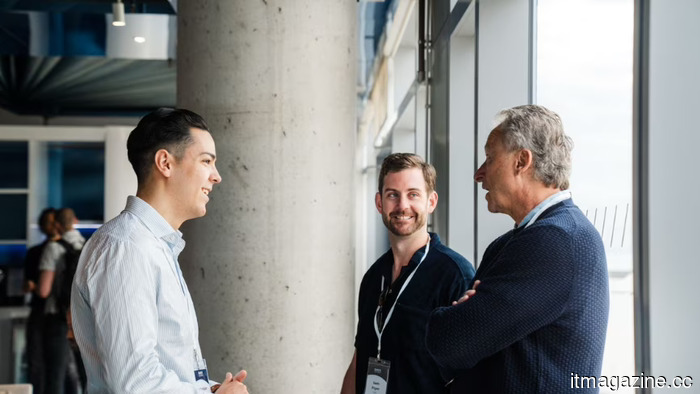 The locations where technology leaders prefer to gather now.
Technology executives are dedicating less time to large conferences and more to intimate, private meetings where important decisions are made.
The locations where technology leaders prefer to gather now.
Technology executives are dedicating less time to large conferences and more to intimate, private meetings where important decisions are made.
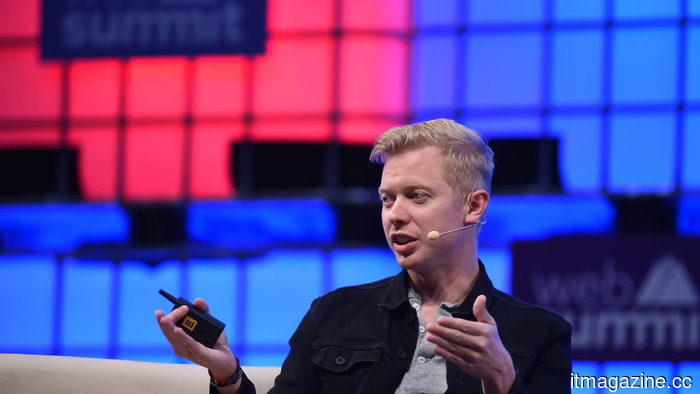 Reddit's revenue for Q1 increases by 69% to $663 million, and its shares rise by 9%.
Reddit announced that its revenue for the first quarter of 2026 reached $663 million, reflecting a 69% year-over-year increase. The results exceeded expectations in all areas, and the company has elevated its guidance for the second quarter above consensus.
Reddit's revenue for Q1 increases by 69% to $663 million, and its shares rise by 9%.
Reddit announced that its revenue for the first quarter of 2026 reached $663 million, reflecting a 69% year-over-year increase. The results exceeded expectations in all areas, and the company has elevated its guidance for the second quarter above consensus.
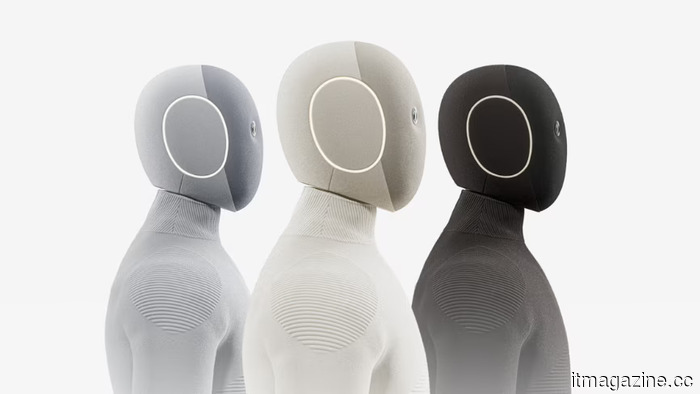 1X has begun delivering NEO humanoid robots to households in the US.
Backed by OpenAI, 1X has launched a factory in Hayward, California, with plans to manufacture 10,000 NEO home humanoid robots in the first year, increasing production to over 100,000 by the close of 2027.
1X has begun delivering NEO humanoid robots to households in the US.
Backed by OpenAI, 1X has launched a factory in Hayward, California, with plans to manufacture 10,000 NEO home humanoid robots in the first year, increasing production to over 100,000 by the close of 2027.
Where technology leaders prefer to gather now
Tech executives are dedicating less time to large conferences and more time in intimate, private settings where actual decisions are made.