
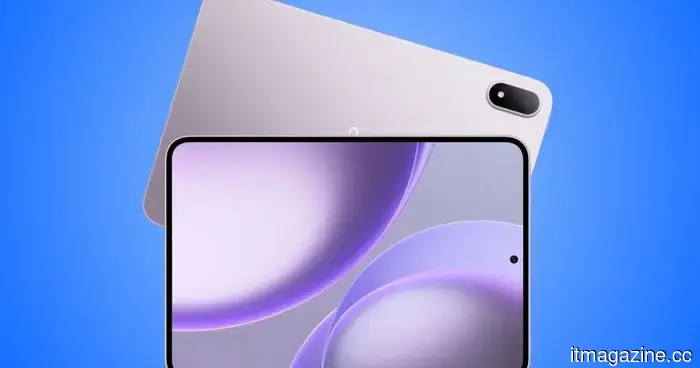
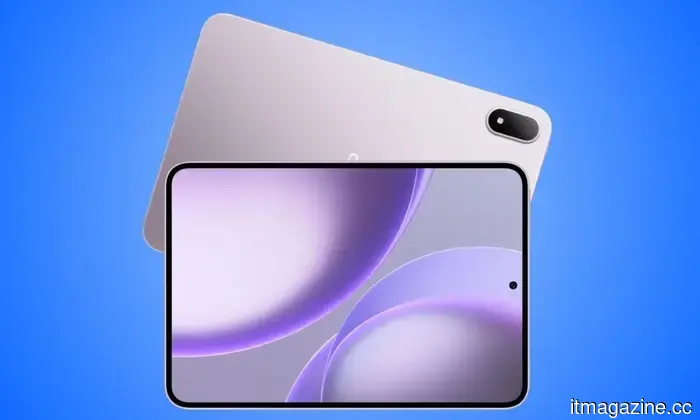
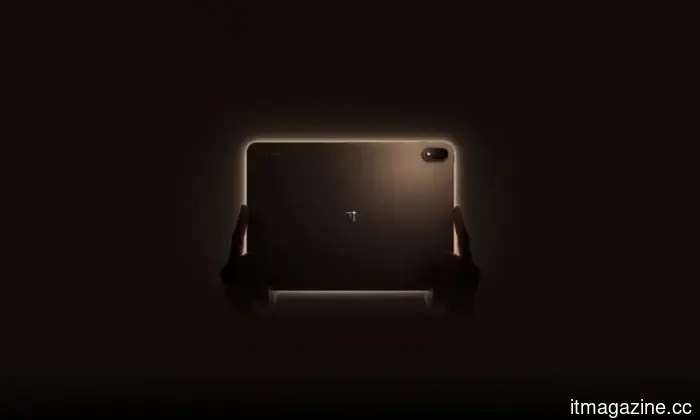
Android has finally introduced a worthy competitor to the iPad mini, and it looks impressive.
The OPPO Pad Mini not only matches the iPad mini in specifications but outperforms it in terms of thickness, battery life, charging speed, and cost, while equaling it in the one factor that truly counts.
For years, Apple has dominated the compact premium tablet market, but a new player has emerged that operates on Android and challenges the iPad mini's position.
Launched alongside the Find X9 Ultra, the Oppo Pad Mini features an 8.8-inch 2.5K OLED display (2520 x 1680 pixels) with a 3:2 aspect ratio. This nearly square aspect ratio is what makes the iPad mini perfect for reading, taking notes, consuming content, and engaging in various productive tasks.
What makes the Oppo Pad Mini a worthy rival to the iPad mini?
The tablet has impressively thin bezels measuring just 2.99 mm, and its screen can achieve a peak brightness of up to 1,600 nits, supporting a variable refresh rate between 60 and 144 Hz. Additionally, there’s an optional matte version that offers a paper-like feel, something the iPad mini lacks.
Instead of Apple's A17 Pro chip, the Oppo Pad Mini is equipped with a Snapdragon 8 Gen 5 (3nm) processor, coupled with up to 12GB of LPDDR5X RAM and 512GB of UFS 4.1 storage, which I believe is a strong combination.
For those interested, the Snapdragon chip excels in multi-core performance while offering single-core performance comparable to the A17 Pro. Moreover, the type of RAM and storage should enhance the responsiveness of the Oppo tablet.
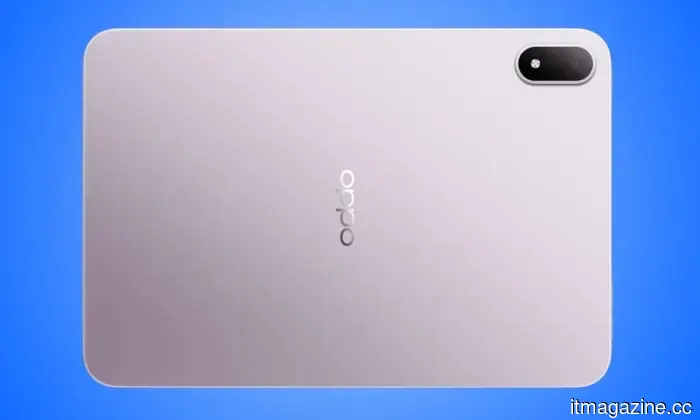
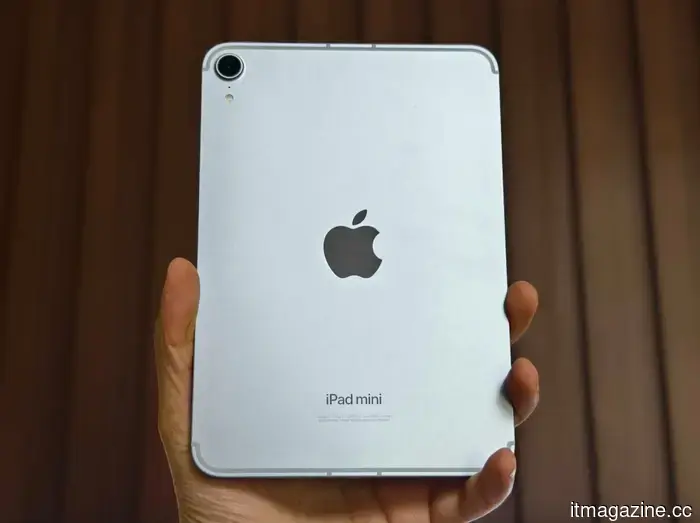
Regarding portability and battery life, the Oppo Pad Mini measures at just 5.39mm thick and weighs 279 grams, making it highly portable and easily fitting into larger pockets or small bags. In comparison, the iPad mini weighs 293 grams and is 6.3mm thick.
The tablet is powered by an 8,000 mAh battery that supports 67W wired charging, allowing it to fully charge in about an hour—a feature absent in the iPad mini. The starting price is CNY 3,199, approximately $470, for the base model with 8GB of RAM and 256GB of storage, increasing to around $590 for the version with 12GB of RAM and 512GB of storage.
Although the Oppo Pad Mini will be available for purchase starting April 24, 2026, it won’t be released in the United States for the time being. I believe Oppo's entry into the premium compact tablet market indicates that Android manufacturers are taking this segment seriously.
Currently, the Oppo Pad Mini doesn't serve as a direct competitor to the iPad mini mainly because it isn't available in the U.S. However, once it becomes available in the region, it could potentially capture a significant portion of the iPad mini’s market share, offering Android users a high-quality experience in a smaller form factor at a more accessible price.


Other articles
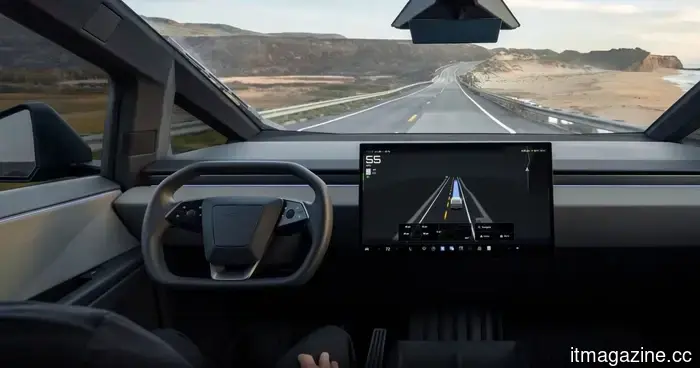 Tesla has finally revealed the reality of full self-driving capabilities in older vehicles, offering a glimmer of hope in challenging times.
Elon Musk confirmed during Tesla's Q2 2026 earnings call that vehicles equipped with Hardware 3 require physical upgrades, and Tesla intends to establish micro-factories to manage the volume of necessary replacements.
Tesla has finally revealed the reality of full self-driving capabilities in older vehicles, offering a glimmer of hope in challenging times.
Elon Musk confirmed during Tesla's Q2 2026 earnings call that vehicles equipped with Hardware 3 require physical upgrades, and Tesla intends to establish micro-factories to manage the volume of necessary replacements.
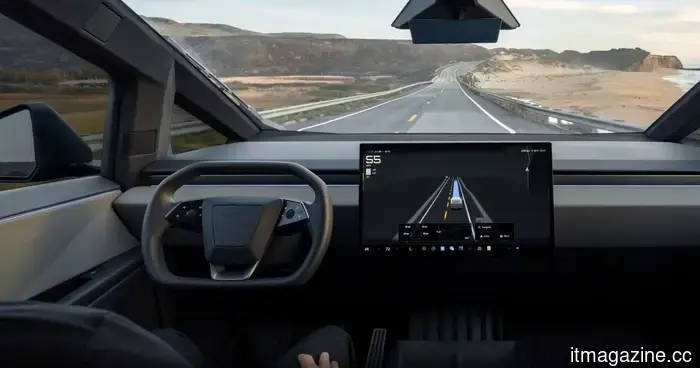 Tesla has finally revealed the reality about full self-driving capabilities in older vehicles, and it brings a glimmer of hope amid uncertainty.
Elon Musk stated during Tesla's Q2 2026 earnings call that vehicles with Hardware 3 require physical upgrades, and Tesla intends to establish micro-factories to manage the necessary scale of replacements.
Tesla has finally revealed the reality about full self-driving capabilities in older vehicles, and it brings a glimmer of hope amid uncertainty.
Elon Musk stated during Tesla's Q2 2026 earnings call that vehicles with Hardware 3 require physical upgrades, and Tesla intends to establish micro-factories to manage the necessary scale of replacements.
 Battery technology is addressing issues that consumers remain indifferent to.
QuickCharge: This Week in EV This article is part of our ongoing series, QuickCharge: This Week in EV, updated less than 8 hours ago. For a considerable period, the electric vehicle sector has been pursuing a goal that seemed straightforward: to make charging as quick as filling up a gasoline vehicle. That was the commitment, […]
Battery technology is addressing issues that consumers remain indifferent to.
QuickCharge: This Week in EV This article is part of our ongoing series, QuickCharge: This Week in EV, updated less than 8 hours ago. For a considerable period, the electric vehicle sector has been pursuing a goal that seemed straightforward: to make charging as quick as filling up a gasoline vehicle. That was the commitment, […]
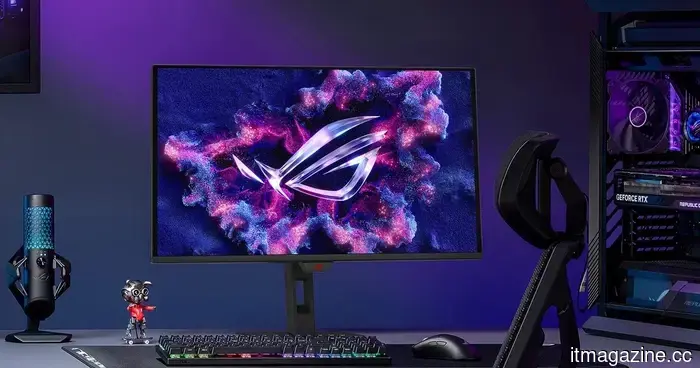 Monitors have evolved beyond just being basic upgrades. Here’s what’s different.
Monitor technology is advancing beyond just basic upgrades. With enhancements in OLED technology, extremely high refresh rates, and the introduction of 6K displays, here's what is genuinely transforming and why it is significant.
Monitors have evolved beyond just being basic upgrades. Here’s what’s different.
Monitor technology is advancing beyond just basic upgrades. With enhancements in OLED technology, extremely high refresh rates, and the introduction of 6K displays, here's what is genuinely transforming and why it is significant.
 Netflix approves a $25 billion share repurchase program following a 10% decline in its stock.
Netflix approved a $25 billion share buyback after a 10% drop in shares following Q1 earnings, which featured a $2.8 billion termination fee related to WBD and disappointing guidance for Q2.
Netflix approves a $25 billion share repurchase program following a 10% decline in its stock.
Netflix approved a $25 billion share buyback after a 10% drop in shares following Q1 earnings, which featured a $2.8 billion termination fee related to WBD and disappointing guidance for Q2.
Android has finally introduced a worthy competitor to the iPad mini, and it looks impressive.
The Oppo Pad Mini enters the market as a competitor to the iPad mini, featuring a 2.5K 144Hz OLED screen, Snapdragon 8 Gen 5 processor, and an 8,000mAh battery with 67W charging capabilities.