
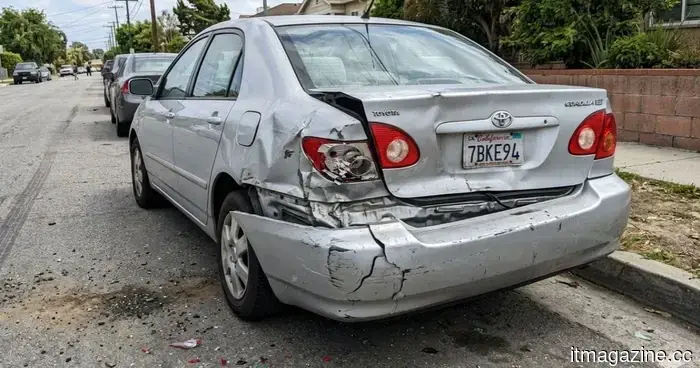
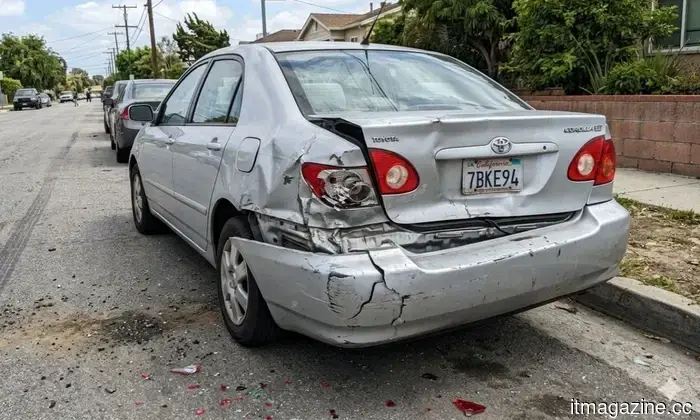
AI-generated images are now being misused to create false evidence for automobile insurance fraud.
Insurers are encountering fraudulent crash photos and altered claim documents in submissions, prompting fraud detection efforts to enter a more challenging phase.
AI-generated images of car damage are becoming a significant insurance fraud concern, with Admiral reporting a notable increase in cases in 2025 attributed to manipulated visuals and fabricated documentation. The issue extends beyond just questionable paperwork; photos of damaged vehicles can now be modified to exaggerate loss or support duplicate claims.
A BBC report highlighted one instance where a filing used an AI-altered license plate on a damaged Land Rover, while a similar image with a different plate emerged in another case. Another photo exaggerated rear-end damage. Admiral stated that its fraud team caught these claims and denied them prior to any payouts.
The insurer noted a 71% increase in fraud cases in 2025 compared to the previous year, partially linked to more accessible AI tools that can edit images and generate documents that do not exist. This trend has clear implications for consumers, as the costs associated with fraud do not only affect the perpetrators.
How the fabricated evidence operates
Instead of relying solely on forged documentation or fabricated narratives, fraudsters can now submit convincing images as supposed evidence. In the previously mentioned examples, AI was utilized to alter vehicle images to exaggerate damage or repurpose the same incident into different claims.
This shift changes the role of claims teams; they now have to verify both the paperwork and the authenticity of the images submitted. Admiral mentioned that its fraud detection tools are improving, and the industry is sharing strategies as such fraudulent practices become increasingly significant.
Why premiums are impacted
Fraud contributes to systemic costs, leading insurers to suggest that these extra expenses can result in higher premiums for consumers. This makes AI-generated image fraud more than just an isolated crime incident. Even policyholders with legitimate claims may experience repercussions through increased costs and heightened scrutiny during claims evaluation.
Some cases involve opportunistic efforts to inflate genuine losses, while others consist of entirely fabricated documents designed to bolster false claims from the outset. AI facilitates both approaches on a larger scale.
The forthcoming response
The immediate action involves enhancing detection capabilities, but the implications for customers are evident. Admiral indicated that fabricated or exaggerated evidence could lead to claim denials, policy cancellations, and, in severe cases, criminal charges. As the use of AI-generated vehicle evidence proliferates, more rigorous examination of crash images is likely to become a standard aspect of claims processing.
Although Google has initiated measures to watermark AI-generated images, this practice is not yet universal across the industry.





Other articles
 Canva now connects with your work applications, allowing you to accomplish more without having to exit the platform.
Canva is broadening its scope beyond design by introducing new integrations with tools such as Slack, Gmail, and Google Drive, enabling users to gather context from various applications for their projects.
Canva now connects with your work applications, allowing you to accomplish more without having to exit the platform.
Canva is broadening its scope beyond design by introducing new integrations with tools such as Slack, Gmail, and Google Drive, enabling users to gather context from various applications for their projects.
 Trusti investigates human-centered suggestions on digital platforms.
Trusti presents a community-focused method for recommendations, enabling small businesses and users to foster trust through collective experiences and online platforms.
Trusti investigates human-centered suggestions on digital platforms.
Trusti presents a community-focused method for recommendations, enabling small businesses and users to foster trust through collective experiences and online platforms.
 How EverCognitive assists organizations in transforming AI aspirations into tangible business results.
Elizabeta Gjorgievska Joshevski describes how EverCognitive assists companies in navigating AI transformation through strategic planning, preparedness, and quantifiable business results.
How EverCognitive assists organizations in transforming AI aspirations into tangible business results.
Elizabeta Gjorgievska Joshevski describes how EverCognitive assists companies in navigating AI transformation through strategic planning, preparedness, and quantifiable business results.
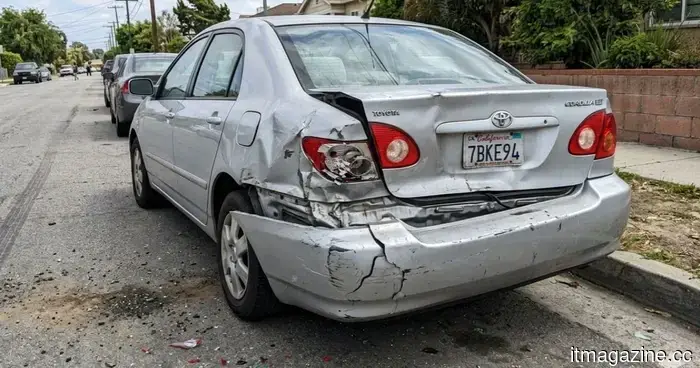 AI-generated images are now being misused to create false evidence for auto insurance fraud.
AI-edited images of vehicles are emerging as a new tool for insurance fraud, with Admiral noting an increase in cases associated with altered crash photos, duplicate claims, and forged documentation that can elevate expenses throughout the entire system.
AI-generated images are now being misused to create false evidence for auto insurance fraud.
AI-edited images of vehicles are emerging as a new tool for insurance fraud, with Admiral noting an increase in cases associated with altered crash photos, duplicate claims, and forged documentation that can elevate expenses throughout the entire system.
 Roblox AI assistant acquires autonomous tools for game planning, building, and self-testing.
Roblox enhances its AI assistant by introducing a planning mode, procedural 3D models, and self-correcting agentic loops, along with MCP integration featuring Claude, Cursor, and Codex.
Roblox AI assistant acquires autonomous tools for game planning, building, and self-testing.
Roblox enhances its AI assistant by introducing a planning mode, procedural 3D models, and self-correcting agentic loops, along with MCP integration featuring Claude, Cursor, and Codex.
 How EverCognitive assists organizations in transforming their AI aspirations into tangible business results.
Elizabeta Gjorgievska Joshevski describes how EverCognitive assists organizations in navigating AI transformation through strategic planning, preparedness, and tangible business results.
How EverCognitive assists organizations in transforming their AI aspirations into tangible business results.
Elizabeta Gjorgievska Joshevski describes how EverCognitive assists organizations in navigating AI transformation through strategic planning, preparedness, and tangible business results.
AI-generated images are now being misused to create false evidence for automobile insurance fraud.
Edited vehicle photos created by AI are emerging as a new method of insurance fraud, as Admiral has connected an increase in cases to altered accident images, repeated claims, and falsified claim documentation that can escalate expenses throughout the system.