
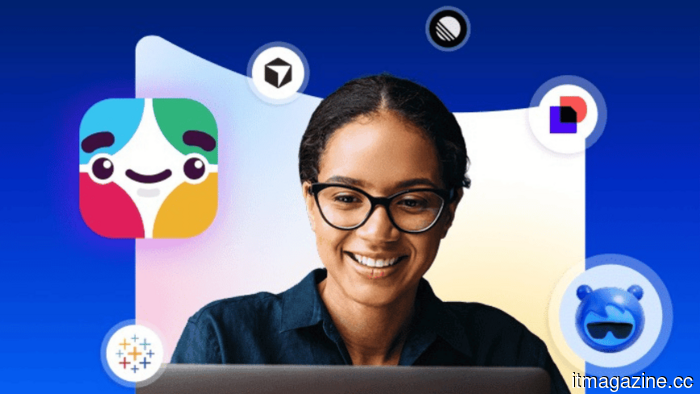
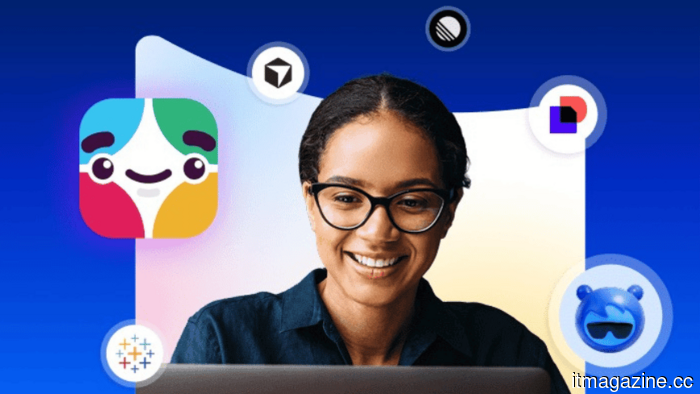
Slack's major AI enhancement transforms Slackbot into a desktop assistant | TNW
In summary: On March 31, 2026, Salesforce introduced over 30 new AI features for Slackbot, marking the most significant update to the platform since its $27.7 billion acquisition in 2021. This upgrade changes Slackbot from a simple conversational assistant to an agentic system capable of transcribing meetings on any video platform, tracking users' desktop activities, performing tasks via third-party tools through the Model Context Protocol, and acting as a lightweight CRM. These features, powered by Anthropic's Claude, are currently available for Business+ and Enterprise+ subscribers and will be released in a limited capacity to free and Pro users starting in April. From summer 2026, Slack will automatically be included with every new Salesforce customer account.
Salesforce has undertaken its most ambitious update to Slack since acquiring it for $27.7 billion four years ago. At an event in San Francisco on March 31, 2026, CEO Marc Benioff announced over 30 AI-driven features for Slackbot, the platform’s integrated assistant, which the company describes as a shift from a messaging tool to what it terms an “agentic operating system.” This serves as a unified interface for users to engage with AI agents, enterprise applications, and each other. This announcement builds upon a January 2026 update that allowed Slackbot to draft emails, schedule meetings, and search inboxes; the March enhancements significantly expand its capabilities.
Details of the 30 features
The key highlight of the update is reusable AI skills. Users can define a specific workflow once, such as “summarise this campaign brief” or “generate a budget plan for this event,” and save it as a skill. Slackbot learns to recognize when such tasks are being requested and offers to run the skill automatically, aggregating necessary information from connected channels, applications, and data sources without user intervention each time. The expectation for AI to automate repetitive cognitive tasks without manual configuration from users has become a standard demand in enterprise software, and reusable skills are Slack’s response to this need.
Meeting intelligence enables Slackbot to listen in on calls via Zoom, Google Meet, or Slack Huddles by accessing a user’s desktop audio through the desktop app. It goes beyond simple transcription, identifying decisions made, assigning tasks to relevant participants, and providing a structured summary automatically after the call ends. The desktop agent enhances Slackbot’s functionality beyond the Slack app, monitoring screen activities and leveraging users' deals, conversations, calendars, and habits to proactively suggest and draft follow-ups. This feature raises significant privacy concerns, as it involves Slack asking users to allow an AI agent continuous visibility into their computer activities.
Additionally, Slack is introducing a native CRM for small businesses, integrated directly into the chat interface. Slackbot scans channels, detects when a deal or new contact is mentioned, and updates those records automatically. According to Salesforce, businesses that exceed the lightweight version can transition to the full Salesforce CRM without needing to rebuild their data. Furthermore, Slackbot now acts as a MCP client, connecting and coordinating with any external service registered as an MCP server through Slack’s manifest. This list currently includes Agentforce (Salesforce’s AI agent platform launched in 2024), Google Workspace, Microsoft 365, Notion, Workday, ServiceNow, and over 6,000 other applications within the Salesforce ecosystem. The momentum toward agent orchestration, where a single interface manages multiple AI systems across various enterprise applications, is significantly shaping the competitive landscape for enterprise software in 2026.
Behind the scenes: Claude, FedRAMP, and Anthropic's contract
All of Slackbot’s new features leverage Anthropic’s Claude. Salesforce has noted that it selected Claude in part because Anthropic was the only AI provider that met FedRAMP Moderate certification requirements when designing the new system, which is essential for selling into regulated sectors such as government, healthcare, and financial services. Anthropic’s growth as an enterprise AI provider has accelerated since that decision, making the Slack partnership one of the most notable implementations of Claude in a major productivity platform. Salesforce reports that Slackbot already has nearly one million weekly active users, a number expected to rise significantly due to the recent pricing and bundling changes.
Leadership changes shedding light on the situation
The March 31 event was led by Marc Benioff, highlighting the importance of the Slack transformation in Salesforce’s current strategy. A noteworthy context is the departure of Denise Dresser, who had been Slack’s CEO since 2023 and a Salesforce veteran for 14 years; she left to become OpenAI’s first chief revenue officer in December 2025. Rob Seaman, the platform's former chief product officer, has stepped in as interim CEO. The fact that the executive responsible for Slack's commercial strategy chose to move to OpenAI, a company whose products pose a major challenge to single-platform AI assistant strategies, is a factor Salesforce has to navigate while rolling out its most ambitious product initiative in years.
The
Other articles
 Restaurants are compelling us to put our phones away, and I have no objections to that.
Restaurants are encouraging customers to put away their phones to foster more significant and distraction-free dining experiences.
Restaurants are compelling us to put our phones away, and I have no objections to that.
Restaurants are encouraging customers to put away their phones to foster more significant and distraction-free dining experiences.
 Doctors developed an app to prevent you from making incorrect assumptions.
Hold off on making any conclusions for now.
Doctors developed an app to prevent you from making incorrect assumptions.
Hold off on making any conclusions for now.
 Restaurants are encouraging us to put our phones away, and I have no objections.
Restaurants are encouraging customers to leave their phones behind, aiming to foster more meaningful and undistracted interactions at the table.
Restaurants are encouraging us to put our phones away, and I have no objections.
Restaurants are encouraging customers to leave their phones behind, aiming to foster more meaningful and undistracted interactions at the table.
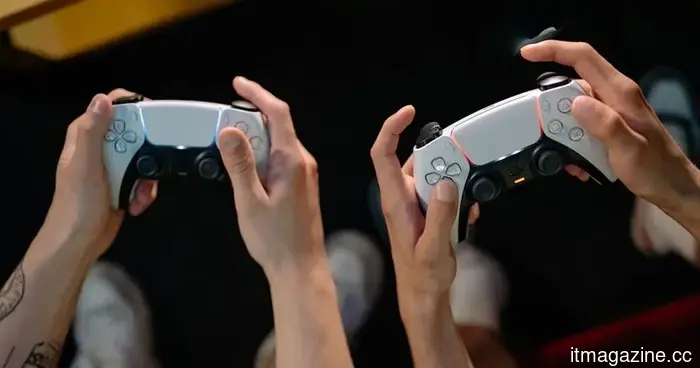 McDonald's created an impressive controller hack to address a common gaming issue.
Attention all gamers!
McDonald's created an impressive controller hack to address a common gaming issue.
Attention all gamers!
 Why are astronauts utilizing outdated technology? A NASA spaceflight expert has the explanations.
NASA clarifies the reasons behind the use of older technology in space missions, emphasizing the importance of reliability, thorough testing, and cost considerations over the adoption of the latest hardware.
Why are astronauts utilizing outdated technology? A NASA spaceflight expert has the explanations.
NASA clarifies the reasons behind the use of older technology in space missions, emphasizing the importance of reliability, thorough testing, and cost considerations over the adoption of the latest hardware.
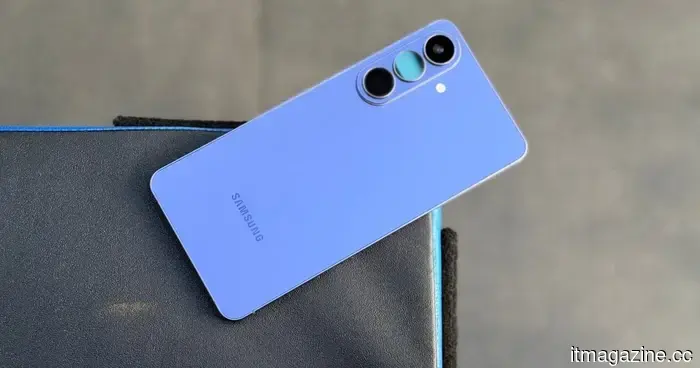 Samsung has decided to abandon its own Messages app.
Samsung plans to terminate its Messages app in July 2026, encouraging users to switch to Google Messages and highlighting a significant change in the Android messaging landscape.
Samsung has decided to abandon its own Messages app.
Samsung plans to terminate its Messages app in July 2026, encouraging users to switch to Google Messages and highlighting a significant change in the Android messaging landscape.
Slack's major AI enhancement transforms Slackbot into a desktop assistant | TNW
On March 31, 2026, Salesforce introduced over 30 new AI features for Slackbot, which encompass meeting intelligence, a desktop agent, a native CRM, and integration of the MCP client through Claude.