
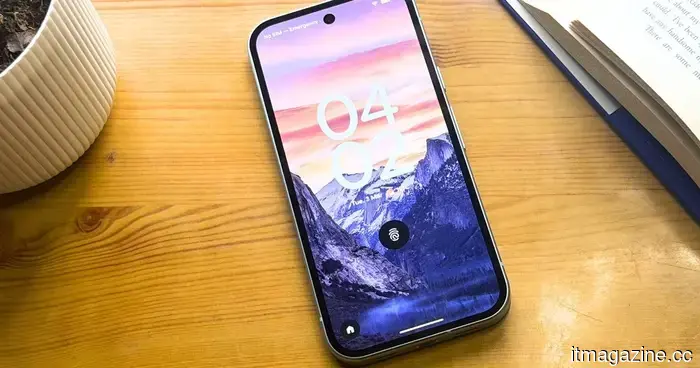
Your Pixel can now enter transit mode automatically without any manual input from you.
Your Pixel is improving in managing your daily commute autonomously. A new Transit mode is now being introduced that modifies essential settings when you're on a train, reducing distractions without any manual effort.
This update is part of Google's latest feature drop for the Pixel and exists alongside modes such as Do Not Disturb and Driving. What distinguishes this mode is its automatic activation. Once set up, Transit mode can engage itself, providing a more hands-free solution for frequent commuters.
It integrates controls for notifications, sound preferences, and connectivity adjustments into a unified system. Additionally, there's a significant shift in approach. Pixel is advancing towards more context-aware functionality that responds to your activities in real time.
How Transit mode operates
Transit mode may seem familiar at first sight, but its automated nature alters its role in everyday usage. After you enable it in the Modes menu, your phone can detect when you are on a train and activate the mode automatically.
You still control the adjustments made. Notification filters allow you to manage which contacts, applications, or alarms come through, while display and alert settings reflect those in Do Not Disturb. There’s also a specific sound option that permits you to choose between full sound, vibration, or silence depending on your preference.
Bluetooth can connect automatically as well, facilitating easier pairing with wireless headphones at the start of your journey. Once set up, everything functions quietly, so you won't have to frequently adjust your phone during the ride.
The setup requirements
To fully benefit from Transit mode, some initial effort is necessary. The setup relies on Google Maps data, which entails confirming your home and work addresses, enabling location history, and granting precise background access for Maps.
This level of access may not be ideal for everyone and adds a bit more complexity compared to other modes. Even after setup, you may not see immediate results. Google mentions it can take two to three weeks for the system to understand your commuting patterns before live updates begin to appear.
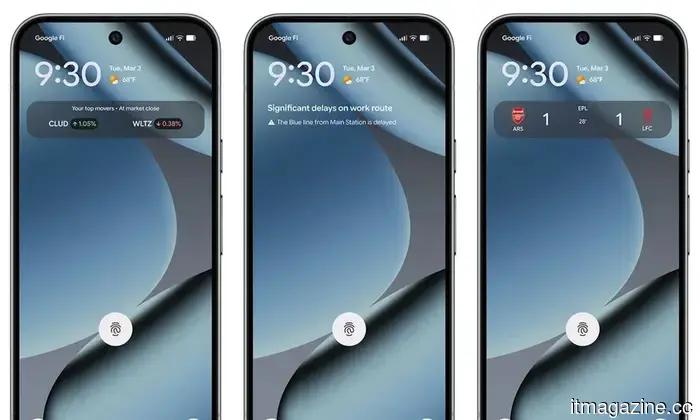
These updates manifest in the At a Glance widget, providing information like departure times, delays, and alternative routes on your lockscreen and homescreen. The wait may feel prolonged, but it highlights the system's reliance on learned behavior rather than fixed rules.
Where it's being rolled out
Transit mode is currently expanding to compatible Pixel devices running the latest software. It is being introduced on phones with Android 16 QPR3 from the March 2026 update, as well as devices on the Android 17 beta.
Availability continues to vary. This rollout includes Pixel 7 and newer models and is expected to cover most regions globally, excluding certain areas in Europe and the UK.
If your device is compatible, it’s advisable to set it up sooner rather than later. Since the system requires time to acclimate to your routine, starting early means it will be prepared to provide useful updates when you truly need them.
Other articles
 The Last of Us Part 3 could be a possibility, and fans believe its creator may have just dropped a hint about it.
A recent Instagram post from
The Last of Us Part 3 could be a possibility, and fans believe its creator may have just dropped a hint about it.
A recent Instagram post from
 myStoria secures $1.6 million in seed funding, with Graphite Ventures leading the round.
myStoria has secured $1.625 million in seed funding to develop a platform that combines AI and human care coordination, focusing on fertility, PCOS, endometriosis, and perimenopause.
myStoria secures $1.6 million in seed funding, with Graphite Ventures leading the round.
myStoria has secured $1.625 million in seed funding to develop a platform that combines AI and human care coordination, focusing on fertility, PCOS, endometriosis, and perimenopause.
 French open-source orchestration platform Kestra secures $25 million in funding.
The open-source orchestration platform Kestra has secured $25 million in a Series A funding round, led by RTP Global. Founded in Paris, the company has increased its enterprise revenue by 25 times.
French open-source orchestration platform Kestra secures $25 million in funding.
The open-source orchestration platform Kestra has secured $25 million in a Series A funding round, led by RTP Global. Founded in Paris, the company has increased its enterprise revenue by 25 times.
 The Hbada X7 introduces AI-powered lumbar support for your office environment.
For anyone who spends six to eight hours sitting, experiencing ergonomic discomfort is unavoidable. If not addressed properly, this discomfort can escalate into persistent pain. I disregarded it and ended up with a painful lesson, resulting in prolonged back and neck strain for several years. It required a lot of […]
The Hbada X7 introduces AI-powered lumbar support for your office environment.
For anyone who spends six to eight hours sitting, experiencing ergonomic discomfort is unavoidable. If not addressed properly, this discomfort can escalate into persistent pain. I disregarded it and ended up with a painful lesson, resulting in prolonged back and neck strain for several years. It required a lot of […]
 Standing Ovation secures €30 million in Series B funding.
Standing Ovation has secured €30 million in a Series B funding round to commercialize its precision-fermentation casein derived from dairy waste.
Standing Ovation secures €30 million in Series B funding.
Standing Ovation has secured €30 million in a Series B funding round to commercialize its precision-fermentation casein derived from dairy waste.
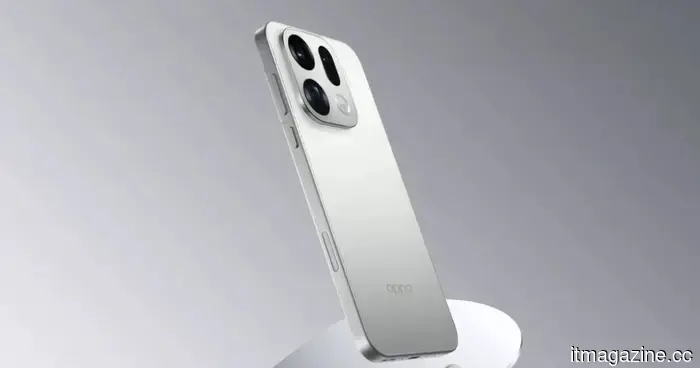 The next version of one of the top camera phones of 2025 now has an official launch date.
Oppo's upcoming Ultra-tier flagship, the Find X9 Ultra, is expected to be launched worldwide at the end of next month, showcasing a remarkable quad-camera setup that includes dual 200MP sensors and a 10x optical zoom lens.
The next version of one of the top camera phones of 2025 now has an official launch date.
Oppo's upcoming Ultra-tier flagship, the Find X9 Ultra, is expected to be launched worldwide at the end of next month, showcasing a remarkable quad-camera setup that includes dual 200MP sensors and a 10x optical zoom lens.
Your Pixel can now enter transit mode automatically without any manual input from you.
Google's new Pixel Transit mode automatically adjusts your phone while you're on train rides, but it requires time and access to data before it can be genuinely beneficial for your daily travel.