
Apple's intelligence presence emerges in China quickly, but is promptly halted.
The accidental disclosure underscores the persistent regulatory challenges facing Apple's AI ambitions.
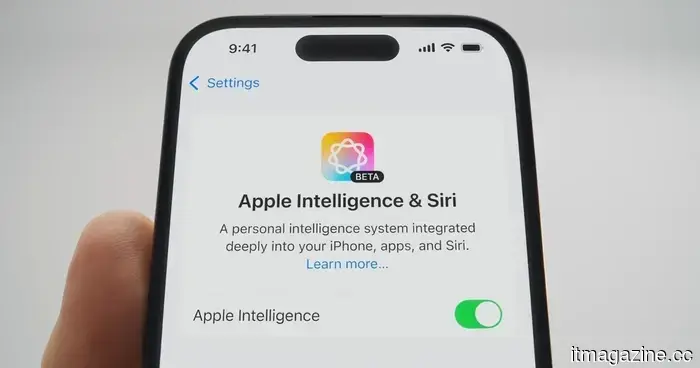
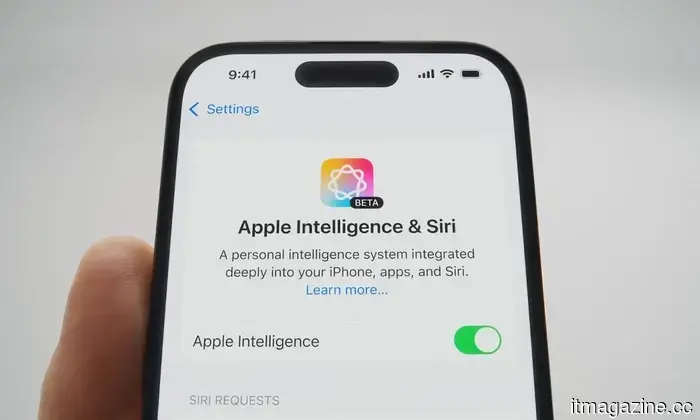
The feature was spotted on iPhones using the iOS 26.5 developer beta, with screenshots showcasing the familiar Apple Intelligence and Siri settings menu already adapted for the local audience. Since Apple did not make any public announcement, its sudden emergence felt more akin to a leak than an official launch.
This feature was short-lived, and its subsequent removal indicates it hadn’t received clearance for release in that area.
This incident points to a larger problem. Apple Intelligence has been in a stalled state in China for several months, and this incident reveals the complexities of its rollout there.
The beta leak reveals a concealed launch plan.
This was not an accidental error. Reports link the feature to the first developer beta, implying that Apple is actively testing Apple Intelligence for China behind the scenes.
Users who installed the beta saw the complete interface in Settings, including the main toggle and Siri integration translated for local users. The design is very similar to versions already present in Western markets, suggesting that the feature is nearing readiness.
Apple intentionally kept it under wraps. There was no promotional activity on its regional App Store, nor any rollout communication associated with the update.
This means the feature's appearance feels like an early glimpse of software intended to remain undisclosed until an official launch opportunity arises.
China remains a significant obstacle.
Apple Intelligence was launched in the US and other regions beginning in late 2024, but China has yet to be included.
The primary challenge revolves around regulation. AI services in China must obtain government approval, which compels Apple to modify its approach and comply with stringent local regulations. It has considered partnerships with local tech firms that already operate approved AI systems.
Baidu and Alibaba have been mentioned in connection with these discussions, although at least one reported agreement became stalled due to privacy issues and technical disagreements. No confirmed partner is associated with the version that briefly emerged.
This absence is hard to overlook. While Apple may be prepared on the software front, regulatory issues continue to impede its progress.
What lies ahead for Apple AI.
Despite having a functioning build in testing, Apple cannot deploy the feature in China just yet.
It still needs a compliant path forward, which likely involves securing a local partner and meeting government requirements before any stable release can be pursued. The timing will depend more on securing approvals than on engineering efforts.
For now, the trajectory is clear. Apple Intelligence is progressing, but it will not make a significant return until regulatory matters are resolved.
Paulo Vargas is an English major turned reporter turned technical writer, with a career that has always circled back to…
iOS 27 and AI could resolve the iPhone’s biggest issue: the cumbersome shortcuts app.
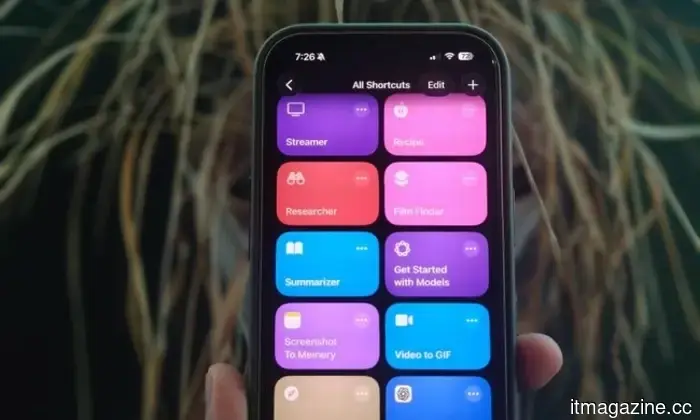
The Shortcuts app on iPhones has never truly felt user-friendly, and that might be an understatement. Despite its powerful capabilities, it often appears clunky and outdated, as if it hasn’t kept pace with the advancements in other areas of iOS. While other aspects of the iPhone have evolved over the years, Shortcuts has largely remained static, and not in a favorable way. Using it can be frustrating, particularly for those unfamiliar with its functions. It’s one of those apps that sounds appealing in theory but feels laborious in practice. This may finally be on the verge of changing. With iOS 27 and Apple’s commitment to AI, there’s a real possibility that Shortcuts could become significantly more intuitive and actually pleasant to use, rather than something users only engage with when absolutely necessary.
iOS 27 and AI might be just what Shortcuts required.
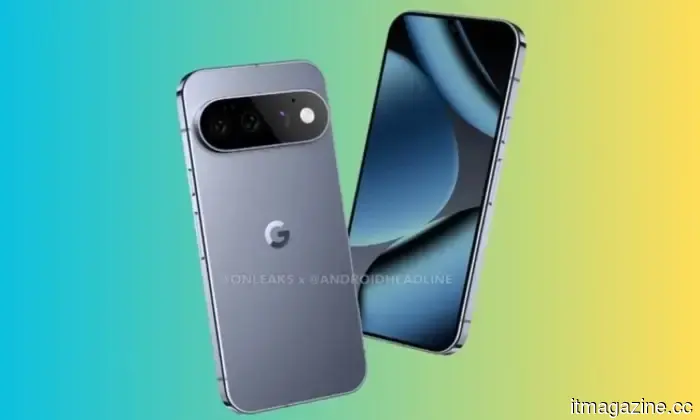
New CAD renders of the Google Pixel 11 Pro have surfaced online, providing an initial glimpse of the company’s upcoming flagship smartphone. The leaks suggest that Google is prioritizing refinement over reinvention, with subtle but meaningful design alterations and anticipated hardware upgrades.
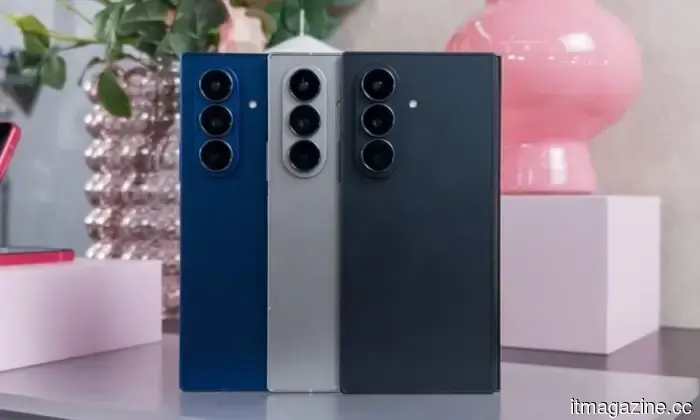
Samsung is poised to increase the prices of its Galaxy foldables in South Korea starting next month.
Samsung has already begun to raise prices for Galaxy smartphones in 2026, with the Galaxy S26 series launching at higher price points in multiple markets as rising component costs impact margins. Now, this same pressure on pricing may extend to devices that have already been available for several months.

Other articles
 Standing Ovation secures €30 million in Series B funding.
Standing Ovation has secured €30 million in a Series B funding round to commercialize its precision-fermentation casein derived from dairy waste.
Standing Ovation secures €30 million in Series B funding.
Standing Ovation has secured €30 million in a Series B funding round to commercialize its precision-fermentation casein derived from dairy waste.
 Your Pixel can now enter transit mode automatically without any manual input.
Google's new Pixel Transit mode automatically adjusts your phone while you're on train rides, but it requires time and access to data before it can be genuinely beneficial for your daily travel.
Your Pixel can now enter transit mode automatically without any manual input.
Google's new Pixel Transit mode automatically adjusts your phone while you're on train rides, but it requires time and access to data before it can be genuinely beneficial for your daily travel.
 Your Pixel can now enter transit mode automatically without any manual input from you.
Google's new Pixel Transit mode automatically adjusts your phone while you're on train rides, but it requires time and access to data before it can be genuinely beneficial for your daily travel.
Your Pixel can now enter transit mode automatically without any manual input from you.
Google's new Pixel Transit mode automatically adjusts your phone while you're on train rides, but it requires time and access to data before it can be genuinely beneficial for your daily travel.
 Standing Ovation secures €30 million in a Series B funding round.
Standing Ovation has secured €30 million in a Series B funding round to advance the commercialization of its precision-fermentation casein derived from dairy waste.
Standing Ovation secures €30 million in a Series B funding round.
Standing Ovation has secured €30 million in a Series B funding round to advance the commercialization of its precision-fermentation casein derived from dairy waste.
 myStoria secures $1.6 million in seed funding, with Graphite Ventures leading the investment.
myStoria has secured $1.625 million in seed funding to develop a platform that combines AI with human care coordination, focusing on fertility, PCOS, endometriosis, and perimenopause.
myStoria secures $1.6 million in seed funding, with Graphite Ventures leading the investment.
myStoria has secured $1.625 million in seed funding to develop a platform that combines AI with human care coordination, focusing on fertility, PCOS, endometriosis, and perimenopause.
 myStoria secures $1.6 million in seed funding, with Graphite Ventures leading the round.
myStoria has secured $1.625 million in seed funding to develop a platform that integrates AI with human care coordination for fertility, PCOS, endometriosis, and perimenopause.
myStoria secures $1.6 million in seed funding, with Graphite Ventures leading the round.
myStoria has secured $1.625 million in seed funding to develop a platform that integrates AI with human care coordination for fertility, PCOS, endometriosis, and perimenopause.
Apple's intelligence presence emerges in China quickly, but is promptly halted.
Apple Intelligence made a short-lived appearance on iPhones in China before disappearing, highlighting how advanced Apple is in software, while also indicating the distance it still needs to cover in terms of regulatory approval.