
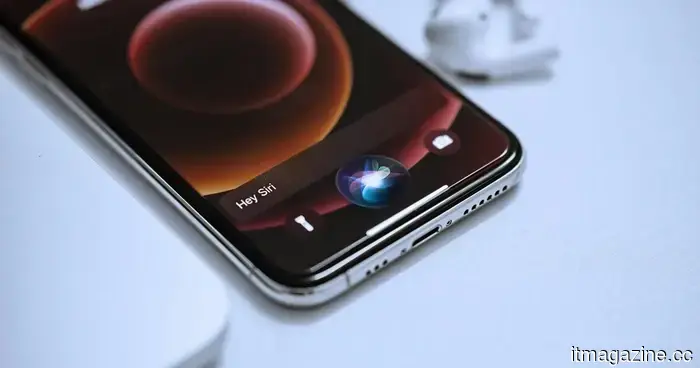
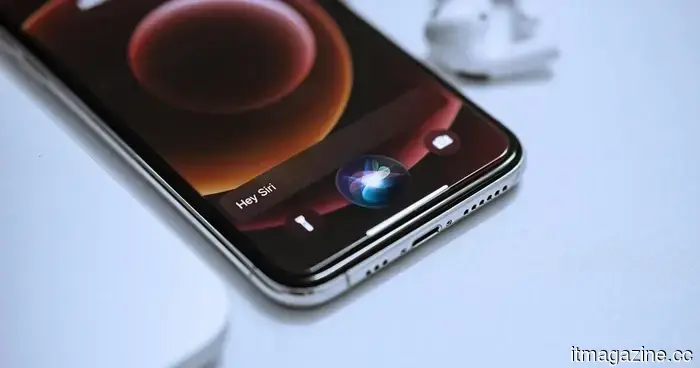
Siri may soon offer support for third-party AI tools in an upcoming significant iOS update.
Apple is reportedly getting ready for one of the most significant changes to Siri in years, with intentions to allow its voice assistant to connect with third-party AI services as part of the forthcoming iOS 27 update. This shift indicates a significant transformation in Apple's artificial intelligence approach, evolving Siri from a closed system into a more extensive AI platform that can work with competing technologies.
A Move Towards An Open AI Ecosystem
A Bloomberg report by Gurman suggests that Apple plans to enable Siri to send user inquiries to external AI assistants beyond its current integration with ChatGPT, potentially including services such as Google's Gemini or Anthropic's Claude.
This change would allow users to select which AI system manages specific requests, effectively turning Siri into a central hub rather than just a standalone assistant. Additionally, Apple is said to be creating tools that facilitate the integration of AI chatbot applications downloaded from the App Store directly into Siri and other elements of its "Apple Intelligence" ecosystem.
This update is anticipated to launch alongside iOS 27, likely unveiled at Apple’s Worldwide Developers Conference (WWDC) later this year.
Reasons Behind Apple’s Decision
This move responds to increasing pressure on Apple to keep up with the rapid advancements in AI. Since its introduction in 2011, Siri has been a key component of Apple’s ecosystem but has had difficulty matching the capabilities of newer AI assistants powered by large language models.
By opening Siri to third-party AI services, Apple is essentially recognizing that it may not be necessary to create the best AI model itself, provided it maintains control over the user interface and platform experience.
This strategy parallels Apple’s broader approach with the App Store, where it offers the ecosystem while allowing external developers to introduce functionality. In this scenario, Siri could serve as the gateway for users to access various AI tools seamlessly.
Implications For Users
For iPhone users, this change could greatly enhance Siri’s capabilities. Instead of relying solely on Apple’s built-in features or a single AI partner, users may be able to utilize different AI systems based on their specific requirements.
For instance, one assistant could manage creative writing tasks, while another might concentrate on search or productivity. This adaptability could lead to more accurate responses, enhanced personalization, and an overall more powerful experience.
It also streamlines access; rather than hopping between multiple apps, users could depend on Siri as a unified interface for engaging with various AI resources.
Impact on the Industry and Competitive Landscape
Apple’s decision could alter the competitive landscape of the AI assistant market. By making its platform more open, the company might inspire greater innovation among AI providers, who will now strive for visibility and engagement within the iOS ecosystem.
At the same time, this strategy sets Apple apart from competitors like Google and Microsoft, which are significantly investing in their own proprietary AI models. Instead of competing directly on the performance of the models, Apple seems to be emphasizing integration, privacy, and user experience.
This approach could also create new revenue streams, as Apple might take a portion of subscriptions or services provided through integrated AI applications.
Looking Ahead
The changes are likely to be introduced with iOS 27, probably at WWDC, where Apple is also expected to reveal a broader redesign of Siri, featuring a more conversational interface and better system integration. Future updates could further enhance these features, potentially enabling Siri to function as a complete AI agent capable of managing complex, multi-step tasks across various apps and services.
However, the success of these plans will depend heavily on execution. Apple has encountered delays and criticism regarding its AI initiatives in recent years, and the effectiveness of this strategy will rely on how smoothly these integrations perform in real-world scenarios.
The Bigger Picture
Apple’s strategy to open Siri signifies a pivotal moment in the evolution of digital assistants. Rather than remaining isolated tools, they are becoming platforms that link users to a broader AI ecosystem.
For users, this could translate to increased choice, improved performance, and a more intelligent everyday experience. For Apple, it represents a strategic gamble—that managing the user interface may be more crucial than controlling the underlying intelligence.

Other articles
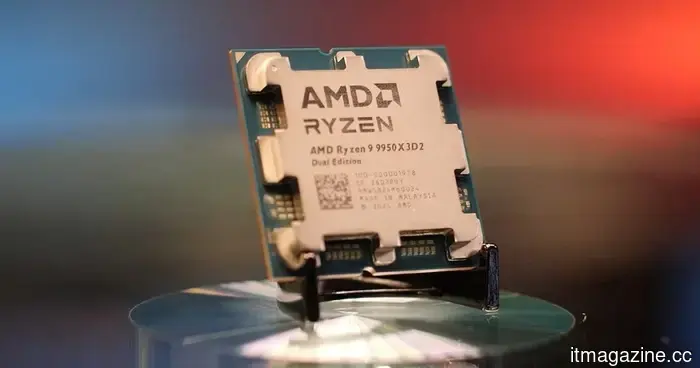 AMD’s newest Ryzen 9 9950X3D2 pushes the boundaries of X3D technology.
The AMD Ryzen 9 9950X3D2 features dual 3D V-Cache, offers a total of up to 208MB cache, and includes 16 cores, aimed at enthusiasts of extreme gaming and demanding workloads.
AMD’s newest Ryzen 9 9950X3D2 pushes the boundaries of X3D technology.
The AMD Ryzen 9 9950X3D2 features dual 3D V-Cache, offers a total of up to 208MB cache, and includes 16 cores, aimed at enthusiasts of extreme gaming and demanding workloads.
 Siri may soon integrate third-party AI tools in a significant iOS update.
You can utilize several AI assistants on your iPhone.
Siri may soon integrate third-party AI tools in a significant iOS update.
You can utilize several AI assistants on your iPhone.
 I moved all my conversations from other AI applications to Gemini, and it functions perfectly.
Gemini is transforming the landscape by utilizing insights from your previous conversations.
I moved all my conversations from other AI applications to Gemini, and it functions perfectly.
Gemini is transforming the landscape by utilizing insights from your previous conversations.
 Siri may soon offer support for third-party AI tools in a significant iOS update.
You can utilize several AI assistants on your iPhone.
Siri may soon offer support for third-party AI tools in a significant iOS update.
You can utilize several AI assistants on your iPhone.
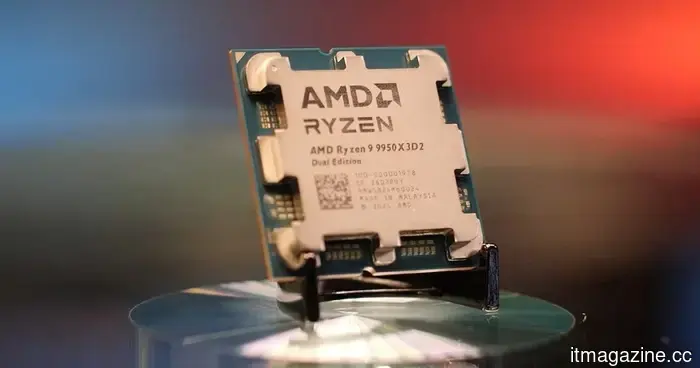 AMD's newest Ryzen 9 9950X3D2 takes X3D to new heights.
The AMD Ryzen 9 9950X3D2 features dual 3D V-Cache, offering a total cache of up to 208MB and includes 16 cores, designed for intense gaming and demanding tasks.
AMD's newest Ryzen 9 9950X3D2 takes X3D to new heights.
The AMD Ryzen 9 9950X3D2 features dual 3D V-Cache, offering a total cache of up to 208MB and includes 16 cores, designed for intense gaming and demanding tasks.
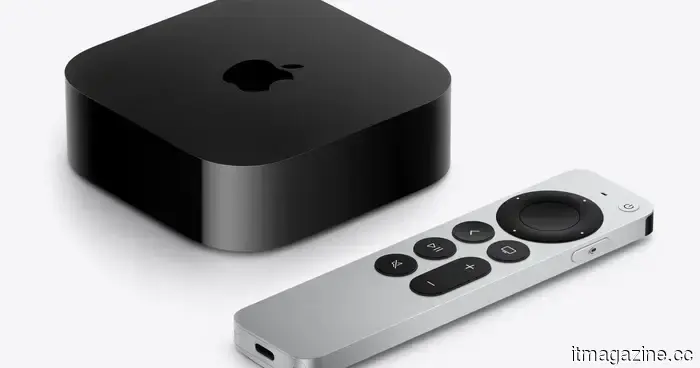 Your Apple TV is now able to suggest shows and movies tailored to your viewing preferences.
Apple's tvOS 26.4 introduces four significant updates to enhance your Apple TV experience, featuring a customized content browser, a Dolby audio correction that will please audiophiles, and the discontinuation of iTunes.
Your Apple TV is now able to suggest shows and movies tailored to your viewing preferences.
Apple's tvOS 26.4 introduces four significant updates to enhance your Apple TV experience, featuring a customized content browser, a Dolby audio correction that will please audiophiles, and the discontinuation of iTunes.
Siri may soon offer support for third-party AI tools in an upcoming significant iOS update.
You can utilize several AI assistants on your iPhone.