
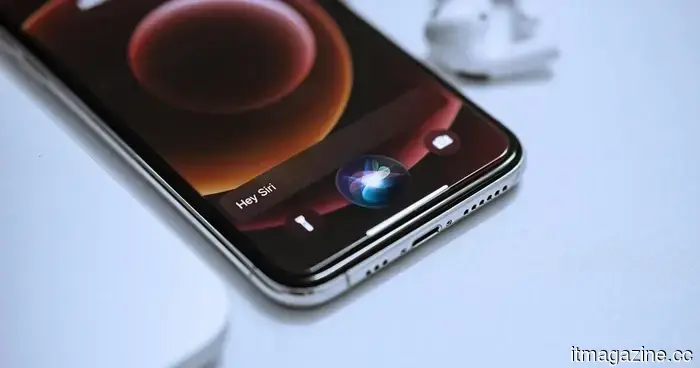
Siri may soon offer support for third-party AI tools in a significant iOS update.
Apple is reportedly gearing up for one of its most significant updates to Siri in years, with intentions to allow its voice assistant to work with third-party AI services in the forthcoming iOS 27 update. This shift indicates a substantial change in Apple’s approach to artificial intelligence, transitioning Siri from a standalone assistant into a more expansive AI platform capable of integrating with other technologies.
A Move Towards an Open AI Ecosystem
As per a Bloomberg report by Gurman, Apple aims to enable Siri to direct user inquiries to additional AI assistants beyond its current ChatGPT integration, potentially including systems like Google’s Gemini or Anthropic’s Claude.
This change would allow users to select which AI system addresses specific requests, effectively transforming Siri into a central interface instead of just a singular, self-sufficient assistant. Additionally, Apple is believed to be creating tools that will enable AI chatbot applications downloaded from the App Store to interact directly with Siri and other elements of its "Apple Intelligence" ecosystem.
The update is anticipated to launch alongside iOS 27, likely to be highlighted at Apple’s Worldwide Developers Conference (WWDC) later this year.
Reasons Behind Apple’s Decision
The move comes in response to rising pressure on Apple to keep up with the swift evolution of AI. While Siri has been an integral part of Apple’s ecosystem since 2011, it has struggled to compete with the capabilities of more modern AI assistants powered by large language models.
By making Siri accessible to third-party AI services, Apple is essentially recognizing that it may not need to develop the most advanced AI model independently—what matters is controlling the user interface and the overall platform experience.
This tactic reflects Apple’s broader strategy with the App Store, where it provides an ecosystem while enabling third-party developers to contribute functionality. In this context, Siri could serve as the portal through which users seamlessly access a variety of AI tools.
Implications for Users
For iPhone users, this change could greatly enhance Siri’s capabilities. Users will no longer be confined to Apple’s built-in features or a single AI partner, but instead may leverage different AI systems based on their specific needs.
For instance, one assistant could manage creative writing tasks, while another might focus on search or productivity needs. This level of flexibility could result in more accurate replies, improved personalization, and an overall more powerful experience.
Moreover, it streamlines accessibility. Instead of switching between various apps, users could depend on Siri as a single interface for engaging with multiple AI tools.
Impact on the Industry and Competitive Landscape
Apple’s decision could alter the competitive dynamics within the AI assistant market. By opening its platform, the company might stimulate greater innovation among AI providers, who will now compete for prominence and user engagement within the iOS ecosystem.
Simultaneously, this approach distinguishes Apple from competitors like Google and Microsoft, which are significantly investing in their proprietary AI models. Instead of directly competing based on model performance, Apple seems to be emphasizing integration, privacy, and user experience.
This strategy could also yield new revenue opportunities, as Apple may take a portion of subscriptions or services offered through integrated AI applications.
Looking Ahead
The anticipated changes are set to debut with iOS 27, likely unveiled at WWDC, where Apple is also rumored to present a comprehensive overhaul of Siri, including a more conversational interface and enhanced system integration. Future updates could further develop these features, potentially allowing Siri to function as a full-fledged AI agent capable of handling intricate, multi-step tasks across various apps and services.
However, much will depend on implementation. Apple has faced delays and criticism regarding its AI rollout in recent years, and the strategy's success will rely on how effectively these integrations operate in practice.
The Broader Perspective
Apple’s initiative to open Siri signifies a pivotal moment in the evolution of digital assistants. Instead of being isolated tools, they are evolving into platforms that connect users to a more comprehensive AI ecosystem.
For users, this could translate into greater options, improved performance, and a more intelligent everyday experience. For Apple, it represents a strategic wager—that controlling the interface may prove to be more important than owning the underlying intelligence.

Other articles
 I moved all my conversations from other AI applications to Gemini, and it functions perfectly.
Gemini is transforming the landscape by utilizing insights from your previous conversations.
I moved all my conversations from other AI applications to Gemini, and it functions perfectly.
Gemini is transforming the landscape by utilizing insights from your previous conversations.
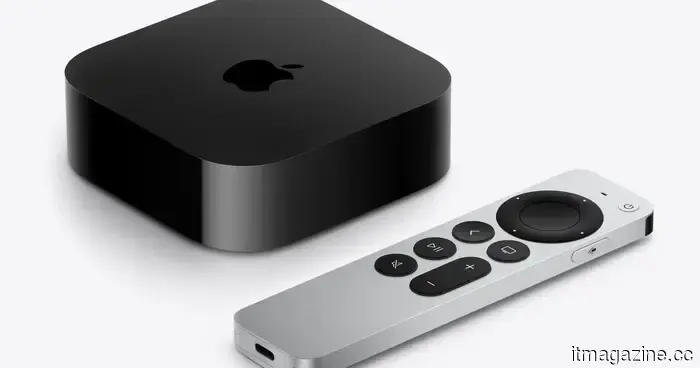 Your Apple TV is now able to suggest shows and movies tailored to your viewing preferences.
Apple's tvOS 26.4 has been released with four significant updates to enhance your Apple TV experience, featuring a customized content browser, a fix for Dolby audio that will be appreciated by audiophiles, and the retirement of iTunes.
Your Apple TV is now able to suggest shows and movies tailored to your viewing preferences.
Apple's tvOS 26.4 has been released with four significant updates to enhance your Apple TV experience, featuring a customized content browser, a fix for Dolby audio that will be appreciated by audiophiles, and the retirement of iTunes.
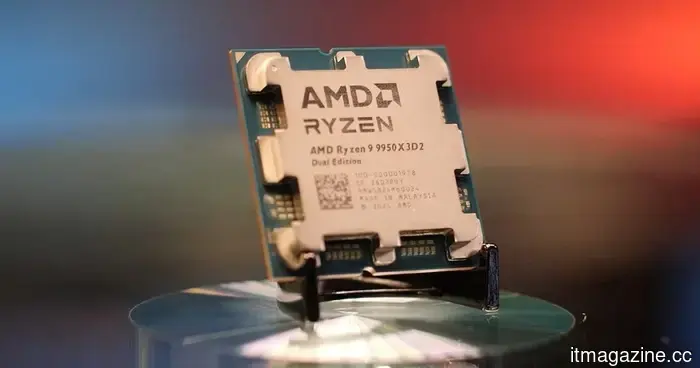 AMD's newest Ryzen 9 9950X3D2 takes X3D to new heights.
The AMD Ryzen 9 9950X3D2 features dual 3D V-Cache, offering a total cache of up to 208MB and includes 16 cores, designed for intense gaming and demanding tasks.
AMD's newest Ryzen 9 9950X3D2 takes X3D to new heights.
The AMD Ryzen 9 9950X3D2 features dual 3D V-Cache, offering a total cache of up to 208MB and includes 16 cores, designed for intense gaming and demanding tasks.
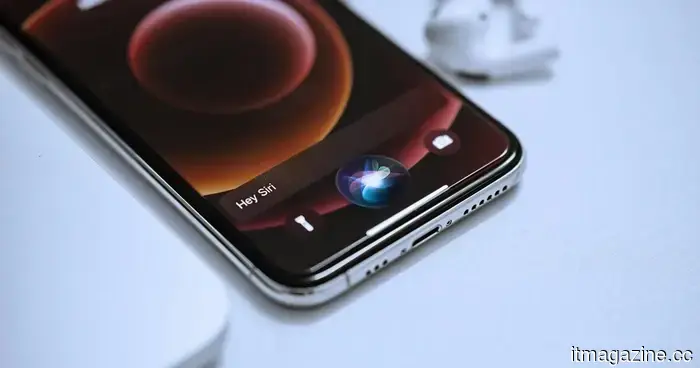 Siri may soon integrate third-party AI tools in a significant iOS update.
You can utilize several AI assistants on your iPhone.
Siri may soon integrate third-party AI tools in a significant iOS update.
You can utilize several AI assistants on your iPhone.
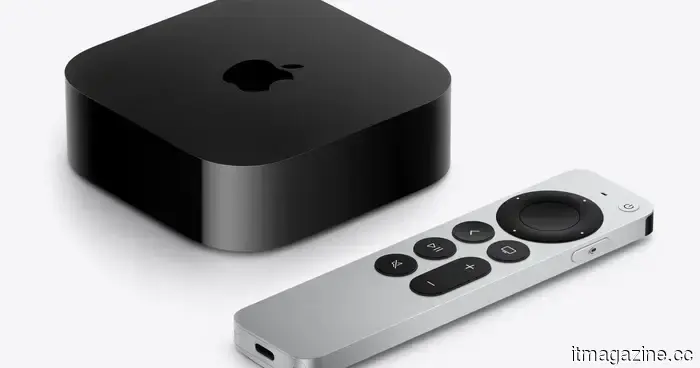 Your Apple TV is now able to suggest shows and movies tailored to your viewing preferences.
Apple's tvOS 26.4 introduces four significant updates to enhance your Apple TV experience, featuring a customized content browser, a Dolby audio correction that will please audiophiles, and the discontinuation of iTunes.
Your Apple TV is now able to suggest shows and movies tailored to your viewing preferences.
Apple's tvOS 26.4 introduces four significant updates to enhance your Apple TV experience, featuring a customized content browser, a Dolby audio correction that will please audiophiles, and the discontinuation of iTunes.
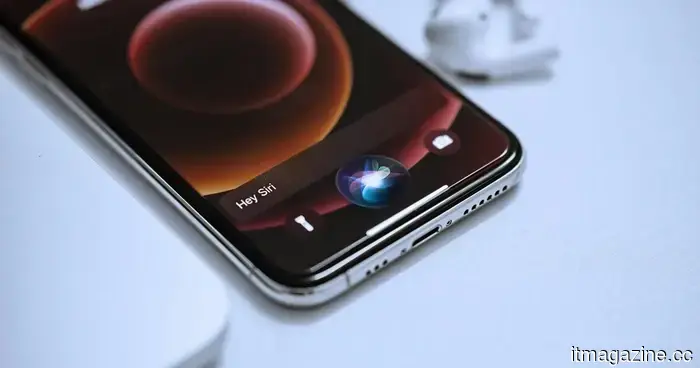 Siri may soon offer support for third-party AI tools in an upcoming significant iOS update.
You can utilize several AI assistants on your iPhone.
Siri may soon offer support for third-party AI tools in an upcoming significant iOS update.
You can utilize several AI assistants on your iPhone.
Siri may soon offer support for third-party AI tools in a significant iOS update.
You can utilize several AI assistants on your iPhone.