
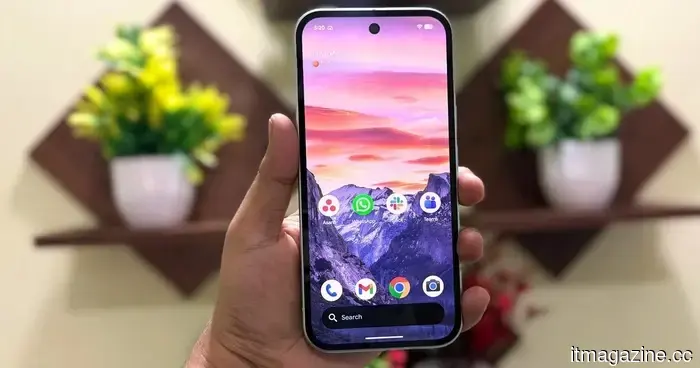
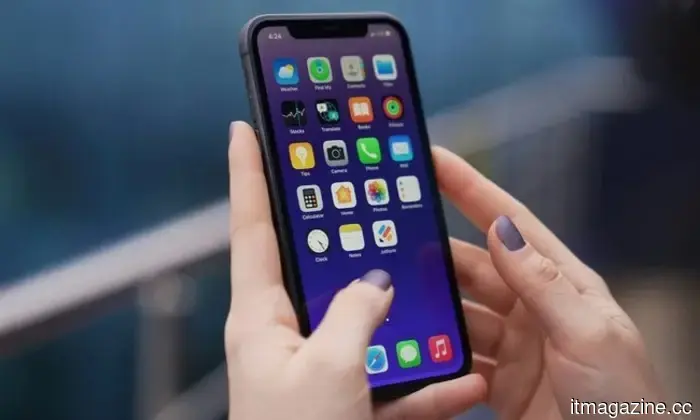
It's not merely the amount of time spent on the screen, but the frequency with which you reach for your phone that is detrimental to your brain.
Why "just checking" your phone is more damaging than you think.
For years, excessive screen time has been blamed for stress linked to smartphones. However, recent research indicates that we may have been focusing on the wrong issue.
A study from Aalto University discovered that frequent, fragmented phone usage is the main cause of information overload, rather than the total time spent on screens.
It’s not the hours you spend on your device that are most significant, but rather how often you disrupt your activities.
What’s wrong with checking your phone?
The study observed nearly 300 individuals over several months, combining usage statistics with self-reported mental stress. What was notable during this period was not the extensive usage but that those who frequently checked their phones for short periods reported higher levels of stress.
This behavior, characterized by quick checks, switching between apps, and brief interactions, creates a cycle of constant interruptions. This seems to be more mentally demanding than longer, uninterrupted usage.
Why this is more taxing than extended use
The main issue here is attention.
Each time you check your phone, your brain must shift its focus, process new information, and reconnect with what you were doing previously. If you do this dozens or even hundreds of times daily, the cognitive burden accumulates.
The study refers to this disjointed use, suggesting that this pattern contributes to feelings of being overwhelmed.
This shifts our understanding of phone usage habits
When discussing digital well-being, the typical recommendation is to reduce screen time. However, this research highlights a different challenge altogether. A person who spends several hours watching a single video is likely to feel less stressed than someone who checks their phone every few minutes.


Other articles
 Google reports that Android web browsing has surpassed the speed of iPhone browsing.
Android devices could now navigate the web more quickly than iPhones, as Google states that Chrome has surpassed Safari in important speed tests. The actual influence on performance varies based on your device, network, and the websites you access.
Google reports that Android web browsing has surpassed the speed of iPhone browsing.
Android devices could now navigate the web more quickly than iPhones, as Google states that Chrome has surpassed Safari in important speed tests. The actual influence on performance varies based on your device, network, and the websites you access.
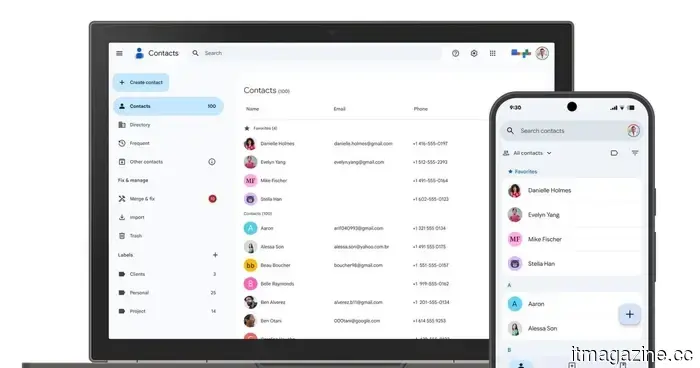 Android 17’s updated Contact Picker prevents applications from accessing your complete contact list.
Android 17 is introducing a new Contact Picker that alters the way applications access your contacts list. Previous reports suggested this move toward enhanced privacy, and now Google is implementing it. Rather than allowing apps unrestricted access to your entire address book, you will now be able to specify exactly which contacts they can view. Previously, […]
Android 17’s updated Contact Picker prevents applications from accessing your complete contact list.
Android 17 is introducing a new Contact Picker that alters the way applications access your contacts list. Previous reports suggested this move toward enhanced privacy, and now Google is implementing it. Rather than allowing apps unrestricted access to your entire address book, you will now be able to specify exactly which contacts they can view. Previously, […]
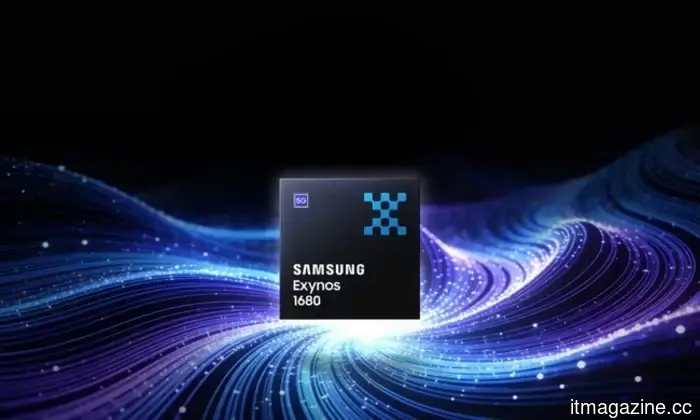
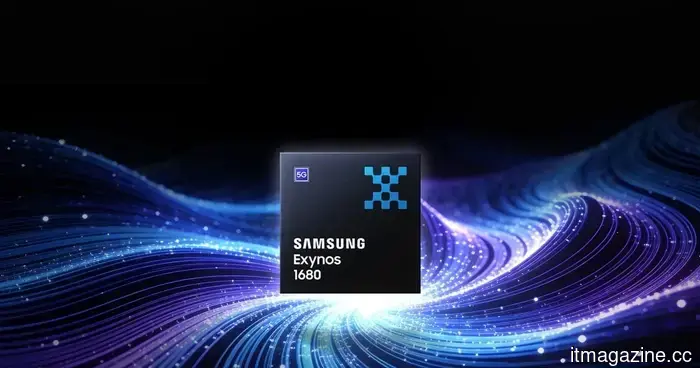 Samsung's latest Exynos 1680 is set to enhance AI and graphics capabilities for mid-range smartphones.
The Exynos 1680 is Samsung's newest mid-range chipset, offering improved graphics and quicker on-device AI performance in comparison to the previous Exynos 1580.
Samsung's latest Exynos 1680 is set to enhance AI and graphics capabilities for mid-range smartphones.
The Exynos 1680 is Samsung's newest mid-range chipset, offering improved graphics and quicker on-device AI performance in comparison to the previous Exynos 1580.
 Theia Insights secures $8 million to develop an alternative to traditional static industry classification systems.
Theia Insights, an AI startup based in Cambridge, has secured $8 million in funding to expand its dynamic company classification platform for financial markets, with MiddleGame Ventures leading the investment.
Theia Insights secures $8 million to develop an alternative to traditional static industry classification systems.
Theia Insights, an AI startup based in Cambridge, has secured $8 million in funding to expand its dynamic company classification platform for financial markets, with MiddleGame Ventures leading the investment.
 Sony aims to attach your phone to a DualSense controller, which may transform your gaming experience.
Sony has secured a patent for a system that connects your phone to a PlayStation controller, utilizing its cameras, gyroscope, and touchscreen as an additional input device to enhance the gaming experience.
Sony aims to attach your phone to a DualSense controller, which may transform your gaming experience.
Sony has secured a patent for a system that connects your phone to a PlayStation controller, utilizing its cameras, gyroscope, and touchscreen as an additional input device to enhance the gaming experience.
 Reddit might require you to verify your humanity as it takes measures against bot accounts.
Reddit is enforcing stricter measures against bots by introducing human verification procedures for accounts that appear suspicious. Additionally, the platform intends to implement clearer labels for automated profiles, allowing users to discern whether they are engaging with software.
Reddit might require you to verify your humanity as it takes measures against bot accounts.
Reddit is enforcing stricter measures against bots by introducing human verification procedures for accounts that appear suspicious. Additionally, the platform intends to implement clearer labels for automated profiles, allowing users to discern whether they are engaging with software.
It's not merely the amount of time spent on the screen, but the frequency with which you reach for your phone that is detrimental to your brain.
Researchers indicate that it's not the duration of phone use that matters, but rather the frequency of checking it that contributes to mental overload.