
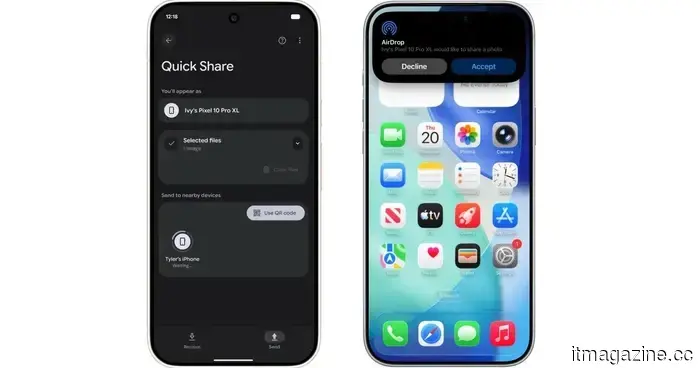
I view the AirDrop support in the Galaxy S26 as a step forward, yet I don’t believe it significantly alters things.
Apple has subtly set apart its iPhones by ensuring a seamless and smooth user experience in daily activities. For many years, AirDrop stood out as a prime example of this. Transferring files between Apple devices was effortless, while Android users had to rely on links, various apps, cable transfers, or the familiar “just send it on WhatsApp.”
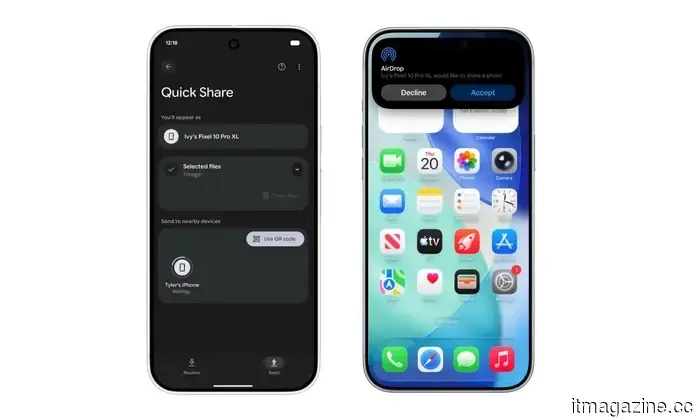
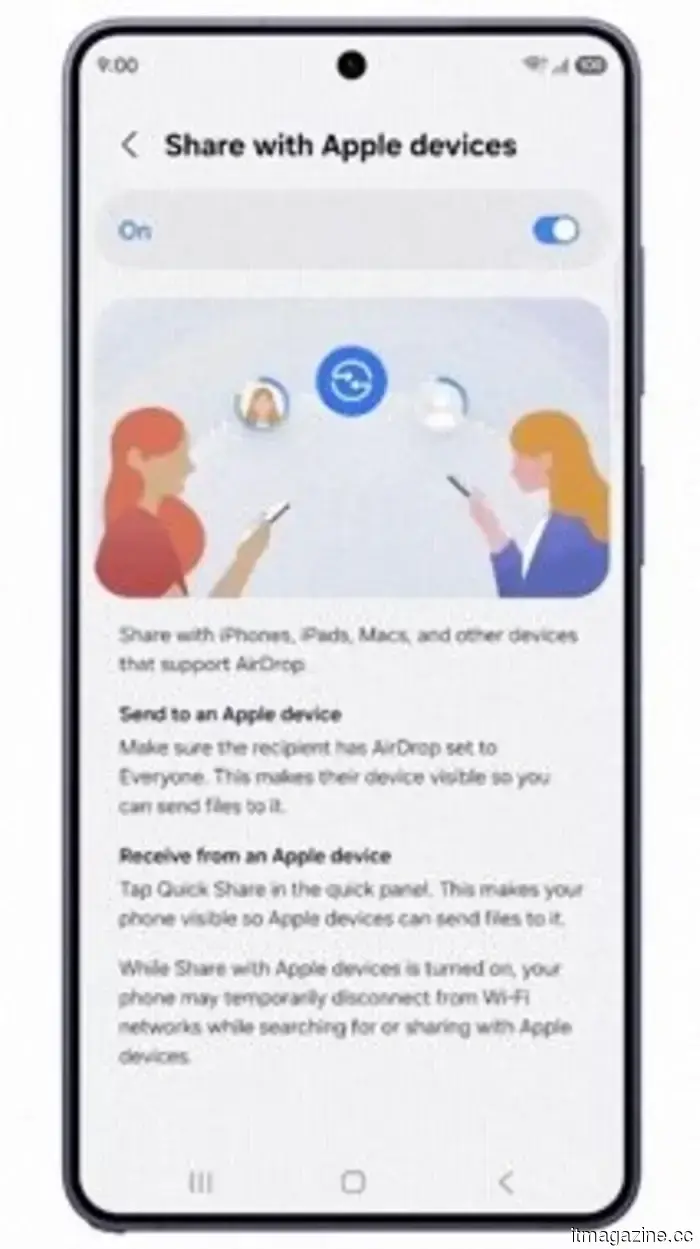
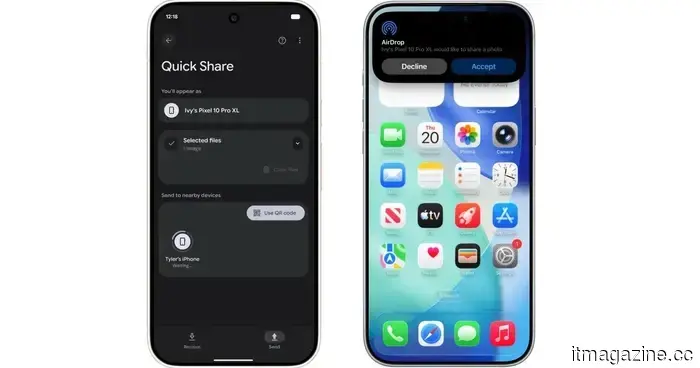
Samsung’s introduction of native support for AirDrop through Quick Share on the Galaxy S26 is indeed a commendable development. It makes sharing between platforms feel less cumbersome and more accessible. This move follows Google's Pixel 10 series, which was the first Android lineup to feature native compatibility with AirDrop.
Thus, the Galaxy S26 is enhancing the smartphone landscape slightly—though not in a revolutionary way.
Why this won’t prompt a change in loyalty
For Galaxy S26 users, the ability to easily share files with iPhones benefits everyone involved, addressing some genuine frustrations. It also casts Samsung in a more sensible light amidst the ongoing competition. However, despite the positive nature of this change, I doubt it will significantly alter consumer choices. iPhone users are unlikely to reconsider their allegiance to Apple.
People aren't sticking with Apple solely due to AirDrop. Their loyalty stems from the complexity of Apple’s ecosystem. AirDrop exists alongside iMessage, the Apple Watch, Macs, FaceTime, familiarity with apps, and years of established habits. In other words, file sharing is merely one component of a much larger framework. Samsung is addressing a single issue, but Apple’s stronghold remains intact.
Samsung isn’t spearheading a revolution; it’s joining one
The narrative extends beyond Samsung. A more intriguing aspect is the gradual shift of Android brands toward a similar direction. Google was the first to reach this milestone with the Pixel 10 series, while Samsung is now following suit with the Galaxy S26. This trend indicates that cross-platform compatibility is evolving from a novelty to a more standard feature.
Other brands are also contributing to this movement in their own ways. Xiaomi has launched an official Interconnectivity app for iPhone, iPad, and Mac, enabling file transfers, data-sync capabilities, and screen sharing with compatible Xiaomi devices. This approach represents a clearer effort to create cross-ecosystem connectivity than what many Android brands attempted a few years ago. Oppo is pursuing a similar path with O+ Connect, which facilitates fast file transfers between Apple devices and its own, along with OnePlus and Realme phones. It also synchronizes calls, messages, and notifications with iPhones.
Oppo further enhances functionality on the Mac front with file sharing and remote access to Macs. The trend here is clear: Android brands are now aiming to diminish the exclusivity of Apple’s ecosystem advantages rather than just competing on hardware specifications.
Not enough to influence significant change
My perspective on the Galaxy S26 acquiring AirDrop support is straightforward: I find it appealing. It was a long-awaited feature that introduces beneficial changes in a small yet significant way. Nonetheless, I believe such features are often overhyped, as they are straightforward to grasp and demonstrate. They make for compelling announcements, but they rarely alter consumer loyalty.
Most individuals do not switch ecosystems solely because file transfers have become easier. They make the switch for reasons related to camera quality, pricing, social status, habits, wearables, and because their digital lives are already situated in one ecosystem. Therefore, while these advancements are a step forward and help ease some frustrations, they won’t generate substantial momentum. AirDrop support comes across more as an enhancement in user experience rather than the beginning of a mass shift away from Apple. It isn’t transformative, and the majority of Apple users likely won’t notice the difference.

Other articles
 I view the AirDrop support in the Galaxy S26 as a step forward, but I believe it doesn't significantly alter things.
Samsung's inclusion of AirDrop support in the Galaxy S26 is the type of enhancement that users will immediately value, though it’s not something that typically drives phone purchases.
I view the AirDrop support in the Galaxy S26 as a step forward, but I believe it doesn't significantly alter things.
Samsung's inclusion of AirDrop support in the Galaxy S26 is the type of enhancement that users will immediately value, though it’s not something that typically drives phone purchases.
 Domino's launches enhanced AI tracking and real-time activities to improve order transparency.
Your iPhone will display real-time pizza updates without the need to open the app.
Domino's launches enhanced AI tracking and real-time activities to improve order transparency.
Your iPhone will display real-time pizza updates without the need to open the app.
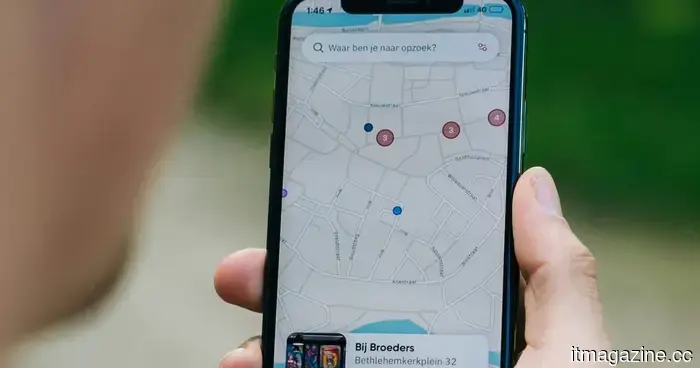 Advertisements in Apple Maps have now been confirmed and are set to launch this summer.
Apple has announced that advertisements will be introduced to Apple Maps this summer in the US and Canada, featuring sponsored results in search queries.
Advertisements in Apple Maps have now been confirmed and are set to launch this summer.
Apple has announced that advertisements will be introduced to Apple Maps this summer in the US and Canada, featuring sponsored results in search queries.
 Don't overlook the M4 MacBook Air: it features 24GB of RAM, a 15-inch Retina display, and you can save $300 due to the M5 release.
Apple has released its M5 MacBook Air, leading to a typical consequence: the M4 15-inch model is now available for $1,299 on Amazon, a $300 discount from its original price of $1,599. If you're looking for an ideal time to purchase a MacBook Air, now is the moment. The M4 chip remains one of the […]
Don't overlook the M4 MacBook Air: it features 24GB of RAM, a 15-inch Retina display, and you can save $300 due to the M5 release.
Apple has released its M5 MacBook Air, leading to a typical consequence: the M4 15-inch model is now available for $1,299 on Amazon, a $300 discount from its original price of $1,599. If you're looking for an ideal time to purchase a MacBook Air, now is the moment. The M4 chip remains one of the […]
 OpenAI unveils open-source tools focused on teen safety for AI developers.
OpenAI introduced safety guidelines focused on prompts for developers creating AI applications intended for teenagers, addressing issues such as violence, self-harm, and age-restricted material.
OpenAI unveils open-source tools focused on teen safety for AI developers.
OpenAI introduced safety guidelines focused on prompts for developers creating AI applications intended for teenagers, addressing issues such as violence, self-harm, and age-restricted material.
 iOS 26.4 has arrived, featuring Playlist Playground, new emojis, and a fix for Family Sharing issues.
iOS 26.4 doesn't change the game, but it subtly addresses issues that should have been resolved long ago — and it also introduces an AI playlist generator that's truly enjoyable to use.
iOS 26.4 has arrived, featuring Playlist Playground, new emojis, and a fix for Family Sharing issues.
iOS 26.4 doesn't change the game, but it subtly addresses issues that should have been resolved long ago — and it also introduces an AI playlist generator that's truly enjoyable to use.
I view the AirDrop support in the Galaxy S26 as a step forward, yet I don’t believe it significantly alters things.
Samsung's inclusion of AirDrop in the Galaxy S26 is the type of enhancement that users will instantly value, yet it's a feature that rarely drives a phone purchase.