
My life became a subscription trap, but I eliminated the unwanted expenses using these strategies.
There was a period when subscriptions seemed like a novelty. Those days were marked by (digital) tranquility, featuring seamless payment options on new, trendy apps providing unlimited access each month. You subscribed to Netflix and perhaps Spotify, and that generally constituted your expenses.
Now, the landscape includes streaming services, cloud storage, fitness apps, editing tools, AI chatbots, neglected free trials that slipped your mind weeks ago, and so much more. The subscription economy hasn’t just expanded; it has surged dramatically, affecting virtually every area of the digital realm.
The prevalence of subscriptions has led to a significant sense of subscription fatigue, which feels even more intense in 2026. People believed they weren’t spending much, but many are clearly overspending. The system of recurring payments has become more affordable, automatic, and easy to overlook.
Charges of $5.99 or $10.00 have been treated as inconsequential, but in truth, they accumulate into a larger issue over time. Subscription fatigue encompasses more than just convenience or greed; it also involves a lack of visibility.
Why subscription fatigue feels more burdensome than regular spending
When making a substantial purchase, you generally reconsider your decision, and that one-time expense can sting a bit. However, this sensation fades away over time. Subscriptions, on the other hand, do the opposite. They often go unnoticed, quietly billing you small amounts that barely register, resulting in a more significant financial drain than a one-off large expense. Although the discomfort is less dramatic, it is ever-present.
While clearer cancellation metrics can alleviate subscription entanglements, behavioral tendencies such as inertia and auto-renewal keep individuals subscribed long after their interest wanes. Increasing visibility can help; there’s no need for more guilt or admonishments regarding “better money management.”
Making subscriptions visible
Looking for a way to simplify your financial life? The solution is straightforward: gather all your subscriptions. This process is akin to organizing your bills, but it’s more convenient with a smartphone. When all your subscriptions are consolidated in one place, they become less abstract and start to resemble tangible financial patterns.
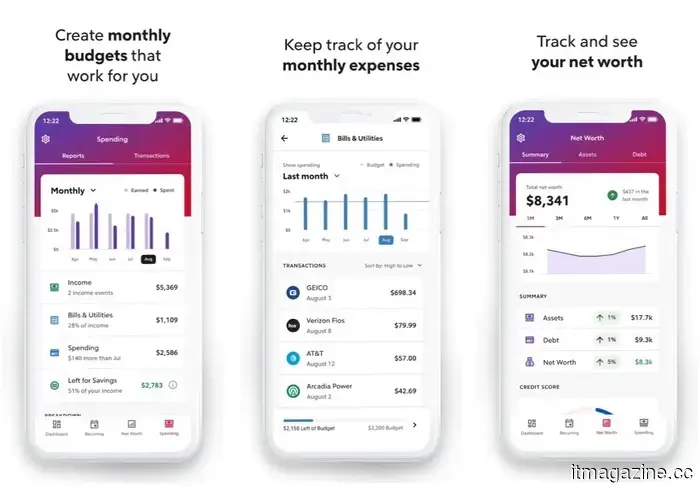
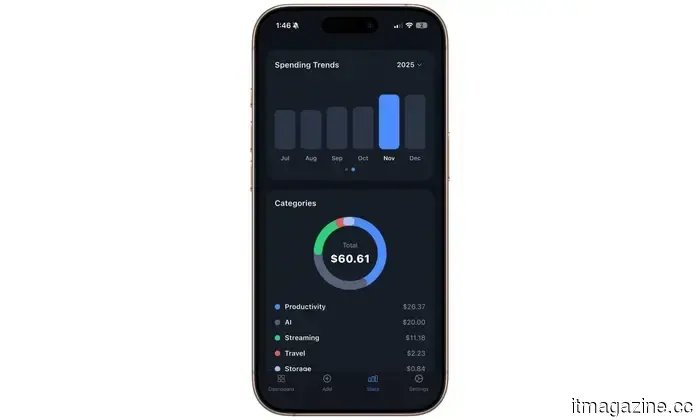
There are apps available that monitor your bill payments and total spending, and even dedicated ones for tracking subscriptions. These applications dismantle the barriers these charges hide behind, presenting them neatly for your review.
However, the reality might not be pleasing.
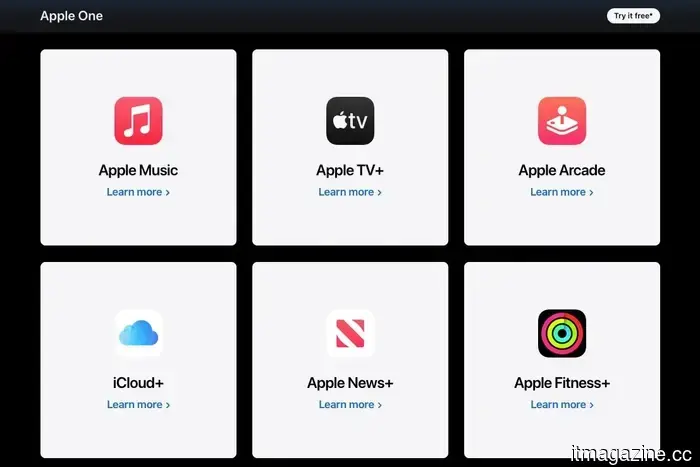
Apple provides a basic feature that allows users to cancel any subscriptions from the Apple Store directly. Nonetheless, many recurring payments occur outside the App Store. Therefore, if you're trying to tidy up your subscriptions, you may require some professional assistance.
The best subscription apps are not necessarily the most elaborate ones
Most people shy away from cluttered finance dashboards, leading to a demand for simple, focused, and user-friendly tools. With this in mind, here are a few names that often emerge in discussions about effective subscription managers:
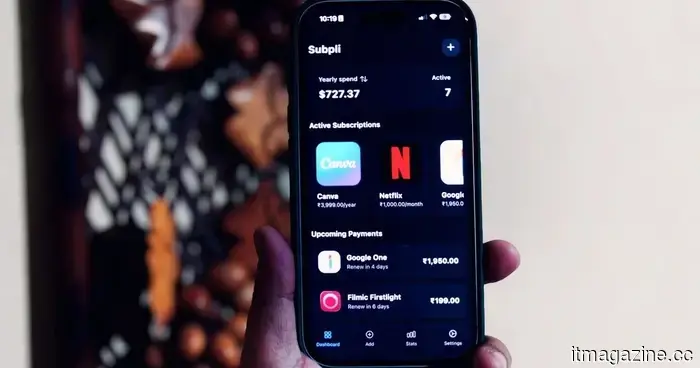
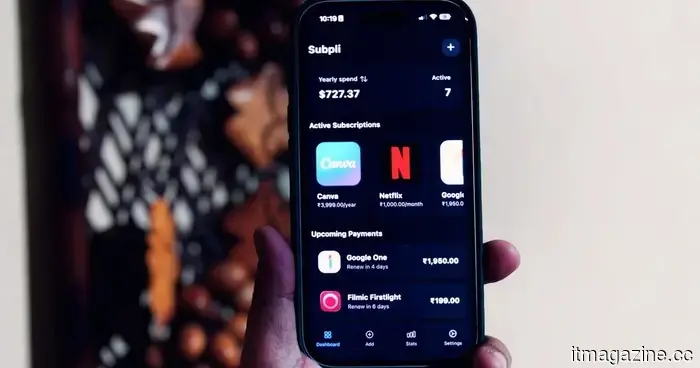
Subpli first drew our attention for being a free, ad-free app that does not require mandatory sign-up. It includes renewal reminders, category filters, monthly and annual totals, and even a guest mode.
Bobby has been around for some time and is one of the more recognized options for iPhones. Its App Store listing showcases numerous built-in subscription templates, due-date notifications, and a clearer overview of fixed monthly costs.
In contrast, Rocket Money adopts a more aggressive, finance-centric approach compared to simpler tracker apps. It markets itself as a service that identifies subscriptions for you, eliminating the need to manually log recurring payments and also providing a concierge-style service for canceling unwanted expenses, appealing to those seeking a broader money management tool.
Subby is another solid choice if you’re looking for an Android-specific option. It is straightforward, concentrating on essential features like tracking subscriptions and recurring bills in one dashboard, providing cancellation reminders before renewals, and supporting multiple currencies. Pro users can even enjoy extras such as widgets and Google Drive backup.
It’s increasingly becoming a policy concern
Subscription fatigue is evolving into more than just a personal finance dilemma. In the UK, the government has proposed stricter regulations aimed at “subscription traps,” which include clearer pre-signup information, renewal notifications, a 14-day cooling-off period after free trials, and simplified cancellation processes. The government estimates that UK consumers waste around £1.6 billion annually on nearly 10 million undesired subscriptions out of the country’s 155 million total active subscriptions.
Consumer data reflects a similar trend. Surveys, corroborated by various findings, indicate that US adults spend about $91 monthly on subscriptions, with nearly half forgetting to cancel a free trial. Younger users tend to be more vulnerable to falling into this trap.
Subscription chaos is not going away, but it’s time to take control
Companies thrive on the recurring-revenue model, and with consumers still drawn to its convenience, this model is set to persist. The critical question remains whether users can regain some authority over their subscriptions.
The answer is affirmative, though it requires some deliberate effort. Taking small
Other articles
 Don't overlook the M4 MacBook Air: it features 24GB of RAM, a 15-inch Retina display, and you can save $300 due to the M5 release.
Apple has released its M5 MacBook Air, leading to a typical consequence: the M4 15-inch model is now available for $1,299 on Amazon, a $300 discount from its original price of $1,599. If you're looking for an ideal time to purchase a MacBook Air, now is the moment. The M4 chip remains one of the […]
Don't overlook the M4 MacBook Air: it features 24GB of RAM, a 15-inch Retina display, and you can save $300 due to the M5 release.
Apple has released its M5 MacBook Air, leading to a typical consequence: the M4 15-inch model is now available for $1,299 on Amazon, a $300 discount from its original price of $1,599. If you're looking for an ideal time to purchase a MacBook Air, now is the moment. The M4 chip remains one of the […]
 I view the AirDrop support in the Galaxy S26 as a step forward, but I believe it doesn't significantly alter things.
Samsung's inclusion of AirDrop support in the Galaxy S26 is the type of enhancement that users will immediately value, though it’s not something that typically drives phone purchases.
I view the AirDrop support in the Galaxy S26 as a step forward, but I believe it doesn't significantly alter things.
Samsung's inclusion of AirDrop support in the Galaxy S26 is the type of enhancement that users will immediately value, though it’s not something that typically drives phone purchases.
 Domino's launches enhanced AI tracking and real-time activities to improve order transparency.
Your iPhone will display real-time pizza updates without the need to open the app.
Domino's launches enhanced AI tracking and real-time activities to improve order transparency.
Your iPhone will display real-time pizza updates without the need to open the app.
 Halter secures $220 million at a $2 billion valuation to expand its virtual fencing technology.
New Zealand agtech startup Halter has completed a $220 million Series E funding round, led by Founders Fund, which has placed the virtual fencing company’s valuation at $2 billion following the sale of one million GPS cattle collars.
Halter secures $220 million at a $2 billion valuation to expand its virtual fencing technology.
New Zealand agtech startup Halter has completed a $220 million Series E funding round, led by Founders Fund, which has placed the virtual fencing company’s valuation at $2 billion following the sale of one million GPS cattle collars.
 My life became a subscription nightmare, but I eliminated the unwanted charges with these methods.
There was once a period when subscriptions seemed like an exciting new trend. Those days were marked by (digital) tranquility. A smooth payment option on trendy apps offered endless access (for the month). You subscribed to Netflix, and perhaps Spotify, and that was typically it. Today, it’s all about streaming services, cloud storage, fitness applications, editing tools, AI chatbots, […]
My life became a subscription nightmare, but I eliminated the unwanted charges with these methods.
There was once a period when subscriptions seemed like an exciting new trend. Those days were marked by (digital) tranquility. A smooth payment option on trendy apps offered endless access (for the month). You subscribed to Netflix, and perhaps Spotify, and that was typically it. Today, it’s all about streaming services, cloud storage, fitness applications, editing tools, AI chatbots, […]
 How BNESIM utilizes AI to transform travel eSIM and worldwide connectivity
BNESIM describes how artificial intelligence is reshaping travel eSIM, enhancing customer support, improving fraud detection, and strengthening global connectivity in a fast-changing telecommunications environment.
How BNESIM utilizes AI to transform travel eSIM and worldwide connectivity
BNESIM describes how artificial intelligence is reshaping travel eSIM, enhancing customer support, improving fraud detection, and strengthening global connectivity in a fast-changing telecommunications environment.
My life became a subscription trap, but I eliminated the unwanted expenses using these strategies.
There was an era when subscriptions seemed like a new and exciting concept. Those times were marked by a sense of (digital) tranquility. A smooth payment option on trendy new applications provided month-long unlimited access. You subscribed to Netflix and perhaps Spotify, and that was generally the extent of it. Nowadays, there are subscriptions for streaming services, cloud storage, fitness applications, editing tools, AI chatbots, […]