

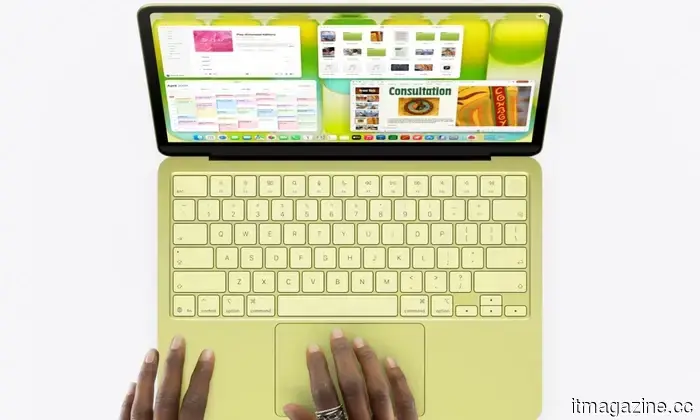
Windows 11 aims to operate similarly to a MacBook Neo, beginning with improved memory efficiency.
Microsoft is cutting down on RAM usage to enhance the viability of 8GB systems.
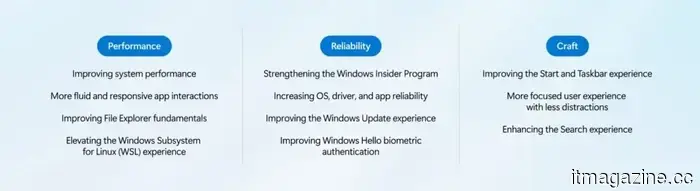
Microsoft is finally addressing one of the most ongoing issues with Windows 11: performance, particularly on lower-end devices. As part of its commitment to improving Windows quality, the company claims it is working to lower resource consumption, boost responsiveness, and optimize memory use across the operating system. The objective is straightforward: to make Windows faster and more dependable, even on modest hardware, which is increasingly important.
Why is Microsoft prioritizing memory optimization now?
The reality is that the industry is evolving, and Windows risks lagging behind. In recent years, Apple has demonstrated that 8GB of RAM can be sufficient for daily tasks on devices such as the M1 MacBook Air and the latest MacBook Neo, thanks to extensive optimization and unified memory architecture. According to tests by Tom’s Guide, macOS can utilize considerably less RAM than Windows for similar tasks.
In contrast, Windows laptops have historically leaned on sheer power, using more RAM, extensive background caching, and numerous processes to sustain performance. However, this method is beginning to falter, particularly as RAM prices rise and manufacturers aim to offer more affordable options. If Windows 11 cannot operate smoothly on 8GB systems, it risks making budget laptops feel outdated even before they are released.
What specific changes is Microsoft making in Windows 11?
On a fundamental level, Microsoft is aiming to make Windows less resource-intensive. The company indicates it is lowering the baseline memory footprint of Windows, which will free up more RAM for applications and enhance overall responsiveness. This improvement should lead to quicker app launches, smoother navigation, and better performance in routine tasks like file browsing.
Additionally, enhancements are being introduced to key components such as File Explorer, which will see improved load times, smoother navigation, and more reliable file operations. This is part of a broader effort to make Windows feel more responsive. Microsoft is also planning to minimize latency in everyday functionalities, including the Start menu, by transitioning more core components of Windows to WinUI 3 for a more responsive interface.
Whether these adjustments will effectively match Apple’s level of optimization remains uncertain. However, if Microsoft succeeds, we might witness the arrival of a new generation of affordable Windows laptops that don’t come with compromises and finally present genuine competition to the 8GB MacBooks.
Varun is a seasoned technology journalist and editor with over eight years of experience in consumer tech media. His work encompasses...
iOS 26.4 introduces mood-based Music widgets for your iPhone’s home screen.
The new Ambient Music widgets in iOS 26.4 transform your iPhone Home Screen into a mood board at your fingertips — but you must subscribe to Apple Music to use them.
If you’ve ever unlocked your iPhone at midnight searching for a sleep playlist while already drowsy, iOS 26.4 makes life simpler. The release candidate of iOS 26.4 is here, introducing Ambient Music widgets—these allow you to play mood-based playlists with a single tap on your home screen.
Cloudflare's CEO warns that AI bots could outnumber humans online by 2027.
The emergence of bots is altering the web landscape.
The internet you utilize daily could soon be overrun by artificial intelligence. Cloudflare CEO Matthew Prince predicts that AI bots may generate more traffic than humans in the next year or two, signifying a significant change in how the web functions. In a recent discussion with TechCrunch, Prince noted that bot activity is proliferating rapidly as AI systems engage with websites on a large scale.
Microsoft is reducing Copilot “bloat” in Windows 11.
The company states it will be more selective about where AI is implemented.
Microsoft is reevaluating the necessity of AI within Windows 11, which includes scaling back Copilot. As part of its broader initiative to enhance Windows quality, the company plans to reduce the number of entry points for Copilot across the operating system and its applications. According to Microsoft, this reduction will start with applications like Photos, Notepad, Widgets, and the Snipping Tool, where Copilot had begun to feel overly integrated. This adjustment aligns with Microsoft’s strategy to move away from aggressively embedding AI everywhere and focus on integrating it meaningfully.




Other articles
 Google Messages introduces two essential features that are much needed for group chats.
Following several months of beta testing, Google Messages has introduced the ability to @mention individuals in group chats and recover deleted conversations within a 30-day period — here’s how each feature operates.
Google Messages introduces two essential features that are much needed for group chats.
Following several months of beta testing, Google Messages has introduced the ability to @mention individuals in group chats and recover deleted conversations within a 30-day period — here’s how each feature operates.
 Google Messages introduces two features that your group chats have been longing for.
Following several months of beta testing, Google Messages has introduced the ability to @mention individuals in group chats and to recover deleted conversations within 30 days — here’s how each feature functions.
Google Messages introduces two features that your group chats have been longing for.
Following several months of beta testing, Google Messages has introduced the ability to @mention individuals in group chats and to recover deleted conversations within 30 days — here’s how each feature functions.
 The CEO of Cloudflare cautions that by 2027, AI bots may surpass the number of humans on the internet.
Cloudflare's CEO Matthew Prince cautions that by 2027, AI bots may take over internet traffic, since these automated agents can access thousands of websites to complete a single task, resulting in significantly higher loads compared to human users.
The CEO of Cloudflare cautions that by 2027, AI bots may surpass the number of humans on the internet.
Cloudflare's CEO Matthew Prince cautions that by 2027, AI bots may take over internet traffic, since these automated agents can access thousands of websites to complete a single task, resulting in significantly higher loads compared to human users.
 Microsoft is reducing the "bloat" associated with Copilot in Windows 11.
Microsoft is scaling back Copilot integrations in Windows 11 applications in response to user feedback, seeking to create a more considerate and less disruptive AI experience.
Microsoft is reducing the "bloat" associated with Copilot in Windows 11.
Microsoft is scaling back Copilot integrations in Windows 11 applications in response to user feedback, seeking to create a more considerate and less disruptive AI experience.
Windows 11 aims to operate similarly to a MacBook Neo, beginning with improved memory efficiency.
Microsoft is enhancing the performance of Windows 11 by lowering memory usage, with the goal of making laptops with 8GB of RAM more functional in light of increasing hardware prices.