
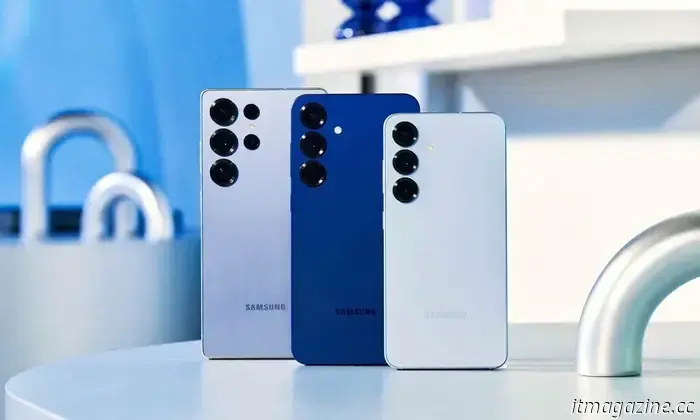
The recent teaser for Samsung's Galaxy S26 suggests improvements in camera zoom quality, but I remain unimpressed.
AI can enhance images but cannot permanently substitute for optical capabilities, and Samsung's approach with the Galaxy S26 camera seems increasingly cautious as the market trends towards larger sensors.
Samsung has released a series of short videos hinting at improvements to the camera system of the upcoming Galaxy S26 series, which is anticipated to be unveiled during the Galaxy Unpacked event scheduled for February 25, 2026. The lineup will likely include the standard Galaxy S26, the Galaxy S26 Plus featuring a triple-rear camera system, and the Galaxy S26 Ultra with a quad-camera arrangement.
Interestingly, or perhaps disappointing, these devices are expected to launch without any significant upgrades to the camera hardware. Nevertheless, Samsung is promoting enhancements in low-light video performance and better clarity for far-away subjects.
Two out of the three teasers emphasize how the cameras in the new Galaxy flagship models can adapt near darkness into bright and detailed videos. The third teaser presents a video demonstrating how the next Galaxy S series can zoom in on smaller subjects (like a dog in a moving car) from a significant distance, showcasing the ability to “discover what your eyes can’t see.”
It appears that Samsung is relying heavily on improvements at the ISP level, enhanced multi-frame processing, and increasingly bold generative photography techniques. This strategy shouldn't come as a surprise, as rumors suggest that the Exynos 2600 chipset will include an upgraded imaging stack with features such as five-frame HDR fusion, 14-bit RAW capture, and native 8K 60 fps HDR10+ video.
However, there's a limit to how much software can compensate for hardware before it starts feeling more like clever workaround than genuine advancement.
In the realm of camera hardware, competitors seem to be gaining ground. Other Android manufacturers are also employing aggressive AI-based sharpening but are doing so with more ambitious camera configurations. For instance, the Oppo Find X9 features a triple 50MP camera setup, while the Vivo X300 includes a 200MP main camera along with two 50MP sensors for optical zoom and ultrawide perspectives.
When compared to these models, the anticipated 10MP telephoto and 12MP ultrawide sensors on the Galaxy S25 and Galaxy S25 Plus (which are expected to carry over to the new models) seem outdated. This is particularly concerning, given that Samsung possesses the expertise and resources to do better. I would prefer to see Samsung innovate at the sensor level first, then leverage generative AI to enhance the outcomes, rather than solely depending on algorithms to mask inferior hardware.
For over five years, Shikhar has been simplifying advancements in consumer technology and presenting them…
Google's Gemini may soon take over tasks for you
A new screen automation feature might enable AI to perform tasks within apps on Android.
Reports indicate that Google is working on a significant update for its generative AI assistant Gemini, which may transform it from primarily a conversational tool into a more functional work assistant. A recent beta code investigation by 9to5Google revealed indications of a feature internally labeled “screen automation.” This suggests that Gemini could soon execute actions on your behalf within specific Android apps, such as placing orders or booking rides, without requiring manual navigation through screens.
While Gemini currently assists with conversational tasks like composing emails or creating research plans, this upgrade seems poised to allow it to interact directly with app interfaces, tapping buttons and navigating screens to accomplish tasks that users typically perform. Early evidence from the beta hints that these functions will initially be limited to a few supported apps and will require user oversight, with Google advising that “Gemini can make mistakes” and that users remain accountable for actions undertaken on their behalf.
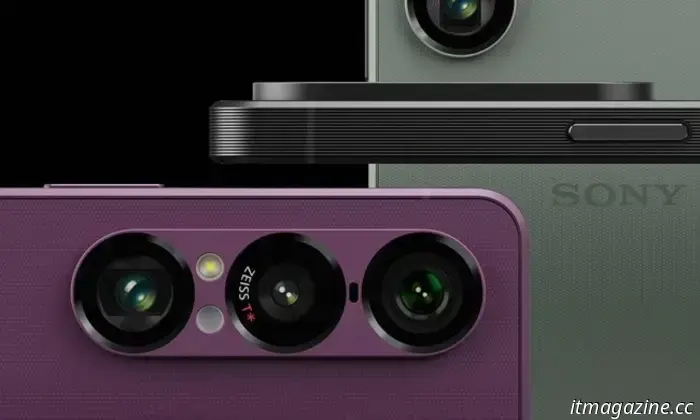
Sony may be planning a comeback with the global launch of new Xperia phones
Leaked GSMA IMEI listings have revealed model numbers for Sony's upcoming Xperia smartphones, indicating global availability but not in the U.S., and hinting at flagship and mid-range specifications for 2026.
Sony's forthcoming smartphone line has been revealed in the GSMA IMEI database, providing insights despite the company not officially releasing any information. The Japanese site S-Max discovered two Sony Xperia models in the GSMA database: the Xperia 1 VIII and Xperia 10 VIII, each assigned a unique allocation code.
Google has discreetly made the Pixel 10A official
Google has intentionally leaked information about the Pixel 10A again.
The secret is officially out - not that it was ever truly concealed. In a classic move by Google, the tech giant grew weary of relentless leaks and decided to announce the phone itself. After weeks of blurred images and spec speculation, Google released a teaser video confirming the existence of the Pixel 10A, which comes in a stylish powder blue, with preorders set to begin on February 18.
If it’s not broken, don’t fix it?



Other articles
 As NASA's ambitions for the moon are on hold, another team sets its sights on orbit.
NASA's first crewed lunar mission in over 50 years will not launch this month as planned. The Artemis II mission, which was set for a February 6 launch and aims to take four astronauts on a journey around the moon, has been delayed due to problems that arose during a crucial preflight test on Tuesday.
As NASA's ambitions for the moon are on hold, another team sets its sights on orbit.
NASA's first crewed lunar mission in over 50 years will not launch this month as planned. The Artemis II mission, which was set for a February 6 launch and aims to take four astronauts on a journey around the moon, has been delayed due to problems that arose during a crucial preflight test on Tuesday.
 Anticipating a decline in memory prices? The CEO of Intel indicates that the shortage will not be resolved in the near future.
Intel CEO Lip-Bu Tan states that the worldwide shortage of memory is not expected to improve in the near future, cautioning that supply limitations may continue until 2028.
Anticipating a decline in memory prices? The CEO of Intel indicates that the shortage will not be resolved in the near future.
Intel CEO Lip-Bu Tan states that the worldwide shortage of memory is not expected to improve in the near future, cautioning that supply limitations may continue until 2028.
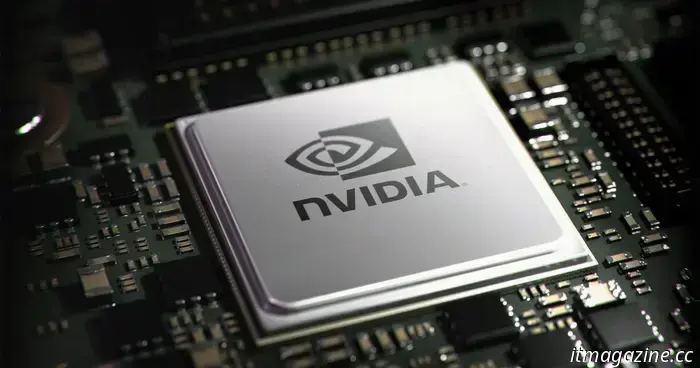 The arrival of Nvidia's ARM-based laptops might take longer than anticipated.
A recent leak indicates that Nvidia's highly anticipated ARM-powered laptops may be postponed beyond the first quarter of 2026.
The arrival of Nvidia's ARM-based laptops might take longer than anticipated.
A recent leak indicates that Nvidia's highly anticipated ARM-powered laptops may be postponed beyond the first quarter of 2026.
 Spotify can now display lyrics even when you are not connected to the internet and can also translate them.
Spotify is introducing new lyric features that allow you to access complete lyrics offline, translate them into your chosen language, and preview lyrics straight from the Now Playing screen.
Spotify can now display lyrics even when you are not connected to the internet and can also translate them.
Spotify is introducing new lyric features that allow you to access complete lyrics offline, translate them into your chosen language, and preview lyrics straight from the Now Playing screen.
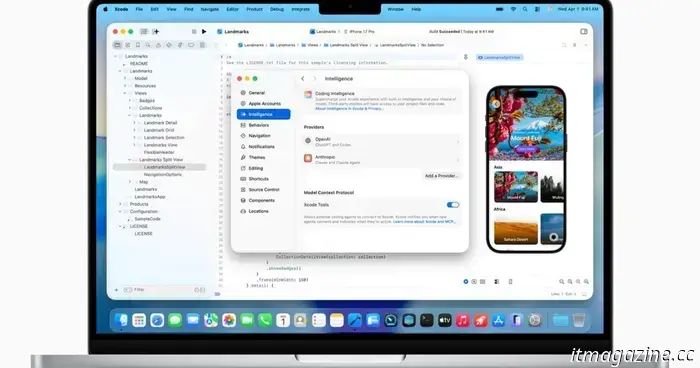 Xcode's latest AI agents not only propose code but also carry out tasks on your behalf.
With Xcode 26.3, Apple introduces agentic AI to app development, facilitating the use of tools from OpenAI and Anthropic for actively building, debugging, and automating code.
Xcode's latest AI agents not only propose code but also carry out tasks on your behalf.
With Xcode 26.3, Apple introduces agentic AI to app development, facilitating the use of tools from OpenAI and Anthropic for actively building, debugging, and automating code.
 AEKE K1 is an intelligent home gym that adapts to the needs of your family.
To be frank, attempting to have an entire family reach a consensus on a fitness routine typically leads to complications. It often resembles attempting to piece together a puzzle with shifting pieces. You have adults juggling the pressures of their jobs and the weariness of parenting, while kids are stuck to their […]
AEKE K1 is an intelligent home gym that adapts to the needs of your family.
To be frank, attempting to have an entire family reach a consensus on a fitness routine typically leads to complications. It often resembles attempting to piece together a puzzle with shifting pieces. You have adults juggling the pressures of their jobs and the weariness of parenting, while kids are stuck to their […]
The recent teaser for Samsung's Galaxy S26 suggests improvements in camera zoom quality, but I remain unimpressed.
Samsung is hinting at enhanced zoom and night video capabilities on the Galaxy S26, but the reliance on outdated camera hardware raises doubts about whether software upgrades will be sufficient.