

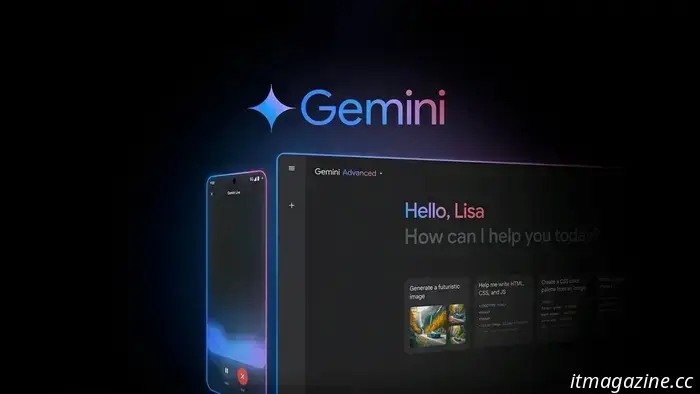
Google's Gemini may soon be able to work on your behalf.
A new upgrade for screen automation might enable AI to perform tasks within apps on Android.
Google is reportedly working on a notable enhancement for its generative AI assistant, Gemini, potentially transforming it from mainly a conversational helper into a more active work agent. Recent findings from a beta analysis of the Google app code by 9to5Google have revealed references to a feature internally dubbed “screen automation.” This indicates that Gemini may soon be able to directly perform actions for users in specific Android apps, such as making orders or booking rides, without the user needing to manually navigate through screens.
Although Gemini currently handles conversational activities like composing emails or creating research outlines, this upgrade seems ready to allow it to literally engage with app interfaces, pressing buttons and maneuvering through screens to accomplish tasks that users usually handle themselves. Initial evidence from the beta suggests that these capabilities will initially be restricted to a select number of supported apps and will focus on user oversight, with Google cautioning that “Gemini can make mistakes” and reminding users that they are accountable for actions taken in their name.
This upgrade represents a shift in the role AI plays from merely an assistant to an agent.
The idea behind screen automation marks a significant advancement toward granting AI more independence in daily digital processes. Rather than simply recommending potential actions, Gemini might soon execute those decisions directly within apps. Early code snippets from Google's beta also hint at privacy measures, advising users against entering login or payment details into AI chats and cautioning that screenshots could be analyzed to enhance the feature. Google already provides some agent functionalities through its Gemini Agent platform in Workspace and online, where AI can manage intricate workflows and synchronize across services, but screen automation could integrate those features directly into smartphones and everyday app usage.
If these features see a broad rollout, it could change how users interact with mobile devices, shifting from manual tapping and swiping to allowing AI tools to operate on their behalf. This could simplify daily processes, but it also raises concerns about control, security, and oversight, especially regarding sensitive tasks like bookings or financial transactions.
Google is reportedly framing these upgrades as optional and supervised, allowing users to halt or override Gemini at any point. However, for now, the screen automation feature is still under development and has not yet appeared in stable releases.
Varun is a seasoned technology journalist and editor with over eight years of experience in consumer tech media. His coverage spans...
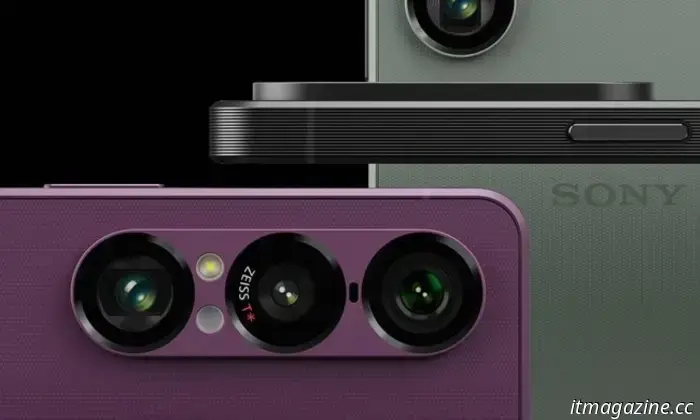
Sony may be preparing to re-enter the market with the global launch of new Xperia devices.
Leaked GSMA IMEI listings have revealed model numbers for Sony's forthcoming Xperia smartphones, indicating global availability, though not in the U.S., and hinting at flagship and mid-range specifications for 2026.
The upcoming smartphone series from Sony has made its debut in the GSMA IMEI database, providing some insights even though the company has yet to make any official announcements. The Japanese outlet S-Max has identified two models: the Xperia 1 VIII and the Xperia 10 VIII, both with their unique allocation codes.
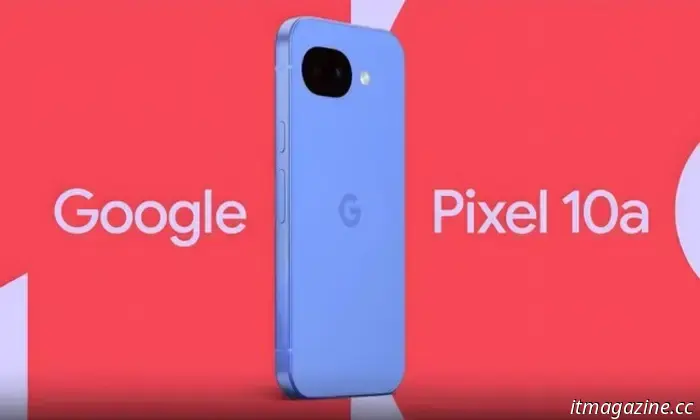
In other news, Google has casual confirmed the Pixel 10A.
In a move typical of Google, the tech giant appears to have grown weary of the continuous stream of leaks and opted to publicly reveal the phone itself. Following weeks of unclear images and specification rumors, Google released a teaser video confirming the existence of the Pixel 10A, which comes in an attractive powder blue, with preorders starting on February 18.
Is it advisable to stick with what works?
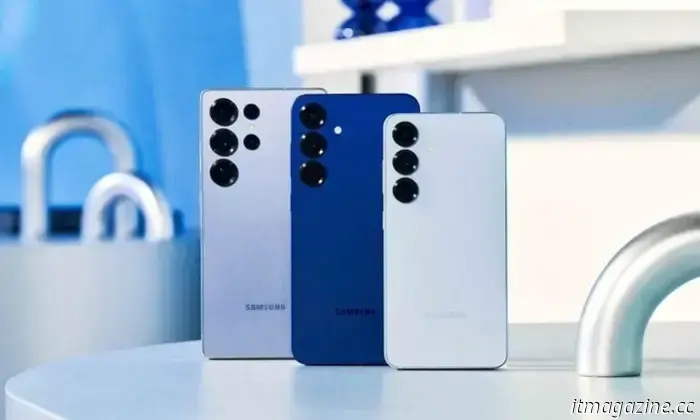
Samsung has recently teased improvements to the camera system in the upcoming Galaxy S26 series but my reaction is underwhelmed.
Through a series of brief videos, Samsung has hinted at enhancements to the camera of the forthcoming Galaxy S26 series, set to launch at the Galaxy Unpacked event on February 25, 2026. The lineup is expected to include the standard Galaxy S26, the Galaxy S26 Plus featuring a triple-rear camera system, and the Galaxy S26 Ultra equipped with a quad-camera arrangement at the back.



Other articles
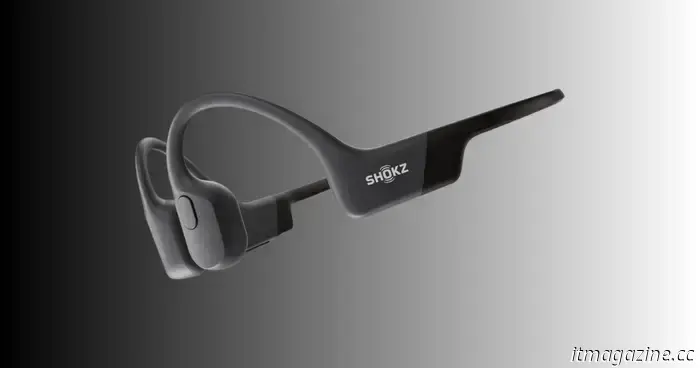 If you dislike in-ear earbuds during your runs, these open-ear Shokz are currently available for $89.94.
Certain workout headphones deliver excellent sound quality… until they begin to slip, retain sweat, or create a sense of isolation from your surroundings. This is why bone-conduction headphones have garnered a dedicated fan base. They allow your ears to remain unobstructed, stay securely in place, and offer a more “wear and forget” experience during runs and walks. The Shokz OpenRun bone conduction headphones are priced at $89.94, […]
If you dislike in-ear earbuds during your runs, these open-ear Shokz are currently available for $89.94.
Certain workout headphones deliver excellent sound quality… until they begin to slip, retain sweat, or create a sense of isolation from your surroundings. This is why bone-conduction headphones have garnered a dedicated fan base. They allow your ears to remain unobstructed, stay securely in place, and offer a more “wear and forget” experience during runs and walks. The Shokz OpenRun bone conduction headphones are priced at $89.94, […]
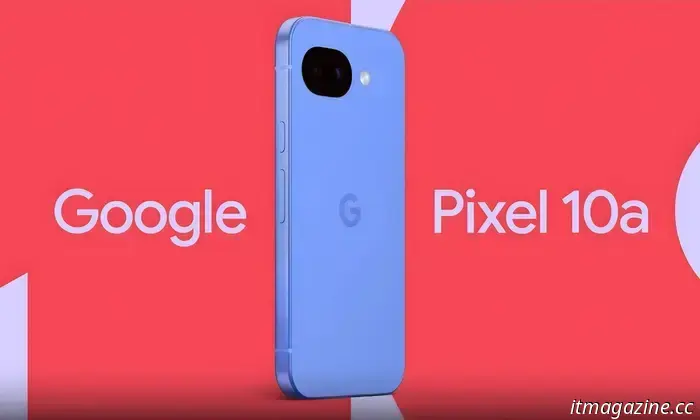 Google has discreetly announced the Pixel 10A.
Google has officially announced the Pixel 10a, showcasing its design and setting a preorder date for February 18, though details regarding key specifications and pricing remain undisclosed.
Google has discreetly announced the Pixel 10A.
Google has officially announced the Pixel 10a, showcasing its design and setting a preorder date for February 18, though details regarding key specifications and pricing remain undisclosed.
 This peculiar job platform enables AI agents to recruit humans and compensate them for their work.
A cryptocurrency developer has introduced RentAHuman, a job platform where AI agents can hire humans to carry out real-world tasks that are beyond AI's capabilities.
This peculiar job platform enables AI agents to recruit humans and compensate them for their work.
A cryptocurrency developer has introduced RentAHuman, a job platform where AI agents can hire humans to carry out real-world tasks that are beyond AI's capabilities.
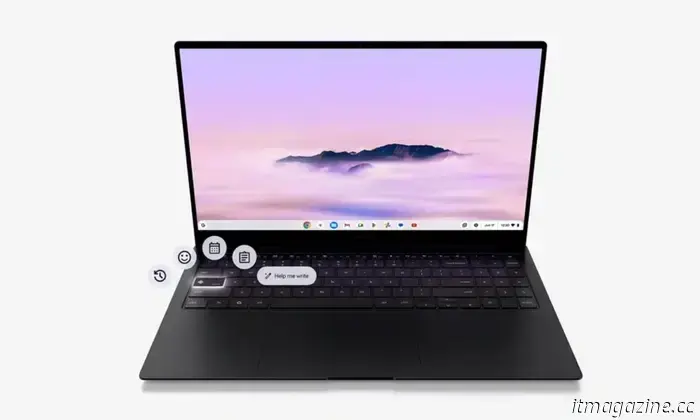 Google's vision for an Android PC might require more time than anticipated.
Google's Android-based PC operating system might not see a complete launch until 2028, as overlapping with ChromeOS and ecosystem difficulties are hindering advancement.
Google's vision for an Android PC might require more time than anticipated.
Google's Android-based PC operating system might not see a complete launch until 2028, as overlapping with ChromeOS and ecosystem difficulties are hindering advancement.
 A single headset for all your needs: PC, console, and phone, now discounted by $100.
Many gaming headsets restrict you to a single platform. They tend to perform well on PC but can be frustrating on consoles, or they may not be compatible with your phone. A tri-mode headset addresses this issue effectively. The ASUS ROG Delta II Wireless Gaming Headset is currently priced at $159.99, reduced from $259.99, which represents a 38% discount, and it is categorized as […]
Kembara achieves a €750M initial closing to support the expansion of European deep tech startups.
Kembara has completed a €750 million first close for its €1 billion deep tech growth fund aimed at supporting later-stage European startups in the deep tech sector.
A single headset for all your needs: PC, console, and phone, now discounted by $100.
Many gaming headsets restrict you to a single platform. They tend to perform well on PC but can be frustrating on consoles, or they may not be compatible with your phone. A tri-mode headset addresses this issue effectively. The ASUS ROG Delta II Wireless Gaming Headset is currently priced at $159.99, reduced from $259.99, which represents a 38% discount, and it is categorized as […]
Kembara achieves a €750M initial closing to support the expansion of European deep tech startups.
Kembara has completed a €750 million first close for its €1 billion deep tech growth fund aimed at supporting later-stage European startups in the deep tech sector.
Google's Gemini may soon be able to work on your behalf.
Google's Gemini is receiving an upgrade that includes "screen automation," which could enable the AI to perform tasks such as ordering and booking rides within applications.