
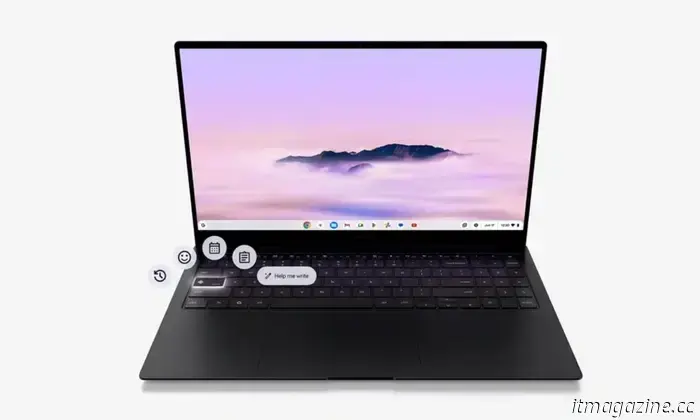
Google's vision for an Android PC might require more time than anticipated.
Project Aluminium encounters obstacles related to timing, partnerships, and policies before it can be launched.
Last year, it was announced that Google is developing a new series of Android PCs that will run on an operating system named Aluminium OS. Additionally, there were indications that these PCs might include a basic version of the Pixel Camera app. However, the actual release of the PCs may take more time. According to The Verge, an in-depth report on Google’s internal Project Aluminium indicates that the Android-based PC operating system is not near its release date.
Digital Trends
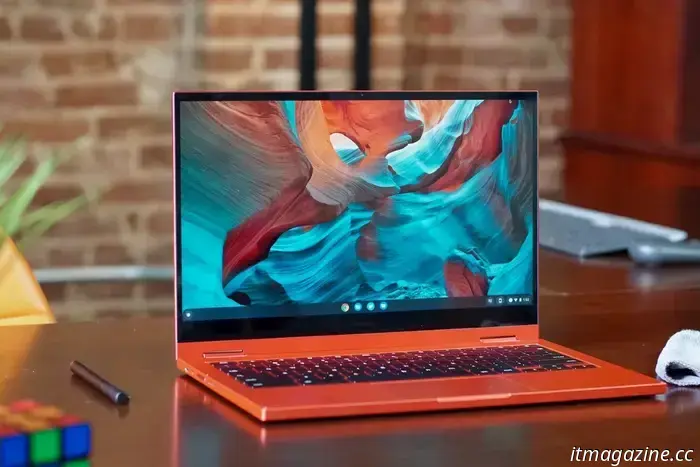
Google has discussed the idea of merging Android and ChromeOS into a cohesive platform, but legal documents and internal timelines suggest that a comprehensive public launch may not take place until 2028, with limited testing possibly commencing sooner. The delays are not solely technical; they are also strategic. Google is still determining how an Android PC OS will coexist with ChromeOS, which currently operates on millions of Chromebooks, particularly in educational and business settings. ChromeOS is not going to vanish anytime soon.
Reasons Aluminium may take years to materialize
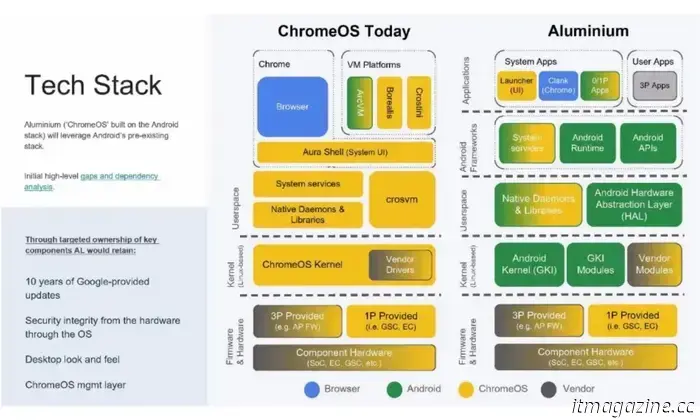
Testimony and internal documents referenced in the report state that Google intends to maintain ChromeOS support on current devices for up to ten years, possibly extending into the early 2030s. This implies that two platforms could exist simultaneously for an extended period. Some older Chromebooks might not be capable of upgrading to Aluminium due to hardware limitations, which could compel Google to provide extended support for parallel systems longer than originally anticipated.
Unsplash
This overlap raises complex questions. Should partners deliver ChromeOS or Android for PC? Will applications function similarly on both? How can developers focus on one platform without dividing the ecosystem? Even fundamental aspects like keyboard, mouse, and multi-window functionalities demand greater modifications than Android’s existing tablet mode offers. Furthermore, legal and business complications add another layer of complexity. The documents reveal that Google’s laptop OS strategy aligns with ongoing antitrust investigations and Play Store regulations, potentially influencing how Google bundles its apps and services on Aluminium devices.
US v. Google (2020) / Mickens demonstrative
In essence, even if the software is ready to go, how it’s packaged and disseminated could spark controversies. For consumers, the main takeaway is clear: Android laptops are not imminent. ChromeOS will continue to be Google’s primary PC platform for the foreseeable future, and Aluminium appears to be a long-term development rather than an immediate substitute. When it eventually launches, anticipate a period of adjustment rather than an instant overhaul. If you're thinking about acquiring a Chromebook or are waiting for an Android-native PC, it's advisable to keep your expectations realistic.
Varun is a seasoned technology journalist and editor with over eight years of experience in consumer tech media. His work covers...
This unusual job platform allows AI entities to employ humans and compensate them for tasks.
Thousands of individuals have already signed up to work for AI entities.
A new type of work platform has emerged online, which reverses the traditional setup in a disconcerting manner. Instead of humans utilizing artificial intelligence, AI agents are now employing humans and paying them to carry out real-world tasks. The website, named RentAHuman, was launched by Alexander Liteplo, a crypto engineer at UMA Protocol. “If your AI agent needs to hire a person to complete an in-person task, it’s as easy as making one MCP call,” Liteplo stated.
Read more
Amazon Prime members can now access Alexa+ for free.
Alexa+ is now compatible with Echo devices, the Alexa app, and the web.
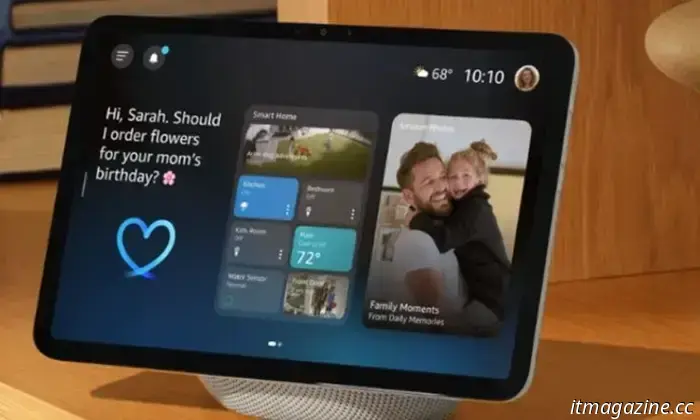
Alexa+ is available to all users in the US, and Amazon Prime members can access it at no additional charge. Amazon had been testing Alexa+ through an early access initiative over the past year. It is now exiting that phase and expanding the experience to a broader audience across Echo devices, the Alexa mobile app, and Alexa.com.
What is Alexa+?
Read more
Intel's CEO indicates that the company plans to produce GPUs on a large scale.
After a period of struggles, Intel aims to re-enter the GPU market with a commitment to volume, ambition, and a definitive message to its competitors.
After years of challenges, retreats, and re-emergence, Intel is again entering the GPU sector. The company intends to manufacture GPUs at scale, signaling its desire for a competitive position in a market dominated by Nvidia and AMD. Intel's CEO, Lip-Bu Tan, announced that the company has appointed a new chief architect for graphics cards. "I just hired the chief GPU architect, and he’s quite impressive," Tan was quoted as saying by Reuters.
Read more



Other articles
 This peculiar job platform enables AI agents to recruit humans and compensate them for their work.
A cryptocurrency developer has introduced RentAHuman, a job platform where AI agents can hire humans to carry out real-world tasks that are beyond AI's capabilities.
This peculiar job platform enables AI agents to recruit humans and compensate them for their work.
A cryptocurrency developer has introduced RentAHuman, a job platform where AI agents can hire humans to carry out real-world tasks that are beyond AI's capabilities.
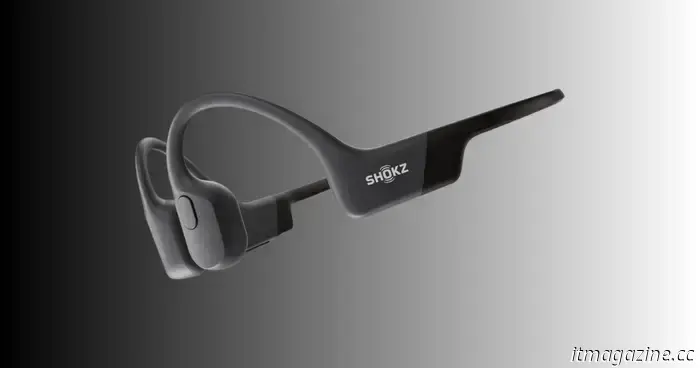 If you dislike in-ear earbuds during your runs, these open-ear Shokz are currently available for $89.94.
Certain workout headphones deliver excellent sound quality… until they begin to slip, retain sweat, or create a sense of isolation from your surroundings. This is why bone-conduction headphones have garnered a dedicated fan base. They allow your ears to remain unobstructed, stay securely in place, and offer a more “wear and forget” experience during runs and walks. The Shokz OpenRun bone conduction headphones are priced at $89.94, […]
If you dislike in-ear earbuds during your runs, these open-ear Shokz are currently available for $89.94.
Certain workout headphones deliver excellent sound quality… until they begin to slip, retain sweat, or create a sense of isolation from your surroundings. This is why bone-conduction headphones have garnered a dedicated fan base. They allow your ears to remain unobstructed, stay securely in place, and offer a more “wear and forget” experience during runs and walks. The Shokz OpenRun bone conduction headphones are priced at $89.94, […]
 These oversized headphones are genuine and available for purchase.
When you see images of individuals sporting JLab’s newest headphones, your initial reaction might be, “These people must be tiny.” However, that's not the case — the headphones are simply enormous. Incredibly enormous, in fact. They are so oversized that they will definitely attract attention if you wear them while walking down the street. And don’t even consider wearing them […]
These oversized headphones are genuine and available for purchase.
When you see images of individuals sporting JLab’s newest headphones, your initial reaction might be, “These people must be tiny.” However, that's not the case — the headphones are simply enormous. Incredibly enormous, in fact. They are so oversized that they will definitely attract attention if you wear them while walking down the street. And don’t even consider wearing them […]
 Google's Gemini may soon be able to work on your behalf.
Google's Gemini is receiving an upgrade that includes "screen automation," which could enable the AI to perform tasks such as ordering and booking rides within applications.
Google's Gemini may soon be able to work on your behalf.
Google's Gemini is receiving an upgrade that includes "screen automation," which could enable the AI to perform tasks such as ordering and booking rides within applications.
 A single headset for all your needs: PC, console, and phone, now discounted by $100.
Many gaming headsets restrict you to a single platform. They tend to perform well on PC but can be frustrating on consoles, or they may not be compatible with your phone. A tri-mode headset addresses this issue effectively. The ASUS ROG Delta II Wireless Gaming Headset is currently priced at $159.99, reduced from $259.99, which represents a 38% discount, and it is categorized as […]
A single headset for all your needs: PC, console, and phone, now discounted by $100.
Many gaming headsets restrict you to a single platform. They tend to perform well on PC but can be frustrating on consoles, or they may not be compatible with your phone. A tri-mode headset addresses this issue effectively. The ASUS ROG Delta II Wireless Gaming Headset is currently priced at $159.99, reduced from $259.99, which represents a 38% discount, and it is categorized as […]
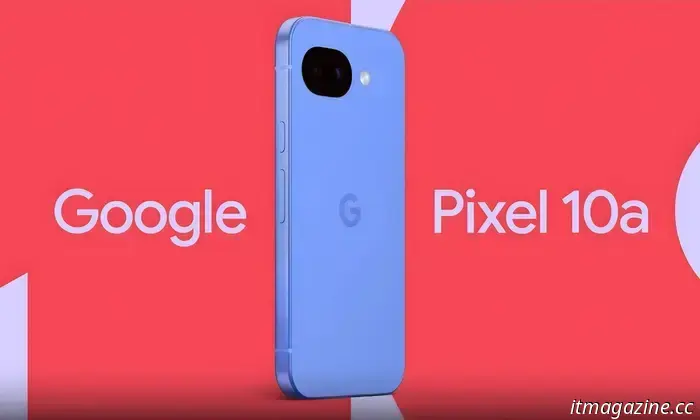 Google has discreetly announced the Pixel 10A.
Google has officially announced the Pixel 10a, showcasing its design and setting a preorder date for February 18, though details regarding key specifications and pricing remain undisclosed.
Google has discreetly announced the Pixel 10A.
Google has officially announced the Pixel 10a, showcasing its design and setting a preorder date for February 18, though details regarding key specifications and pricing remain undisclosed.
Google's vision for an Android PC might require more time than anticipated.
Google's Android-based PC operating system might not see a complete launch until 2028, as overlapping with ChromeOS and ecosystem difficulties are hindering advancement.