

The persistent memory crisis, coupled with panel shortages, may lead to an increase in TV prices.
The crisis regarding memory shortages has already begun to affect smartphones, and it will likely have a ripple effect on other consumer electronics, including televisions and potentially other home appliances.
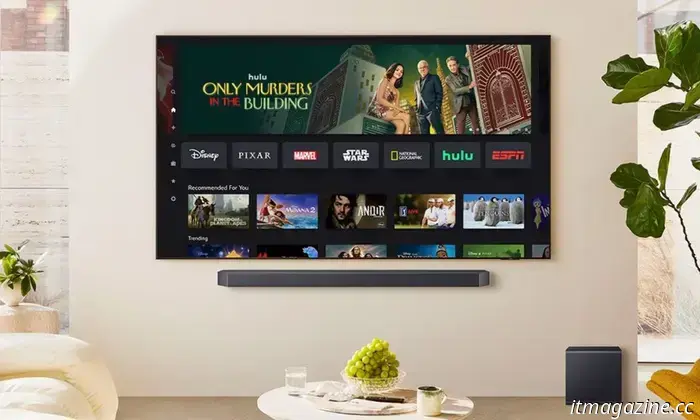
During CES 2026, TM Roh, co-CEO of Samsung, informed Reuters that “no company is exempt” from the global memory chip shortage. As Samsung's smart TVs, particularly the premium models, utilize a significant amount of memory, the increase in component costs may soon be reflected in their prices.
Samsung
The reduction in LCD panel production is creating additional cost pressures.
Additionally, LCD panel manufacturers are experiencing reduced output in relation to demand. A recent report from The Elec indicated that leading Chinese panel makers, such as HKC, BOE, and CSOT, “plan to halt operations” at their factories next month to “lower labor costs” and “alleviate inventory burdens.”
This may result in a decline in the number of panels produced. The drop in supply for LCD screens (3.8%) is more than double the reduction in overall demand (1.8%), possibly leading to a constrained market for panels in the first quarter of 2026.
The proactive accumulation of components like memory and display panels by smartphone and television manufacturers could further contribute to an unavoidable price increase. Although this initial bulk purchasing may help stabilize prices and production short-term, once the inventory runs out, manufacturers may find themselves in a tighter market.
This situation could lead to increased production a few months into 2026, if not as early as January, and ultimately result in higher prices for finished TVs. A recent report from TrendForce anticipates that “TV panel prices are likely to trend upward in January,” with the costs for 32-inch, 43-inch, 55-inch, and 65-inch panels “expected to rise by US$1.”
TCL / Digital Trends
While this may seem minor, the report notes that TV panel prices are “set to enter an upcycle” starting in the first quarter of 2026, and that production cuts in February could “further elevate LCD monitor prices.” Given that LCD panels represent approximately 95% of global TV shipments, even a small increase in panel costs could impact the entire industry across various price segments and regions.
It appears that the long-standing period of continuously decreasing television prices might be approaching a temporary halt. Factors such as rising memory prices, planned reductions in production, and manufacturers accumulating greater pre-built inventory are causing cost pressures that are not yet apparent in the supply chain, but are undoubtedly accumulating.
While television prices may not rise instantly, if component shortages continue past the first quarter, companies may pass on the increased manufacturing costs to consumers through a slight price increase. We will gain further insight into this as the new wave of televisions from manufacturers like Samsung and LG, which were unveiled at CES 2026, enters the market in a few months.

Other articles
 Samsung's Ballie robot will not be making its way into your home, after all.
Six years after initially presenting its Ballie robot, Samsung has reportedly put the project on hold.
Samsung's Ballie robot will not be making its way into your home, after all.
Six years after initially presenting its Ballie robot, Samsung has reportedly put the project on hold.
 Get a discount of $350 on a Legion gaming desktop featuring an RTX 5070 and 32GB of RAM.
If you've been looking for a prebuilt system that doesn’t require sacrifices on the two critical components for gaming: the CPU and GPU, this deal is noteworthy. The Lenovo Legion Tower 5 is now available for $1,529.99, reduced from $1,879.99, giving you a savings of $350. In today's PC market, it's uncommon to find a setup built around […]
Get a discount of $350 on a Legion gaming desktop featuring an RTX 5070 and 32GB of RAM.
If you've been looking for a prebuilt system that doesn’t require sacrifices on the two critical components for gaming: the CPU and GPU, this deal is noteworthy. The Lenovo Legion Tower 5 is now available for $1,529.99, reduced from $1,879.99, giving you a savings of $350. In today's PC market, it's uncommon to find a setup built around […]
 This sale on Netgear routers is an excellent opportunity to upgrade your home WiFi affordably.
If your home WiFi performs well until multiple users log on simultaneously, upgrading your router is one of the fastest ways to improve your experience. The Netgear Nighthawk RAX70 8-stream WiFi 6 router is now priced at $124.97, down from $379.99, offering a savings of $255.02, which is a 67% discount. That’s a significant enough reduction that it makes...
This sale on Netgear routers is an excellent opportunity to upgrade your home WiFi affordably.
If your home WiFi performs well until multiple users log on simultaneously, upgrading your router is one of the fastest ways to improve your experience. The Netgear Nighthawk RAX70 8-stream WiFi 6 router is now priced at $124.97, down from $379.99, offering a savings of $255.02, which is a 67% discount. That’s a significant enough reduction that it makes...
 You can now access three of Gmail's top AI features at no cost.
Google has started providing essential AI features powered by Gemini in Gmail, such as Help Me Write, Suggested Replies, and email summaries, free of charge to Google account holders in the United States.
You can now access three of Gmail's top AI features at no cost.
Google has started providing essential AI features powered by Gemini in Gmail, such as Help Me Write, Suggested Replies, and email summaries, free of charge to Google account holders in the United States.
 Disney+ is about to resemble the experience of endlessly scrolling through social media on your phone.
This year, Disney+ aims to launch vertical videos, merging streaming with social media-like scrolling in an effort to maintain daily user engagement and compete with platforms that currently lead in mobile-first viewing trends.
Disney+ is about to resemble the experience of endlessly scrolling through social media on your phone.
This year, Disney+ aims to launch vertical videos, merging streaming with social media-like scrolling in an effort to maintain daily user engagement and compete with platforms that currently lead in mobile-first viewing trends.
 The Powerbeats Pro 2 are currently discounted by $50, bringing the price down to $199.99.
If your earbuds fall out while running or if you’ve had to reposition them during a workout, you understand the need for Powerbeats. The Beats Powerbeats Pro 2 true wireless earbuds with active noise cancelation are currently priced at $199.99 (compared to $249.99), giving you a $50 savings. While it's not the largest discount available, it’s still worth noting.
The Powerbeats Pro 2 are currently discounted by $50, bringing the price down to $199.99.
If your earbuds fall out while running or if you’ve had to reposition them during a workout, you understand the need for Powerbeats. The Beats Powerbeats Pro 2 true wireless earbuds with active noise cancelation are currently priced at $199.99 (compared to $249.99), giving you a $50 savings. While it's not the largest discount available, it’s still worth noting.
The persistent memory crisis, coupled with panel shortages, may lead to an increase in TV prices.
The worldwide memory shortage is starting to extend beyond smartphones. Coupled with limitations in panel supply and changes in inventory, manufacturers might experience increasing pressure that could impact TV prices in 2026.