
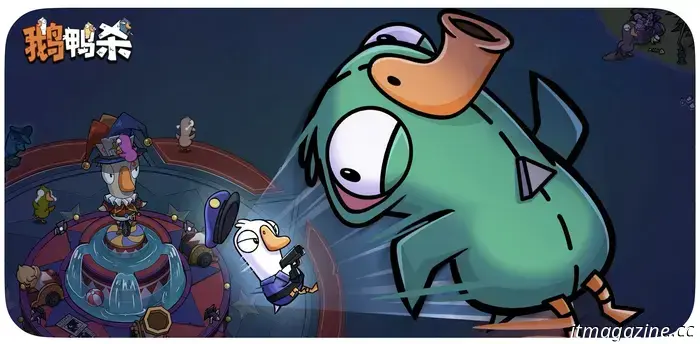
Goose Goose Duck mobile experiences crashes on the first day of its release in China, leading to multiple apologies.
Credit: Goose Goose Duck
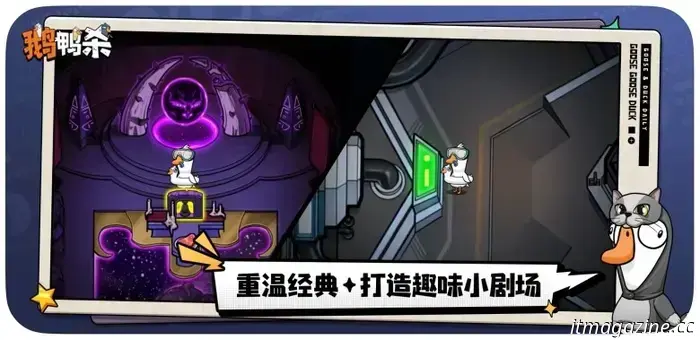
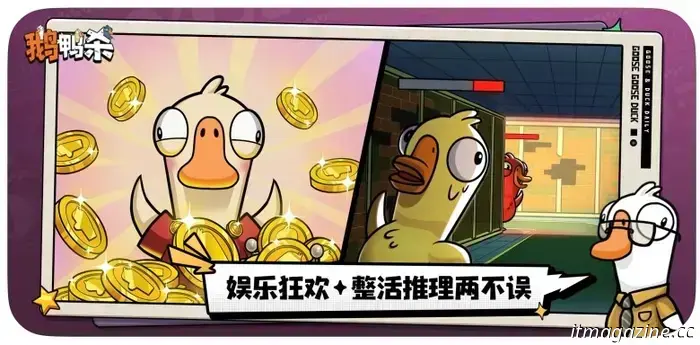
On Wednesday, the mobile version of Goose Goose Duck in China was launched across all platforms but faced immediate server crashes due to an overwhelming influx of players on its first day. Many users experienced disconnections and login issues, while scalpers were observed reselling game IDs at inflated prices. This situation quickly sparked extensive online discussions in China, with the hashtag #Goose Goose Duck servers down# trending on Weibo.
The servers crashed on two occasions, impacting the gaming experience. Player feedback indicated that after the launch, the game’s servers frequently lagged and disconnected players, with some being kicked out during crucial matches. In certain instances, the system incorrectly identified these players as idling, resulting in penalties against their reputation scores, prompting numerous complaints.
In response, the operators, Kingsoft Shiyou and exclusive distributor Huya Live, stated that server demand had surpassed expectations, and their technical teams were working urgently to increase capacity.
The game team issued two apologies and announced additional compensation. On Wednesday evening, they released their first apology, assuring players that they would receive in-game virtual coins and items as compensation, which would be sent to players' in-game mailboxes once the servers stabilized. However, after repair efforts did not meet expectations, a second apology was issued later that night, which included adding game skins to the compensation and confirming that the wrongly deducted reputation points would be restored in a future update.
Technical issues reemerged during the China launch, marking this as not the first instance of server problems for Goose Goose Duck. Earlier in 2023, the game’s Steam servers experienced two crashes due to an influx of Chinese players, with the development team acknowledging their underestimation of player growth. Prior to the China mobile launch, the game team resolved issues such as payment errors and voice chat bugs but did not fully anticipate the effects of heavy traffic on their systems, highlighting vulnerabilities in their technical framework.
Moving forward, the game team expressed their commitment to optimizing server performance. Based on past patch cycles, they expect stability to be restored within three days. As a highly social, real-time interactive game that requires heavy concurrency, Goose Goose Duck’s servers must manage multiple simultaneous loads, including voice communication, game logic processing, and animation rendering. Domestic developers often struggle with handling traffic surges of viral proportions, facing issues such as inadequate system architecture redundancy and incomplete cross-region disaster recovery systems.
Balancing viral success with user experience has become a significant challenge for the industry. Developers need to establish standardized processes for stress testing, elastic scaling, and phased releases, simulating millions of concurrent users to identify potential vulnerabilities beforehand. Simultaneously, methods like server sharding and dynamic migration should be considered to automatically assign players to the best server based on their location or adjust resources in real time during matches to avoid localized overloads.
Jessie Wu is a tech reporter based in Shanghai, covering consumer electronics, semiconductors, and the gaming industry for TechNode. You can contact her via e-mail at [email protected]. More by Jessie Wu
Other articles
 AI company MiniMax, supported by MiHoYo, experiences a successful debut in Hong Kong, with its market valuation exceeding $11.5 billion.
Shares of MiniMax, an AI company supported by the Chinese gaming developer MiHoYo, skyrocketed over 70% during their trading debut in Hong Kong on Thursday, momentarily leading to
AI company MiniMax, supported by MiHoYo, experiences a successful debut in Hong Kong, with its market valuation exceeding $11.5 billion.
Shares of MiniMax, an AI company supported by the Chinese gaming developer MiHoYo, skyrocketed over 70% during their trading debut in Hong Kong on Thursday, momentarily leading to
 These $350 OnePlus smartphones feature larger batteries than those of the Galaxy S25 and iPhone 17 combined.
Affordable OnePlus smartphones are now equipped with batteries that are almost double the capacity of their high-end competitors, showcasing the significant advancements in battery technology across different markets.
These $350 OnePlus smartphones feature larger batteries than those of the Galaxy S25 and iPhone 17 combined.
Affordable OnePlus smartphones are now equipped with batteries that are almost double the capacity of their high-end competitors, showcasing the significant advancements in battery technology across different markets.
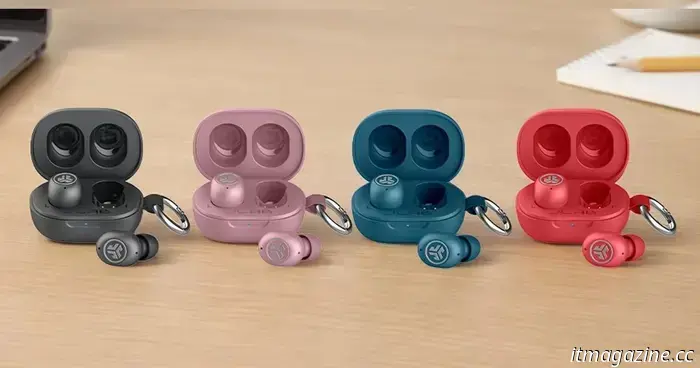 Here’s What You Can Expect from JLab’s New Tiny ANC Earbuds
JLab introduced ultra-compact ANC earbuds, an updated work headset, and new color options for open-ear designs, emphasizing everyday practicality, affordability, and contemporary audio features.
Here’s What You Can Expect from JLab’s New Tiny ANC Earbuds
JLab introduced ultra-compact ANC earbuds, an updated work headset, and new color options for open-ear designs, emphasizing everyday practicality, affordability, and contemporary audio features.
 Rokid is offering a more affordable option for wearable control in smart glasses compared to Meta.
Rokid is combining its display-less smart glasses with Mudra’s neural wristband to provide wearable, touch-free control at a much more affordable price compared to Meta’s smart glasses and Neural Band.
Rokid is offering a more affordable option for wearable control in smart glasses compared to Meta.
Rokid is combining its display-less smart glasses with Mudra’s neural wristband to provide wearable, touch-free control at a much more affordable price compared to Meta’s smart glasses and Neural Band.
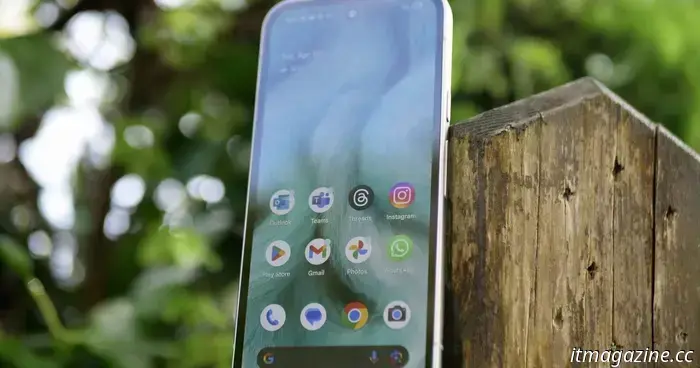 The native app lock on Android 17 might also conceal notifications from apps that are locked.
Google is moving nearer to introducing a built-in app lock feature in Android 17. Recent discoveries from early versions indicate how apps that are locked will manage notifications and access to system functions.
The native app lock on Android 17 might also conceal notifications from apps that are locked.
Google is moving nearer to introducing a built-in app lock feature in Android 17. Recent discoveries from early versions indicate how apps that are locked will manage notifications and access to system functions.
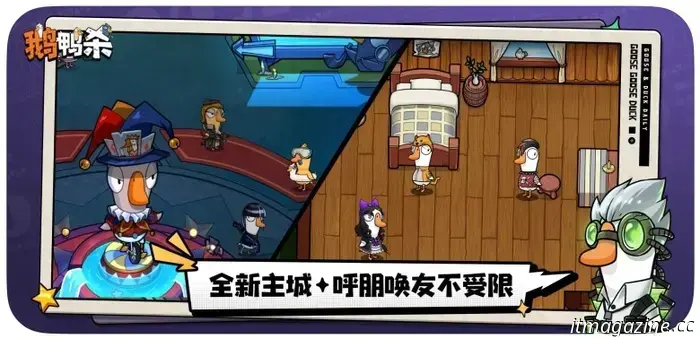
Goose Goose Duck mobile experiences crashes on the first day of its release in China, leading to multiple apologies.
The mobile version of Goose Goose Duck for China was released on all platforms on Wednesday but encountered server crashes shortly after launch.