
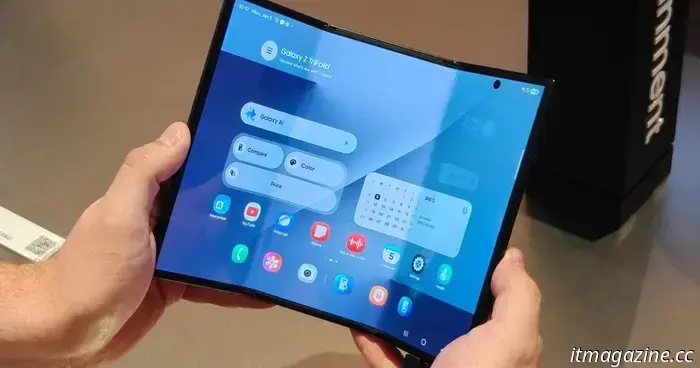
I’ve tried the Galaxy TriFold, and it addresses a foldable phone problem I didn't realize I had.
When Samsung finally unveiled its dual-hinged foldable phone near the end of 2025, I must admit I was intrigued. As an owner of the Pixel 9 Pro Fold, I've embraced the foldable phone trend, so the TriFold was bound to capture my interest.
I was thrilled to have the opportunity to experience the Galaxy TriFold firsthand at CES 2026, giving me a glimpse of Samsung's latest foldable innovation.
However, this isn't my first encounter with a tri-fold device; I briefly tested the Huawei Mate XT about a year ago. The significant distinction between the two is that the TriFold will be available for purchase in the U.S.
Indeed, this futuristic phone is set to launch in the first quarter of 2026, which has made me realize that my current foldable phone doesn't fulfill my expectations.
A foldable screen worth having
I primarily unfold my Pixel 9 Pro Fold when I want to stream videos during my commute or while traveling, and I appreciate the extra screen space it offers, providing a more enjoyable viewing experience.
Yet, as I carefully unfolded the Galaxy TriFold and opened YouTube to watch some 4K videos, it became clear that my Pixel foldable wasn't offering the experience I actually sought.
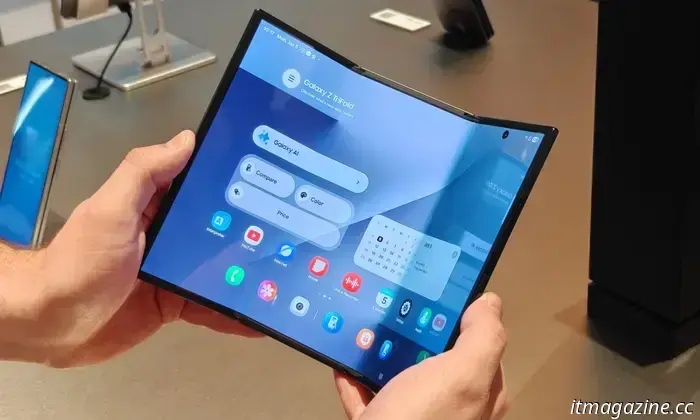
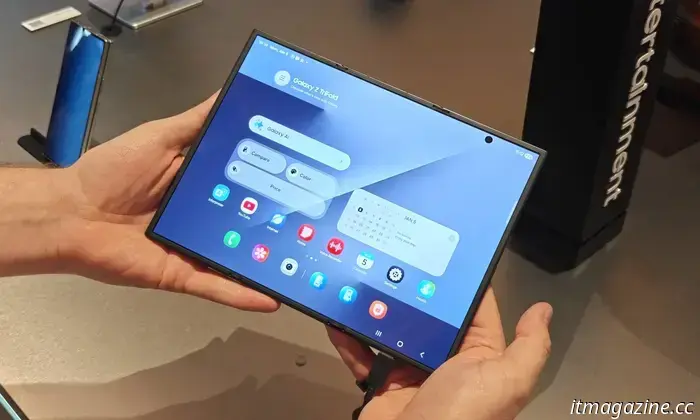
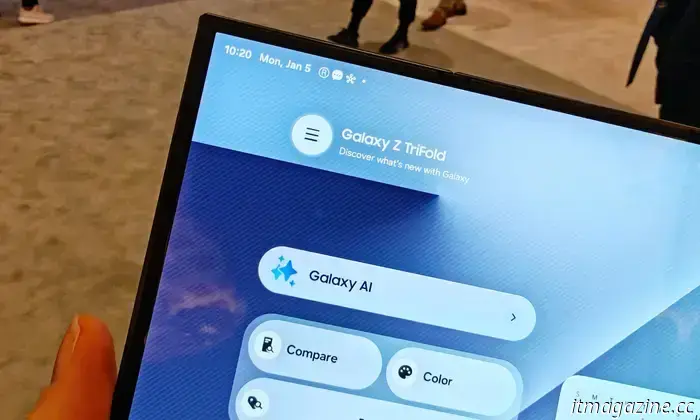
When opened, the Galaxy TriFold offers a generous 10-inch screen, surpassing the 8-inch screen of my Pixel, as well as the Galaxy Z Fold 7 and the Pixel 10 Pro Fold.
While having an even larger screen that fits in my pocket is an obvious advantage, the real transformative element is the aspect ratio enabled by this dual-hinge design.
The TriFold's internal display features a 4:3 aspect ratio, which is much more optimized for video content than the 1:1 aspect ratio of the traditional book-style foldables mentioned earlier.
This design minimizes the black bars surrounding the content, allowing for significantly larger video playback compared to the cover screen. On my Pixel, while the internal display does allow me to watch Scrubs at a marginally larger size than the cover screen, the square aspect ratio results in a considerable portion of the display being just black.
This change makes a significant difference; it truly feels like you're viewing content on a much larger screen. It turns out I was somewhat deceiving myself with the Pixel 9 Pro Fold, and the TriFold has opened my eyes.
However, there are some downsides.
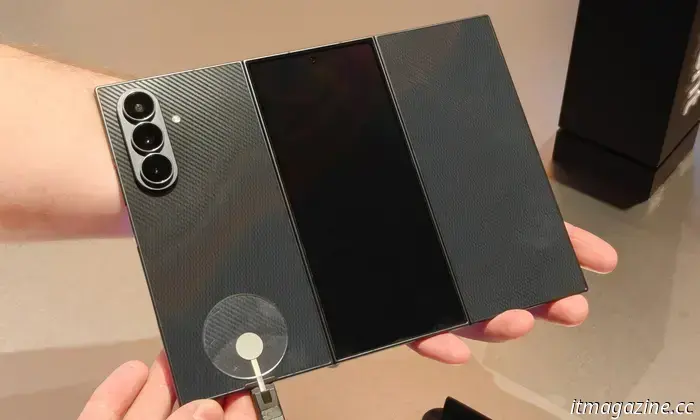
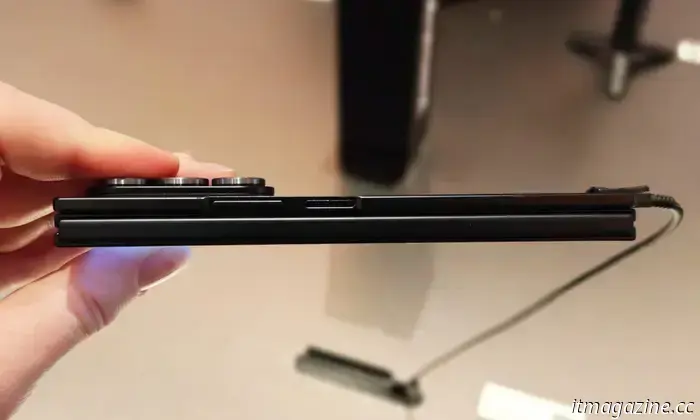
With the added screen space and two hinges, the Galaxy TriFold is quite thick when folded, measuring 12.9mm. For comparison, both Apple’s iPhone 17 Pro and 17 Pro Max are 8.8mm, while Samsung’s Z Fold 7 is only slightly thicker at 8.9mm.
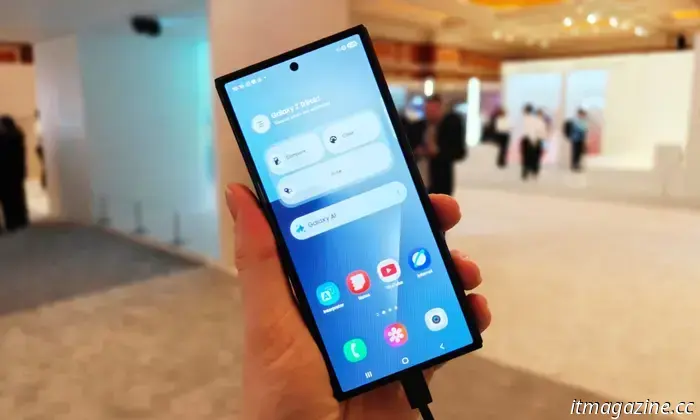
This means you'll need ample pocket space to comfortably carry the TriFold, and it can feel bulky when held with one hand.
Additionally, it weighs 309g, making prolonged one-handed use less appealing. For those with smaller hands, the TriFold might feel cumbersome when folded.
Then there's the price. While a U.S. price for the Galaxy TriFold has not yet been established, converting the South Korean price of 3,594,000 KRW (the phone is already on sale in Samsung's home country) could mean approximately $2,500.
The price may increase further once import duties and local taxes are included, likely putting the TriFold out of reach for many consumers.
Nevertheless, it remains impressive.
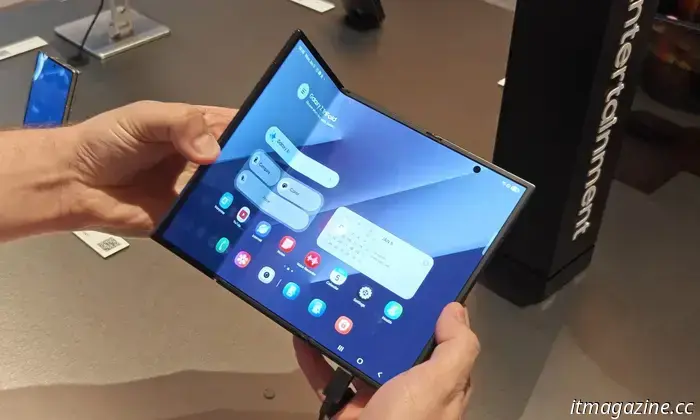
I find the TriFold's durability commendable; it feels surprisingly robust when unfolded. The hinges produce a satisfying snap when fully opened, and the frame maintains its rigidity.
While it is still more fragile than traditional smartphones, I felt comfortable opening and closing it and would wager it could endure a couple of drops without much issue (although any drop carries the risk of damage).
For a first-generation device of this design, Samsung has crafted an impressive foldable that fulfills its primary promise – a 10-inch tablet screen that conveniently fits in your pocket.
Though it will undoubtedly carry a high price tag when it launches in the upcoming months, the Galaxy TriFold sets an exciting precedent for future iterations of large folding displays.
Samsung also unveiled a massive 130-inch Micro RGB TV at CES, emphasizing its commitment to integrating AI across its products.
Other articles
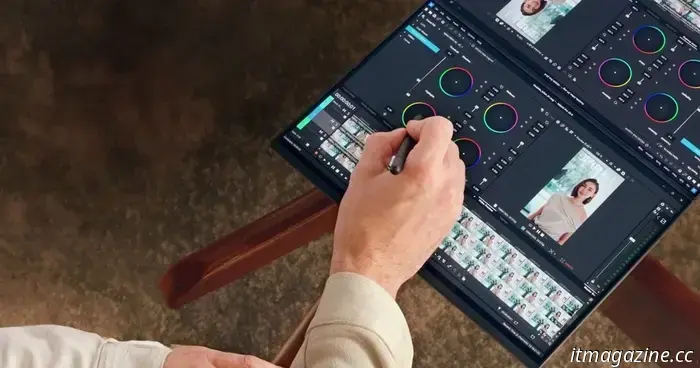 The reduced hinge gap on your Zenbook Duo creates a more seamless experience between the dual screens.
Asus is enhancing the dual-screen design of the Zenbook Duo by implementing a more refined hideaway hinge and reducing the gap to 8.28 mm. This modification is intended to create a more cohesive workspace experience with the two displays.
The reduced hinge gap on your Zenbook Duo creates a more seamless experience between the dual screens.
Asus is enhancing the dual-screen design of the Zenbook Duo by implementing a more refined hideaway hinge and reducing the gap to 8.28 mm. This modification is intended to create a more cohesive workspace experience with the two displays.
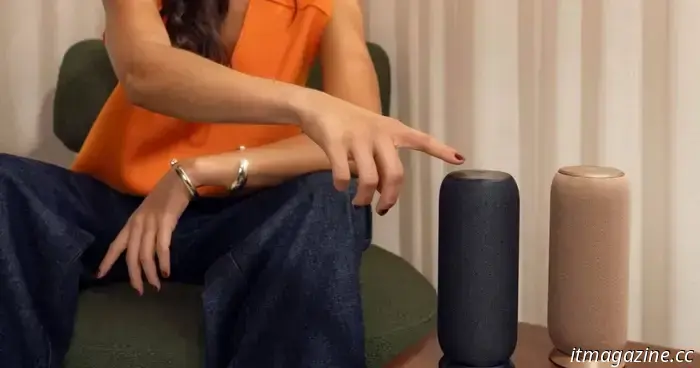 The Moto Sound Flow speaker cleverly utilizes UWB technology to provide you with an immersive listening experience.
Motorola's latest portable speaker provides high-quality sound and numerous innovative features for €199.
The Moto Sound Flow speaker cleverly utilizes UWB technology to provide you with an immersive listening experience.
Motorola's latest portable speaker provides high-quality sound and numerous innovative features for €199.
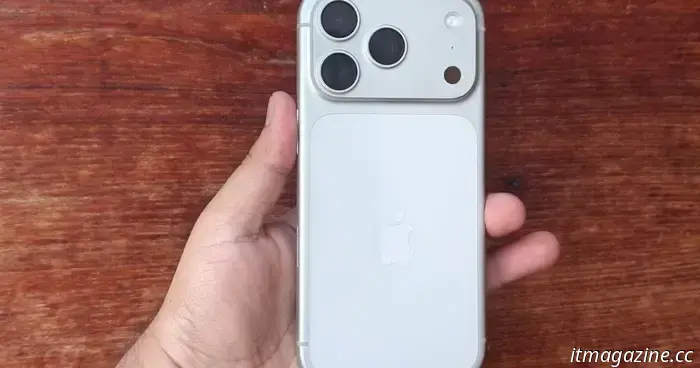 Apple is working on a significant upgrade for the iPhone camera, but it will take several years to be realized.
Apple might eventually introduce a 200MP camera to the iPhone, but recent reports suggest that this ambitious enhancement is still a long way off, with the earliest expected debut not until the end of the decade.
Apple is working on a significant upgrade for the iPhone camera, but it will take several years to be realized.
Apple might eventually introduce a 200MP camera to the iPhone, but recent reports suggest that this ambitious enhancement is still a long way off, with the earliest expected debut not until the end of the decade.
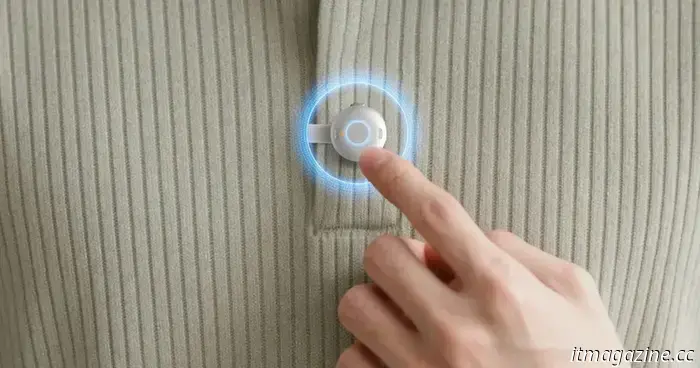 This recorder, about the size of a coin, aims to take note of your meetings for you.
Unveiled at CES 2026, Soundcore's Work recorder offers precise AI transcription and summaries in a compact, wearable design, complete with Find My capabilities and considerate privacy features.
This recorder, about the size of a coin, aims to take note of your meetings for you.
Unveiled at CES 2026, Soundcore's Work recorder offers precise AI transcription and summaries in a compact, wearable design, complete with Find My capabilities and considerate privacy features.
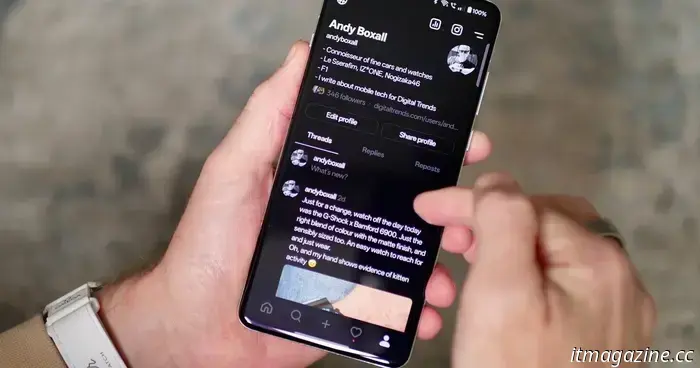 You may soon have the opportunity to play mini games within Threads DMs.
Meta is said to be experimenting with a new feature that will allow Threads users to engage in mini games within direct messages.
You may soon have the opportunity to play mini games within Threads DMs.
Meta is said to be experimenting with a new feature that will allow Threads users to engage in mini games within direct messages.
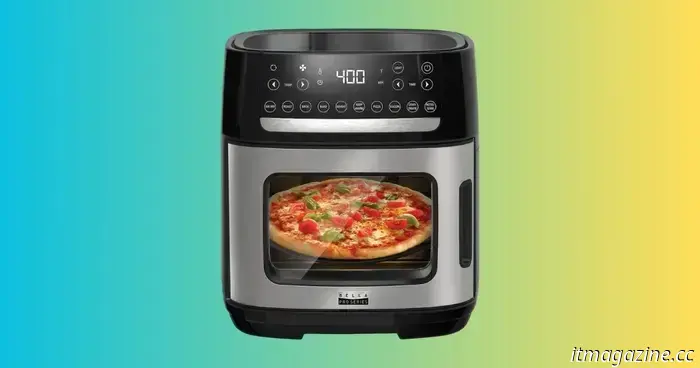 This air fryer deal priced under $70 is ideal for those who prepare meals for multiple people.
If your goal for 2026 is to cook at home more (without having to do dishes every night and wait for the oven), a large air fryer is one of the simplest enhancements you can invest in. The Bella PRO 12.6-qt touchscreen air fryer pizza oven with rotisserie is now priced at $69.99, giving you a savings of $110 from the original price of $179.99.
This air fryer deal priced under $70 is ideal for those who prepare meals for multiple people.
If your goal for 2026 is to cook at home more (without having to do dishes every night and wait for the oven), a large air fryer is one of the simplest enhancements you can invest in. The Bella PRO 12.6-qt touchscreen air fryer pizza oven with rotisserie is now priced at $69.99, giving you a savings of $110 from the original price of $179.99.
I’ve tried the Galaxy TriFold, and it addresses a foldable phone problem I didn't realize I had.
The real game changer in this case isn't the dimensions of the folding screen, but rather the aspect ratio.