
Ford is developing an AI assistant that understands your vehicle thoroughly.
It will enable you to do more than merely manage the air conditioning or open the sunroof.
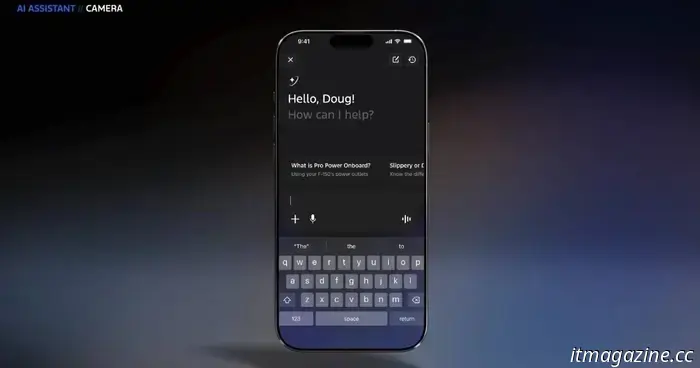
Ford is developing a new AI assistant for its vehicles that extends beyond simple functions like adjusting the AC or operating the sunroof. At CES, the company revealed some details, indicating that the assistant will provide a more cohesive AI experience with an enhanced comprehension of both the vehicle and the driver's requirements.
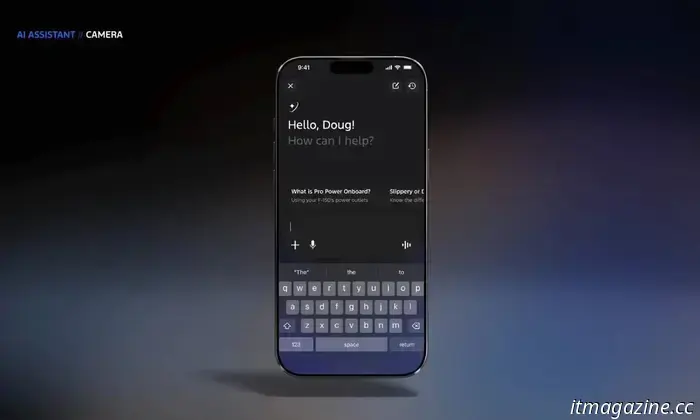
Ford’s demonstration features a chat interface similar to ChatGPT or Gemini, allowing drivers to engage with the assistant via text or voice. Example prompts displayed in the interface indicate that the assistant will have the capacity to address vehicle-specific inquiries, such as “What is Pro Power Onboard?”
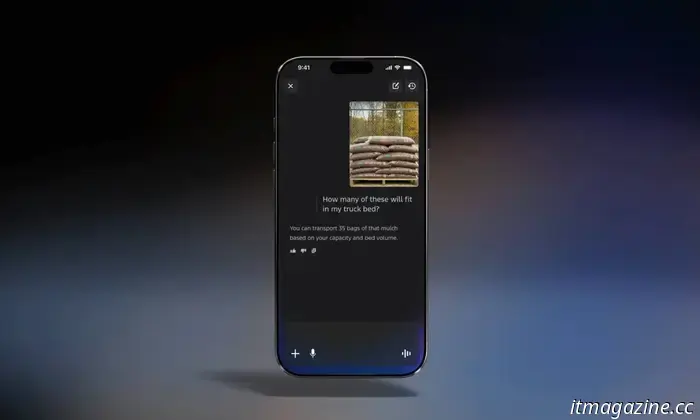
The interface will also feature an attachment menu enabling users to take images or attach photos from their gallery while asking related questions. For example, a driver might take a picture of bags of mulch and inquire about how many can fit in the truck bed, with the assistant analyzing the photo and responding based on their model’s capacity and bed volume.
Ford emphasizes that its AI assistant “isn’t merely another LLM or a software tool” that users interact with occasionally. Instead, the company positions it “as an intelligent thread seamlessly integrated into every aspect” of a Ford owner’s experience, possessing a profound understanding of their particular vehicle and needs.
Ford aims to launch its AI assistant via its mobile app in the first half of 2026.
The Ford AI assistant will initially be available through the Ford and Lincoln apps in the first half of 2026, with plans for in-vehicle integration in new Ford and Lincoln models scheduled for 2027. The company has not yet specified which models will first receive this native integration.
Furthermore, Ford has not disclosed all of the assistant’s features or fully described the in-car experience. More details are expected to be released closer to the in-app launch.
Pranob is an experienced tech journalist with more than eight years of experience in covering consumer technology. His work has been…
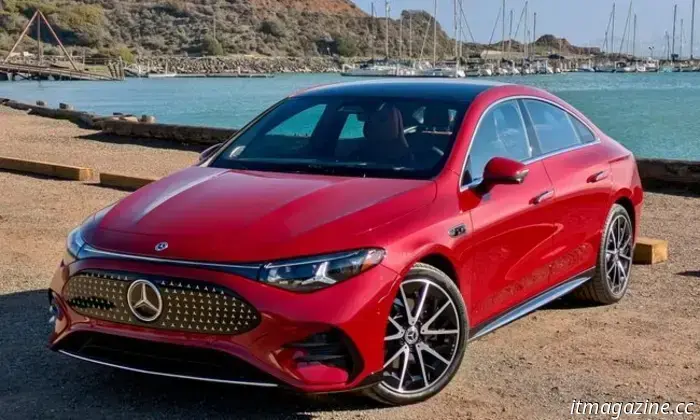
It may be entry-level, but the Mercedes CLA is an electric vehicle (EV) disruptor.
The legacy of innovation at Mercedes-Benz dates back to the creation of the automobile itself. Throughout much of that history, innovation has often been linked with exclusivity. Mercedes typically unveils new technology in its most expensive vehicles first, allowing it to gradually filter down to more affordable options after some of the development expenses have been recouped. Now, the world’s oldest automaker is entering a more inclusive era.
Mercedes initially employed its usual strategy with its EQ-series EVs, debuting the EQS sedan and subsequently releasing additional models. However, those vehicles did not perform well, prompting Mercedes to rethink its approach. The 2026 Mercedes-Benz CLA-Class — which serves as the automaker’s entry-level model for the United States — will debut as an EV (a hybrid version will also be available) and will set the technological standard for upcoming models.
This post is presented in partnership with Ottocast.
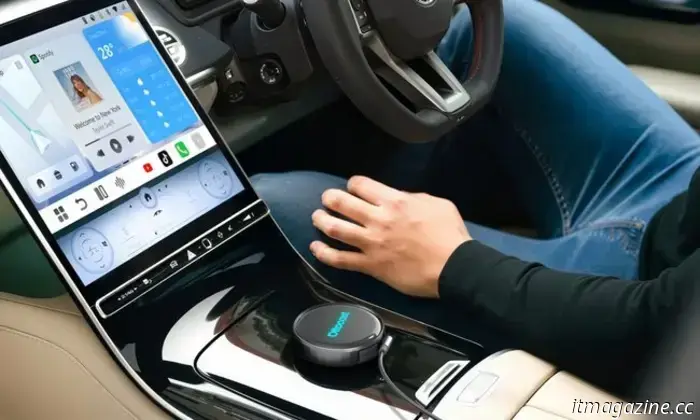
Ottocast's new OttoAibox P3 Pro is a compact device that converts your car into a smart mobile living area.
Recent research suggests that your car’s touchscreen might be more distracting than you realize.
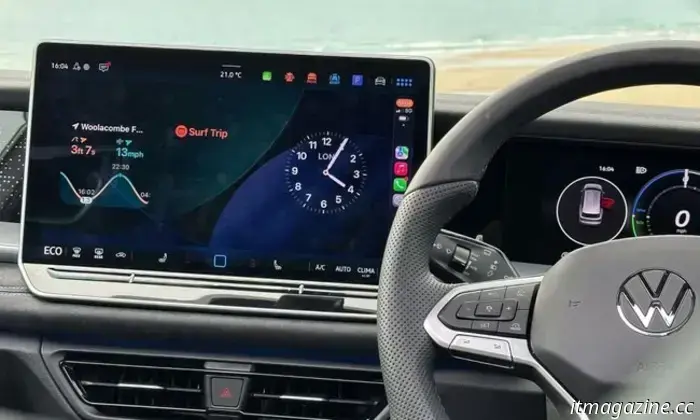
A recent study conducted by the University of Washington (UW) and the Toyota Research Institute (TRI) has found that the increasingly prevalent touchscreen interfaces in contemporary vehicles significantly hinder both driving performance and touchscreen accuracy—especially under additional cognitive stress. These findings emerge as automakers replace physical controls with large digital displays, raising concerns about safety and driver attention.
Driving performance declines as touchscreen usage and mental load increase.
Other articles
 Bose simplifies the continued use of your SoundTouch speaker even after support concludes.
In response to public criticism, Bose has broadened support for its SoundTouch products and implemented changes that will allow owners to keep using their speakers.
Bose simplifies the continued use of your SoundTouch speaker even after support concludes.
In response to public criticism, Bose has broadened support for its SoundTouch products and implemented changes that will allow owners to keep using their speakers.
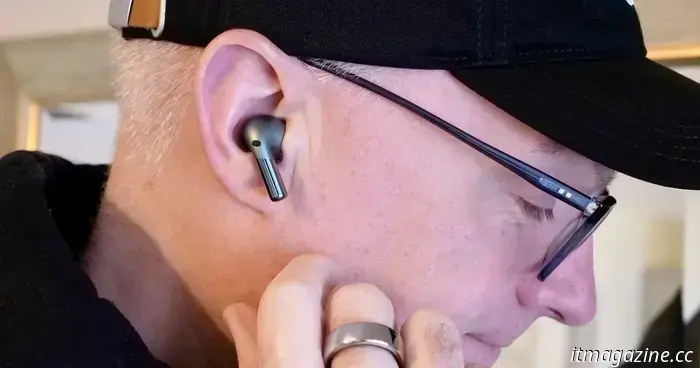 OnePlus is preparing a new feature to ensure you never misplace your earbuds.
OnePlus is working on a new feature to help prevent you from accidentally losing your earbuds.
OnePlus is preparing a new feature to ensure you never misplace your earbuds.
OnePlus is working on a new feature to help prevent you from accidentally losing your earbuds.
 A new type of smart glasses adjusts your prescription as you move your gaze.
IXI's autofocus smart glasses are designed to adjust your prescription in real time through eye tracking and liquid-crystal lenses. Unveiled at CES 2026, they are aimed at individuals dissatisfied with varifocal limitations, with plans to launch first in Europe.
A new type of smart glasses adjusts your prescription as you move your gaze.
IXI's autofocus smart glasses are designed to adjust your prescription in real time through eye tracking and liquid-crystal lenses. Unveiled at CES 2026, they are aimed at individuals dissatisfied with varifocal limitations, with plans to launch first in Europe.
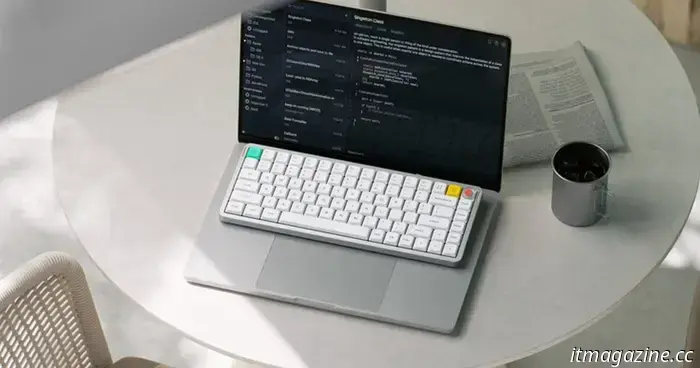 The NuPhy Kick75 dual-profile switch allows you to change the tactile experience for both work and gaming.
NuPhy’s Kick75 features a dual-profile switch designed to transition between low-profile typing and standard-profile gaming. The hands-on experience at CES should demonstrate if the switch feels genuine and stable.
The NuPhy Kick75 dual-profile switch allows you to change the tactile experience for both work and gaming.
NuPhy’s Kick75 features a dual-profile switch designed to transition between low-profile typing and standard-profile gaming. The hands-on experience at CES should demonstrate if the switch feels genuine and stable.
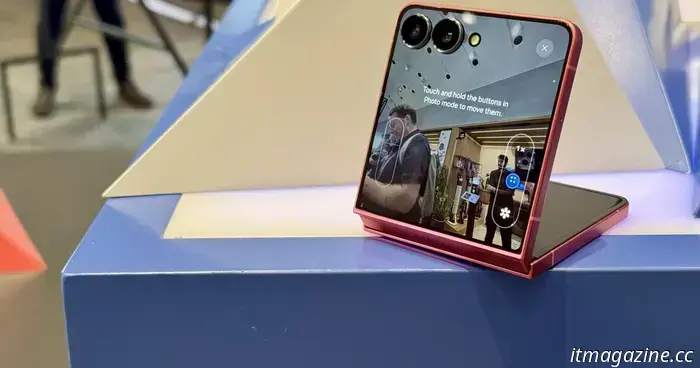 Samsung's newest patent indicates a flip design that can be folded both inward and outward.
Samsung's newest design patent indicates a flip phone that can be folded with either outer side serving as the front. It's a fascinating concept, but the submission emphasizes aesthetics rather than any plans for release.
Samsung's newest patent indicates a flip design that can be folded both inward and outward.
Samsung's newest design patent indicates a flip phone that can be folded with either outer side serving as the front. It's a fascinating concept, but the submission emphasizes aesthetics rather than any plans for release.
 iKKO’s compact phone features a folding camera and a keyboard to satisfy your tactile needs.
iKKO's MindOne is a compact phone featuring a BlackBerry-style keyboard that fits in a credit card's dimensions, designed with always-on AI capabilities. It supports SIMO vSIM fallback data in over 140 countries and is set to be released on February 8, 2026, with a price range of $329 to $499.
iKKO’s compact phone features a folding camera and a keyboard to satisfy your tactile needs.
iKKO's MindOne is a compact phone featuring a BlackBerry-style keyboard that fits in a credit card's dimensions, designed with always-on AI capabilities. It supports SIMO vSIM fallback data in over 140 countries and is set to be released on February 8, 2026, with a price range of $329 to $499.
Ford is developing an AI assistant that understands your vehicle thoroughly.
Ford recently showcased a new AI assistant at CES that possesses a greater understanding of its automobiles and the requirements of the driver.