

Apple aims to create AR glasses that are tailored to you, rather than requiring you to adjust to them.
A forward hinge combined with a fixed optics housing aims to maintain image geometry while enhancing comfort.
Apple faces a practical challenge with its AR glasses before they can be considered everyday items: adjusting the fit can alter the image. According to Patently Apple, a new patent outlines a design for smart glasses intended to keep vital display components in accurate alignment, even as the arms move like regular glasses.
The patent describes a rigid electronics housing located near the display frame. This fixed section can accommodate components such as projectors, waveguides, speakers, processors, and batteries while ensuring a consistent distance and angle between the projector and the transparent display window. Essentially, the optics remain stationary, which should keep the visuals stable.
Apple integrates this with a hinge located at the front, closer to where the securement arm attaches to the frame. The arms can rotate for comfort and fit without disturbing the optical path, unlike Meta Glasses.
Understanding why AR becomes blurry when adjusting fit
Many smart glasses designs incorporate electronics into the arms. While this is a practical way to conceal hardware, it can also result in fit adjustments that flex or rotate components essential for stable imagery. Even minor shifts can impact projection geometry and require recalibration.
Apple’s patent addresses this issue by separating the fit from the optics, allowing arm movement without affecting the optics.
The importance of hinge placement
The forward hinge serves a dual purpose beyond facilitating easier adjustments. By positioning the hinge closer to the front housing, Apple can maintain the sensitive display system in a rigid module while enabling the arms to accommodate various head shapes. Biasing elements like springs or cantilever structures can draw the arms inward for a secure fit without straining the aligned components.
What this indicates about Apple’s focus
While this does not confirm a product or timeline, it highlights where Apple is directing its design efforts: prioritizing wearability, aesthetic appeal, and optics that function predictably during real-world adjustments. If Apple’s AR glasses are ever released, this architecture suggests a eyewear-like comfort coupled with display alignment that remains stable during frame adjustments.
The Apple Vision Pro, set to launch in 2024, might serve as a precursor to future products. If Apple learns from the Vision Pro's introduction, its upcoming AR glasses could advance its position.
Paulo Vargas is an English major turned reporter and technical writer, with a career that has consistently returned to…
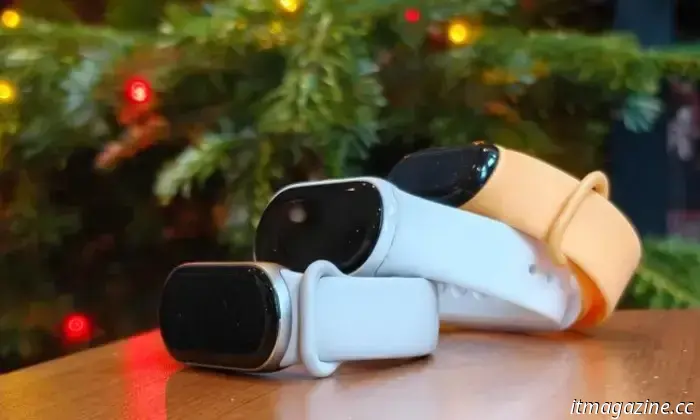
Maximize your fitness tracker for improved fitness in 2026
If you’ve received a new fitness tracker for Christmas or have resolved to get fitter in the New Year, you’ll want to know how to effectively use technology to meet this goal. After years of using and reporting on these gadgets, I’ve compiled some valuable tips to consider.
A fitness tracker is a more compact and affordable version of a smartwatch, designed for simplicity and elegance while monitoring your physical well-being. They make great gifts or serve as personal commitments to enhance fitness, allowing you to track your health without opting for a high-end device like the Apple Watch Ultra 3.
Samsung’s Galaxy Buds 4 Pro moving from rumors to certification phase
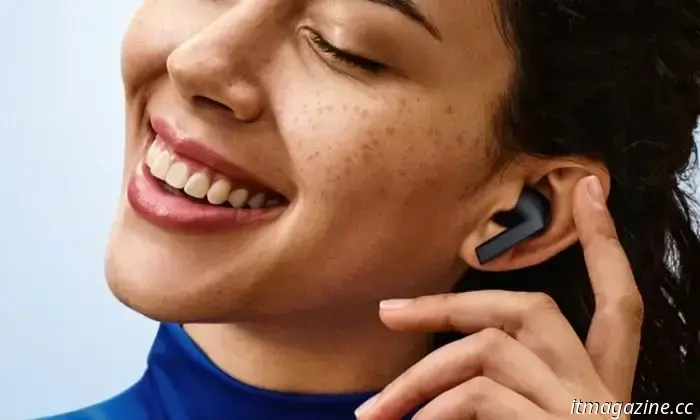
Samsung's upcoming premium earbuds are transitioning from speculation to the certification phase. Phone Arena reports that the Galaxy Buds 4 Pro have passed through the FCC in the U.S., a certification stage typically indicating that a device is nearing retail release.
The most notable aspect is the battery specifications for the Galaxy Buds 4 Pro. The same report mentions a leaked capacity of 57mAh per earbud, an increase from 48mAh found in the previous Galaxy Buds 3 Pro, representing an approximate 18% enhancement in raw capacity.
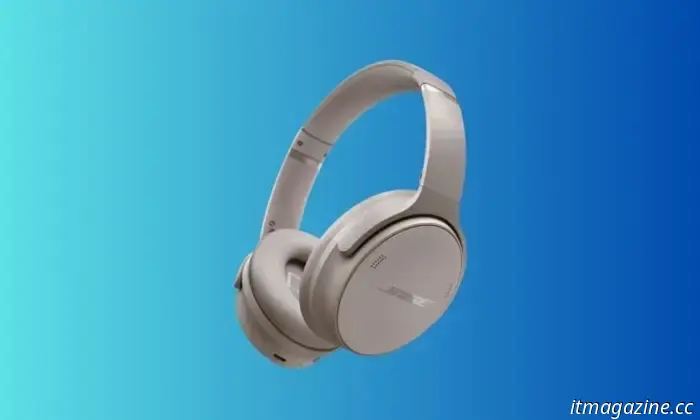
Bose QuietComfort headphones now available for $199, saving you $160 on everyday noise cancelling
If you’ve been on the lookout for a genuine discount on reliable noise-canceling headphones, this deal is worth considering. The Bose QuietComfort Wireless Noise Canceling Over-the-Ear Headphones are now priced at $199.00 (down from $359), providing a savings of $160. This level of discount shifts these headphones from a “potential future upgrade” to a “must-buy if you commute, travel, or work in noisy environments.”


Other articles
 LG C5 OLED review: an exquisite television, in the appropriate environment
While it may not be as bright or inexpensive as MiniLED displays, which are becoming more prevalent in the market, the LG C5 manages to hold its own in a highly competitive year for televisions.
LG C5 OLED review: an exquisite television, in the appropriate environment
While it may not be as bright or inexpensive as MiniLED displays, which are becoming more prevalent in the market, the LG C5 manages to hold its own in a highly competitive year for televisions.
 Increased battery life, improved zoom capabilities, and at the same price? Your upcoming Galaxy S26 might see a rearrangement of its specifications.
Samsung is said to be preparing to maintain the price of the Galaxy S26 in March, despite increasing component expenses. Anticipate specific enhancements, potential chip divisions, and more details to emerge at Galaxy Unpacked on February 25.
Increased battery life, improved zoom capabilities, and at the same price? Your upcoming Galaxy S26 might see a rearrangement of its specifications.
Samsung is said to be preparing to maintain the price of the Galaxy S26 in March, despite increasing component expenses. Anticipate specific enhancements, potential chip divisions, and more details to emerge at Galaxy Unpacked on February 25.
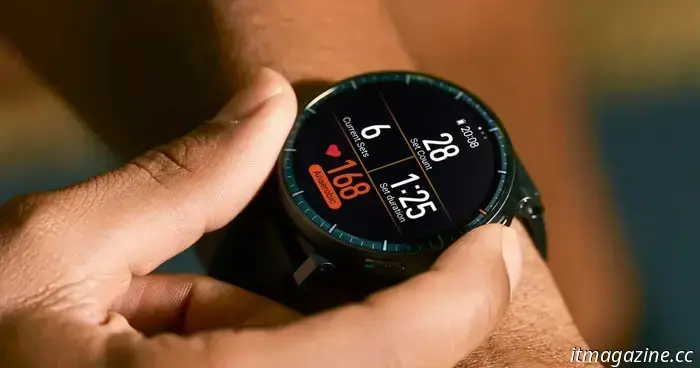 This new athletic smartwatch monitors your energy levels in real-time and has a battery life of up to 25 days.
The Amazfit Active Max introduces BioCharge, which provides a real-time energy and readiness score that fluctuates with exercise, stress levels, and activity. Additionally, it offers a battery life of up to 25 days, priced at $169.
This new athletic smartwatch monitors your energy levels in real-time and has a battery life of up to 25 days.
The Amazfit Active Max introduces BioCharge, which provides a real-time energy and readiness score that fluctuates with exercise, stress levels, and activity. Additionally, it offers a battery life of up to 25 days, priced at $169.
 Samsung's Freestyle+ projector will enhance your movie nights with a brighter image.
Samsung has hinted at the upcoming version of its portable Freestyle projector, which is expected to include new AI capabilities and nearly twice the brightness.
Samsung's Freestyle+ projector will enhance your movie nights with a brighter image.
Samsung has hinted at the upcoming version of its portable Freestyle projector, which is expected to include new AI capabilities and nearly twice the brightness.
 Leaked images of the Galaxy S26 offer an advance glimpse at the subtle design modifications.
Images that have been leaked of Samsung's forthcoming Galaxy S26 series have appeared online, offering us a preview of the subtle design modifications.
Leaked images of the Galaxy S26 offer an advance glimpse at the subtle design modifications.
Images that have been leaked of Samsung's forthcoming Galaxy S26 series have appeared online, offering us a preview of the subtle design modifications.
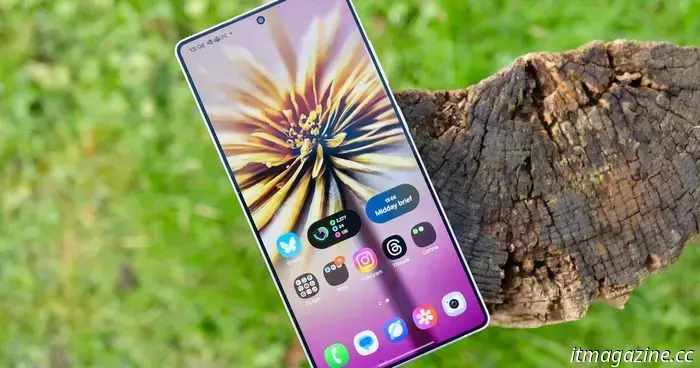 Here's how the Privacy Display feature on the Galaxy S26 Ultra may safeguard your screen from unwanted viewers.
The revised Tips app from Samsung has revealed details about how the forthcoming Privacy Display feature for the Galaxy S26 Ultra may function.
Here's how the Privacy Display feature on the Galaxy S26 Ultra may safeguard your screen from unwanted viewers.
The revised Tips app from Samsung has revealed details about how the forthcoming Privacy Display feature for the Galaxy S26 Ultra may function.
Apple aims to create AR glasses that are tailored to you, rather than requiring you to adjust to them.
Apple's recently awarded patent for AR glasses centers on maintaining optical alignment during fit adjustments. The design includes a sturdy front housing and a forward hinge to avoid image displacement while ensuring comfort.