
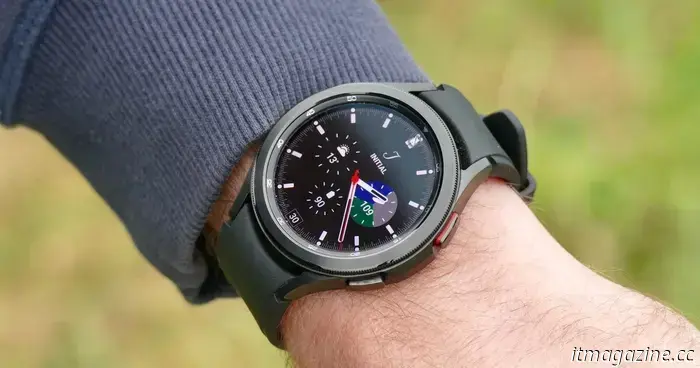
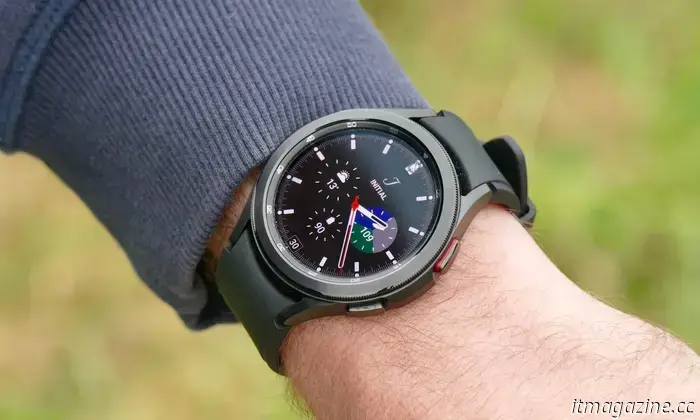
Samsung has paused the update for the Galaxy Watch 4 following user complaints about battery drain and malfunctioning sensors.
The troubled rollout of One UI 8 Watch for the Galaxy Watch 4 and Galaxy Watch 4 Classic underscores the challenges posed by significant updates on older hardware, highlighting the importance of Samsung's response for the future support of wearables.
Samsung's recent firmware update for these smartwatches aimed to introduce One UI 8 Watch (built on Wear OS 6), but it encountered severe issues soon after its release in early to mid-December. Users reported problems such as rapid battery drain and faulty sensors.
An update with promise that went wrong
Reports from multiple users (via 9To5Google) indicate that heart rate monitoring, sleep tracking, and step counting functionality were disrupted or completely ceased following the latest update. The battery life, a sensitive concern for older smartwatches, took a considerable downturn, with many devices failing to last a full day after the update was applied. As the number of complaints grew, Samsung seemingly paused the update rollout without announcement.
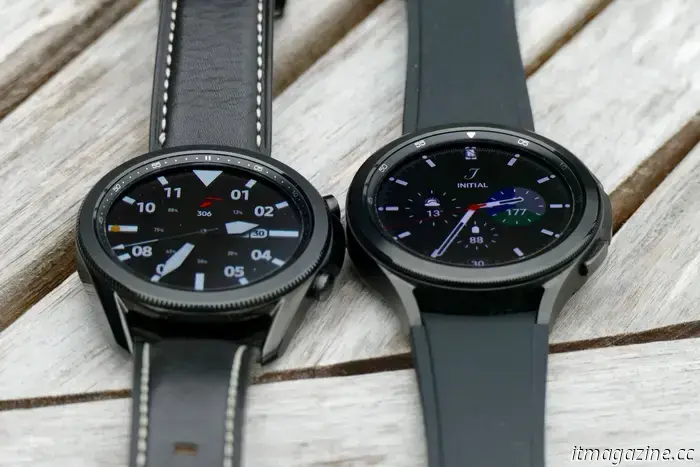
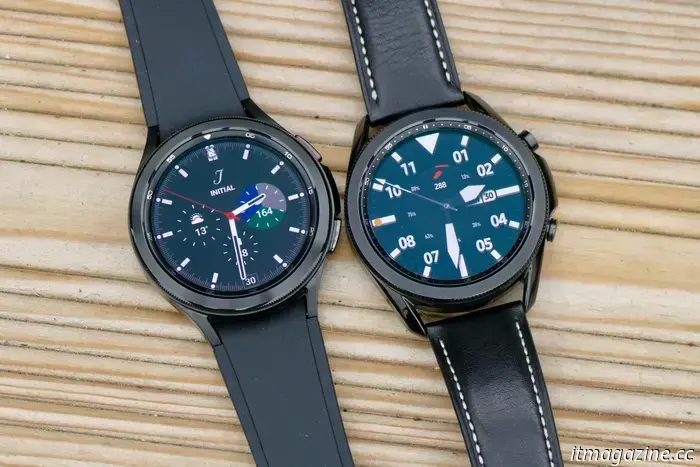
The Galaxy Watch 4 holds significant importance within Samsung's wearable lineup as the first smartwatch to fully adopt Wear OS and tout long-term software support as a major advantage. However, a problematic update that affects daily functions undermines this assurance.
Moreover, the halt in the update indicates that the reported issues aren’t mere isolated incidents. For Galaxy Watch 4 and Watch 4 Classic owners, these problems directly impair their user experience; a smartwatch unable to monitor heart rate or that runs out of battery mid-day quickly becomes an expensive, ineffective accessory.
If you haven't yet updated, it may be wise to hold off, as this is one of the rare instances where proceeding with the installation could lead to complications.
For those who have already updated, there are some temporary fixes such as clearing the cache, restarting the smartwatch, or performing a factory reset, though these may not completely resolve the issues.
Samsung is anticipated to issue a follow-up firmware update to remedy these problems, although no official timeline has been provided.
For more than five years, Shikhar has consistently summarized developments in consumer technology and presented them…
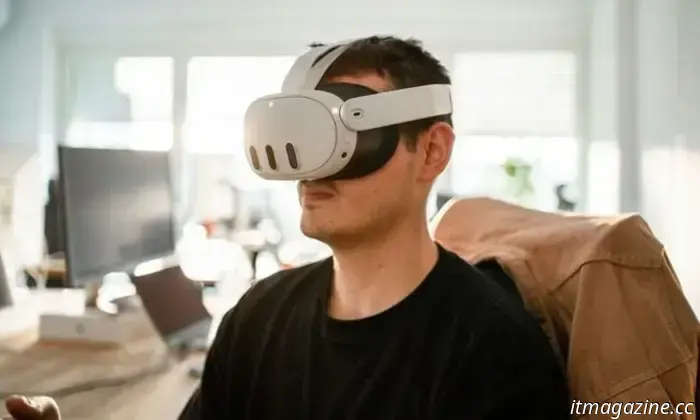
Meta's Horizon OS is not expected to reach third-party headsets anytime soon.
The future of Asus and Lenovo's Horizon OS headsets now seems uncertain as Meta has paused its plans to make the operating system behind its Quest headsets available to other manufacturers. Initially announced last year with the Horizon OS rebranding, this initiative is now in limbo as Meta shifts its focus toward developing "the world-class first-party hardware and software needed to advance the VR market."
When this initiative was first proposed, Meta aimed to democratize Horizon OS and foster a new ecosystem of devices utilizing its software. They even identified Asus and Lenovo as early partners, with Asus designing a gaming VR headset while Lenovo concentrated on a productivity model. With the latest revelation, these devices are essentially canceled.
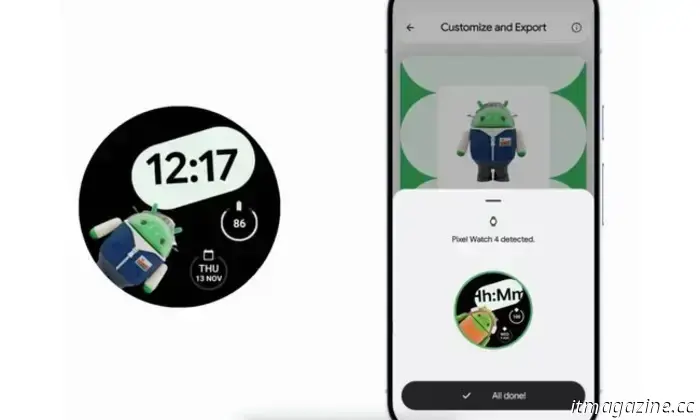
Androidify now allows you to convert your custom Android Bot into a watch face.
Google's new Androidify app has transitioned to Wear OS, enabling users to create custom watch faces for their smartwatches. Launched earlier this year, the revamped app utilizes Google's Gemini and Imagen to turn your photos into personalized bugdroid avatars. With the recent update, users can now showcase these custom Android Bots on their wrists.
Previously, the Androidify app allowed for the use of personal bots as wallpapers, social media avatars, or stickers, but it now also enables users to transfer these bots from their phone to their Wear OS device as custom watch faces.
HTC’s AI Glasses aim to offer you the choice of your AI companion.
HTC is banking on the idea that your next pair of smart glasses shouldn't constrain you to a single AI assistant. With the launch of the VIVE Eagle eyewear, the Taiwanese tech company is advocating for an open AI strategy. As reported by Reuters, this approach allows users to select from various generative AI models, such as OpenAI's ChatGPT and Google's Gemini, rather than confining them to a single ecosystem. This differentiates HTC's offering from many competitors.
To bring you up to date, the VIVE Eagle recently became available in Hong Kong, priced around HK$3,988 (approximately $512), with plans for a phased global rollout. Japan and Southeast Asia will be next in early 2026, followed by Europe and the United States later that year. The emphasis on the Asia-first strategy reflects HTC's efforts to customize design and fit for regional preferences, an area where many competitors often fall short.

Other articles
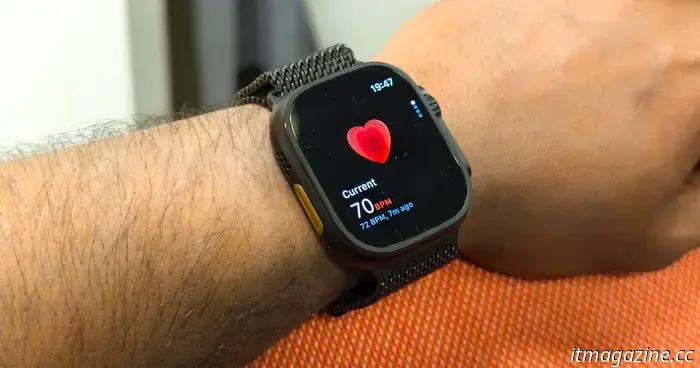 Apple's Newest Watch Advertisements Resemble Your Personal Trainer
Apple's new Apple Watch campaign showcases fitness functionalities aimed at keeping users inspired and active.
Apple's Newest Watch Advertisements Resemble Your Personal Trainer
Apple's new Apple Watch campaign showcases fitness functionalities aimed at keeping users inspired and active.
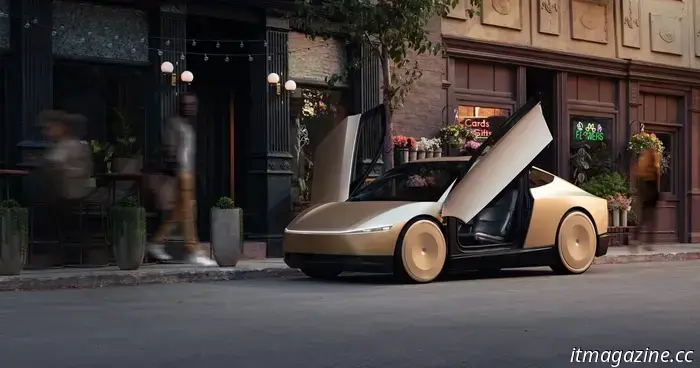 Robotaxis in Action: Tesla's Cybercab Navigates Austin's Traffic
Tesla's Cybercab self-driving robotaxi is increasingly being seen on the streets of Austin, indicating advancements toward its anticipated launch in 2026.
Robotaxis in Action: Tesla's Cybercab Navigates Austin's Traffic
Tesla's Cybercab self-driving robotaxi is increasingly being seen on the streets of Austin, indicating advancements toward its anticipated launch in 2026.
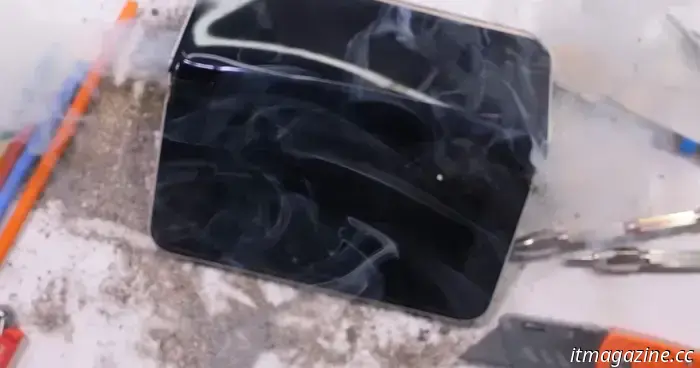 There was only one true winner for the title of 'least durable phone of 2025.'
Several phones came into the possession of tech YouTuber Zack Nelson this year, and all were put through his rather harsh durability assessment. The diverse yet somewhat unscientific evaluation that Nelson conducts for his JerryRigEverything channel includes using various sharp tools on the surfaces of each phone, as well as […]
There was only one true winner for the title of 'least durable phone of 2025.'
Several phones came into the possession of tech YouTuber Zack Nelson this year, and all were put through his rather harsh durability assessment. The diverse yet somewhat unscientific evaluation that Nelson conducts for his JerryRigEverything channel includes using various sharp tools on the surfaces of each phone, as well as […]
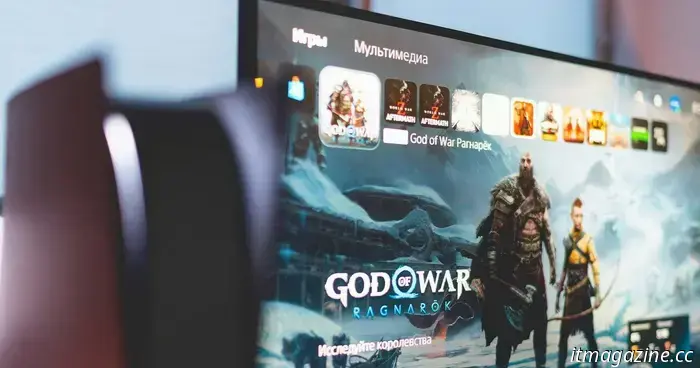 Former PlayStation Chief Claims Exclusive Games Are Still Alive
Shawn Layden, a former high-ranking official at Sony Interactive Entertainment, is emphasizing that exclusive games continue to have significance in the gaming industry. This statement arises at a time when consoles are progressively taking on the characteristics of gaming PCs, with cross-platform releases becoming commonplace. In a recent episode of the Pause for Thought podcast, Layden's remarks challenge the notion that [...]
Former PlayStation Chief Claims Exclusive Games Are Still Alive
Shawn Layden, a former high-ranking official at Sony Interactive Entertainment, is emphasizing that exclusive games continue to have significance in the gaming industry. This statement arises at a time when consoles are progressively taking on the characteristics of gaming PCs, with cross-platform releases becoming commonplace. In a recent episode of the Pause for Thought podcast, Layden's remarks challenge the notion that [...]
 Florida is constructing a highway that could potentially charge your electric vehicle while you’re on the move.
Florida is developing one of the initial highways in the U.S. that can charge electric vehicles while they're in motion, a pilot project that could significantly impact concerns about EV range anxiety.
Florida is constructing a highway that could potentially charge your electric vehicle while you’re on the move.
Florida is developing one of the initial highways in the U.S. that can charge electric vehicles while they're in motion, a pilot project that could significantly impact concerns about EV range anxiety.
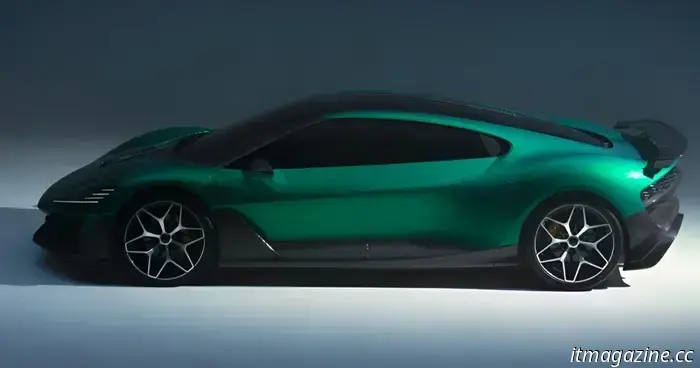 The first electric hypercar from this renowned vacuum brand aims to compete with BYD and Tesla.
A Chinese vacuum cleaner company has hinted at a 1,000hp electric hypercar in the lead-up to CES 2026. Here's why Dreame's surprising decision is significant for electric vehicle technology.
The first electric hypercar from this renowned vacuum brand aims to compete with BYD and Tesla.
A Chinese vacuum cleaner company has hinted at a 1,000hp electric hypercar in the lead-up to CES 2026. Here's why Dreame's surprising decision is significant for electric vehicle technology.
Samsung has paused the update for the Galaxy Watch 4 following user complaints about battery drain and malfunctioning sensors.
The recent update for Samsung's Galaxy Watch 4 was expected to introduce new features; however, those who updated early experienced problems with battery performance and faulty sensors instead.