
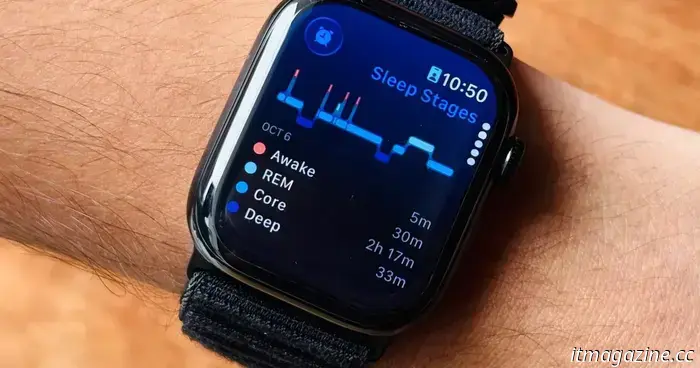
I disliked wearing my Apple Watch while I slept, but recent scientific findings have shifted my perspective in two ways.
I am typically hesitant to wear my Apple Watch while sleeping. I can turn off the notifications to prevent distractions, and I wake up perfectly well with my phone alarm, so I don’t require the watch to beep in my ears.
My aversion is somewhat warranted as I purchased the smartwatch mainly for tracking workouts. Additionally, I find it uncomfortable to sleep with a device on my wrist. However, I have softened my stance recently.
My family doctor has insisted that I get at least 7-8 hours of sleep to prevent my seizures from recurring. Since I must provide a record of my sleep data for monthly assessments, I am making an effort to wear the watch to bed.
It appears the Apple Watch is contributing more to my sleep and overall health than I initially understood or what Apple advertised. I believe I will develop a habit of wearing the Apple Watch to sleep for the benefit of my cardiac and neurological health, whether I am fond of it or not.
Recent research has shown that straying from your regular bedtime can raise the risk of sleep apnea and hypertension. Interestingly, the Apple Watch already has a feature that monitors sleep schedule irregularities and can also track blood pressure spikes.
What led to my change of heart
Researchers at Scripps Research, a prominent non-profit biomedical research institution, evaluated the effectiveness of digital activity trackers like the Apple Watch, Fitbit devices, and Oura ring. They aimed to analyze sleep data as part of a study labeled the Research Framework for Exploring Sleep Health (REFRESH).
The team engaged over a thousand adults nationwide, who provided an average of two years of sleep data gathered from their wearables. The main goal was to examine their sleeping habits, categorizing them as night owls or early risers. The study revealed that even a one-hour delay in regular bedtime considerably increases the likelihood of sleep apnea and hypertension.
The findings, published in the Journal of Medical Internet Research, indicate that a single hour’s delay in participants’ usual bedtime resulted in “more than twice the risk of sleep apnea and a 71 percent higher chance of having high blood pressure.”
Labeling it a “robust” and “compelling association” between sleep variation and health problems such as sleep apnea and high blood pressure, the team suggests that wearable devices like the Apple Watch could be used for early disease detection and prevention.
“Currently, we are in the phase of recognizing patterns. We are confirming that these associations exist and understanding the mechanisms involved,” stated Stuti Jaiswal, an assistant professor at Scripps Research. The potential impact of this could be significant for millions, including myself.
Apple Watch already tracks my bedtime habits
According to a paper in the Lancet Respiratory Medicine journal, obstructive sleep apnea (OSA) affects nearly a billion people worldwide. In the U.S., estimates range from 30 to 60 million adults, with projections suggesting it could reach around 77 million by 2050.
Although sleep apnea varies in severity, it has profound effects. In serious cases, it can impair cognitive functions, mood, and daytime alertness. Research has also shown a high occurrence of cardiac arrhythmias in individuals with severe sleep apnea. Sleep apnea is well-documented as being linked to a higher risk of cardiovascular and metabolic health issues.
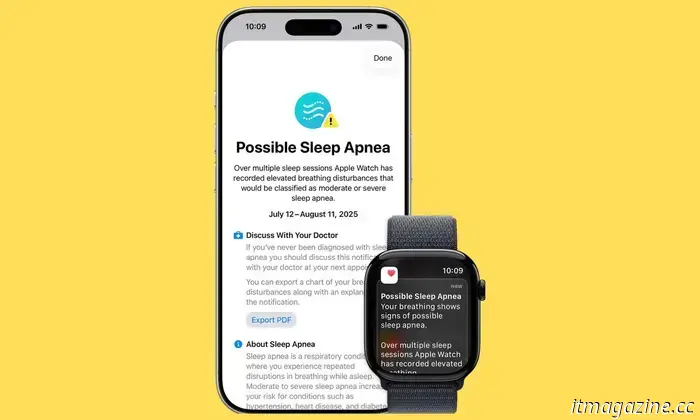
The most alarming aspect? “You might not even know you have this common issue,” warn experts at Johns Hopkins Medicine. Thankfully, the Apple Watch can detect signs of moderate to severe sleep apnea by monitoring bodily movements during sleep to identify breathing interruptions.
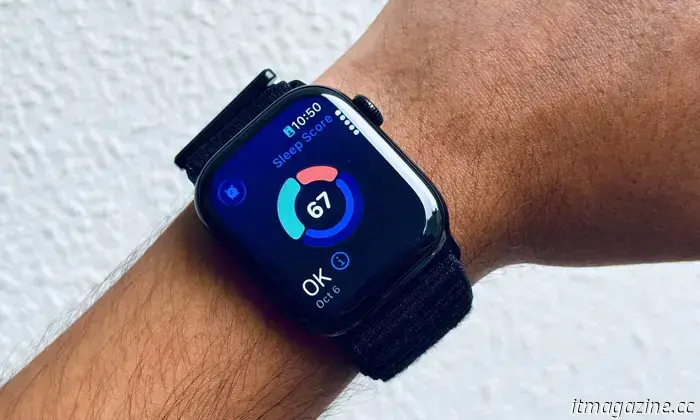
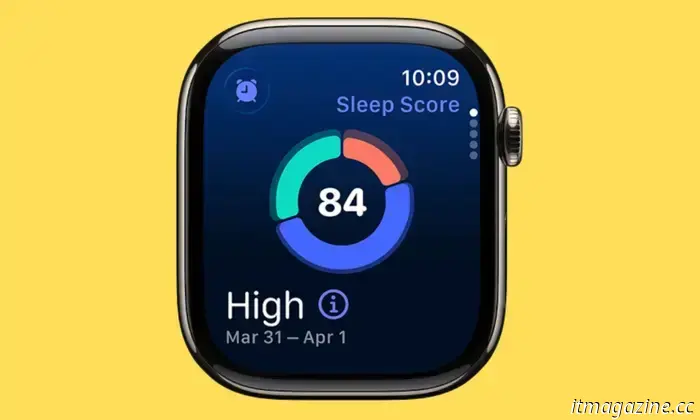
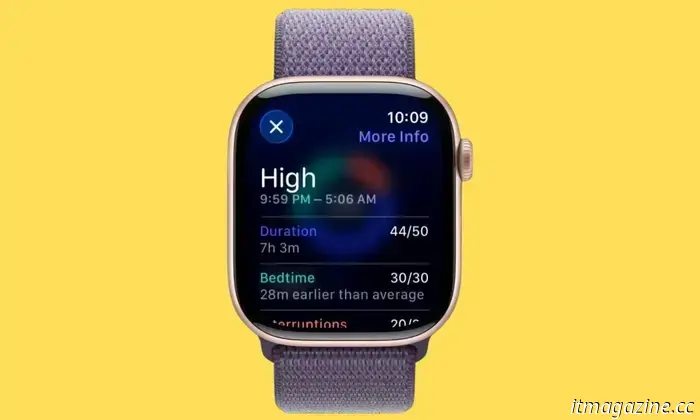
Recent findings from Scripps Research emphasize that your bedtime habits can influence your sleep apnea risk. This is where Apple’s new Sleep Score system becomes relevant. This feature evaluates three main metrics: sleep duration (50 points), interruptions (20 points), and adherence to the bedtime schedule (30 points).
Based on these three scores, the Apple Watch assigns a score ranging from 0 to 100, divided into five quality tiers. The Scripps Research study particularly addressed how closely participants maintained their bedtime routine. Apple has been monitoring this aspect for months, and I am only now recognizing its importance.
A closer look at blood pressure issues
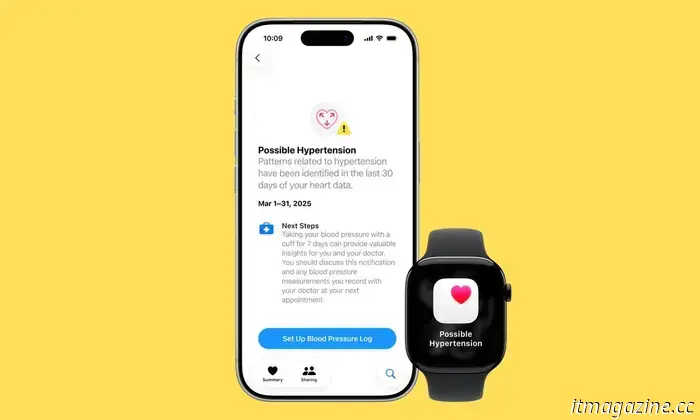
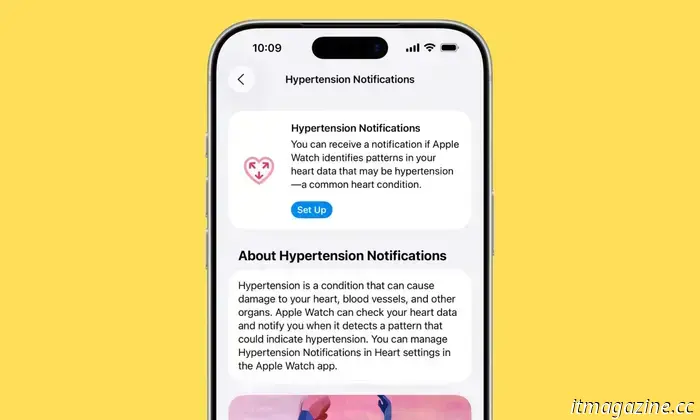
The Apple Watch includes a feature known as Hypertension Notifications. As suggested by its name, it can detect and alert users regarding hypertension, or chronic high blood pressure, which affects over a billion people worldwide and increases the risks of heart attack, stroke, and kidney disease.
The most concerning point is that, like sleep apnea, hypertension often has no obvious symptoms. The Apple Watch provides assistance here. Its optical biosensor measures how blood vessels contract and expand with each heartbeat and algorithmically detects abnormal movements.
This ties into the recent research findings. If you receive a hypertension alert on your Apple Watch and are unsure of how to proceed, you can review your sleep history to check whether you have been consistent with your bedtime. This can be done by examining your sleep score logs or your overall sleep history.
Additionally, you might want to look at
Other articles
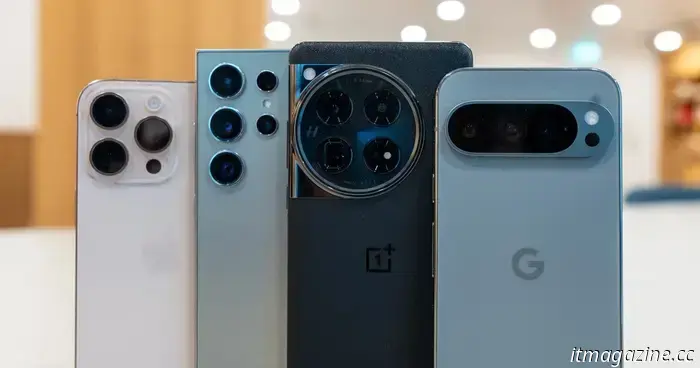 After years of testing smartphones, I can say that 2026 appears promising, though there's one unpleasant surprise.
The countdown to 2026 is well underway, but for smartphone fans, it's concluding with mixed feelings. Apple launched one of its best entry-level phones this year with the iPhone 17, and the iPhone 17 Pro represented the most significant enhancement to a flagship device from the company in years. Google’s Pixel 10 did […]
After years of testing smartphones, I can say that 2026 appears promising, though there's one unpleasant surprise.
The countdown to 2026 is well underway, but for smartphone fans, it's concluding with mixed feelings. Apple launched one of its best entry-level phones this year with the iPhone 17, and the iPhone 17 Pro represented the most significant enhancement to a flagship device from the company in years. Google’s Pixel 10 did […]
 Samsung's newest AI feature enhances older K-Dramas to 4K quality on televisions.
The South Korean technology leader Samsung has discreetly introduced a new AI-driven feature on Samsung TV Plus that is exclusively centered on a single theme: vintage K-dramas. It has created a special channel that broadcasts classic Korean dramas from the 2000s, with a unique aspect: they are being enhanced to 4K using Samsung’s AI video processing technology. Recommended Videos […]
Samsung's newest AI feature enhances older K-Dramas to 4K quality on televisions.
The South Korean technology leader Samsung has discreetly introduced a new AI-driven feature on Samsung TV Plus that is exclusively centered on a single theme: vintage K-dramas. It has created a special channel that broadcasts classic Korean dramas from the 2000s, with a unique aspect: they are being enhanced to 4K using Samsung’s AI video processing technology. Recommended Videos […]
 The Polestar 4 is bold in its uniqueness, but perhaps not unique enough.
QuickCharge: This Week in EV This article is part of our ongoing series, QuickCharge: This Week in EV, updated less than a day ago. The contemporary electric vehicle era has arrived in the automotive sector, predominantly marked by emerging brands. The Tesla Model S has captured the public's fascination in a way that the Nissan Leaf did not, […]
The Polestar 4 is bold in its uniqueness, but perhaps not unique enough.
QuickCharge: This Week in EV This article is part of our ongoing series, QuickCharge: This Week in EV, updated less than a day ago. The contemporary electric vehicle era has arrived in the automotive sector, predominantly marked by emerging brands. The Tesla Model S has captured the public's fascination in a way that the Nissan Leaf did not, […]
 5 major announcements to anticipate at CES 2026
Here are our top five selections for the new announcements and reveals anticipated at CES 2026.
5 major announcements to anticipate at CES 2026
Here are our top five selections for the new announcements and reveals anticipated at CES 2026.
 Microsoft is experimenting with optimizing the File Explorer search feature to decrease RAM consumption in Windows 11.
A recent Windows 11 Insider update enhances File Explorer's search functionality by eliminating unnecessary indexing tasks, which leads to quicker searches, reduced memory consumption, and a streamlined context menu.
Microsoft is experimenting with optimizing the File Explorer search feature to decrease RAM consumption in Windows 11.
A recent Windows 11 Insider update enhances File Explorer's search functionality by eliminating unnecessary indexing tasks, which leads to quicker searches, reduced memory consumption, and a streamlined context menu.
I disliked wearing my Apple Watch while I slept, but recent scientific findings have shifted my perspective in two ways.
A recent study has discovered a connection between bedtime discipline and two significant health issues. Interestingly, my Apple Watch has been automatically tracking this information for several months.