
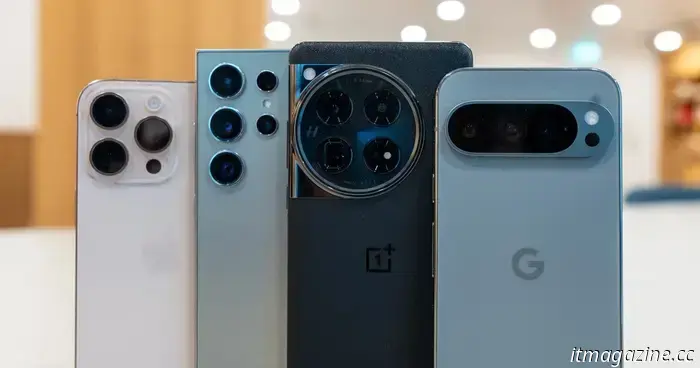
After years of testing smartphones, I can say that 2026 appears promising, though there's one unpleasant surprise.
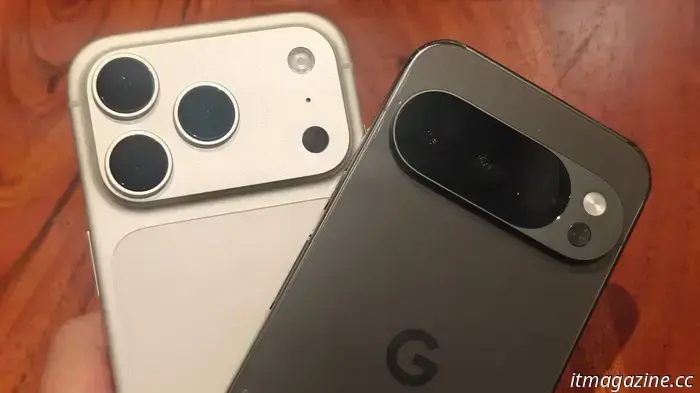
As 2026 approaches, smartphone fans are feeling a mix of emotions. Apple launched one of its best entry-level devices this year with the iPhone 17, while the iPhone 17 Pro represented the most significant upgrade in years for the company’s flagship model.
On the other hand, Google’s Pixel 10 surpassed expectations, and the Pixel 10 Pro came out as the most sophisticated AI-oriented phone available. Samsung excelled with the Galaxy Z Fold 7 and even expanded the foldable concept with the Galaxy Z TriFold. AI signals a transformative shift in how we engage with smartphones.
However, not all smartphone users are pleased with these changes, as some aspects of AI implementation have been rather poorly executed. Additionally, this shift has triggered a memory (and pricing) crisis within the hardware industry. Much has evolved, and the coming year promises to be eventful. Based on the industry's trajectory thus far, here are some smartphone forecasts, a few of which I sincerely hope do not materialize.
Time for a price increase
Due to the insatiable demand for greater computing resources and data centers, the AI sector has strained the memory supply chain. Micron has declared that it will halt sales of RAM and SSDs to consumers under the Crucial brand to meet AI demands. Similarly, companies like Samsung and SK Hynix are also adjusting their strategies while recording substantial profits.
The PC sector has faced turmoil with a rapid increase in memory module prices, and smartphones are likely next. Major Chinese smartphone brands are reducing RAM purchases due to a drastic 50% price increase in the market, and reports indicate Xiaomi may cut back on RAM capacity in its devices.
It’s a challenging situation. On one hand, more RAM is necessary for on-device AI processes. Since AI is perceived as a critical advantage, most smartphone manufacturers will want to progress. But doing so inevitably leads to increased prices.
While Chinese brands have managed to absorb component cost increases to some extent, global brands like Samsung and Apple may not follow suit. These two can withstand the upheaval longer due to their superior supply chain influence, but for others, raising prices seems to be the only viable option. This trend has already begun in markets like India and will likely spread to others soon.
Larger batteries on the horizon
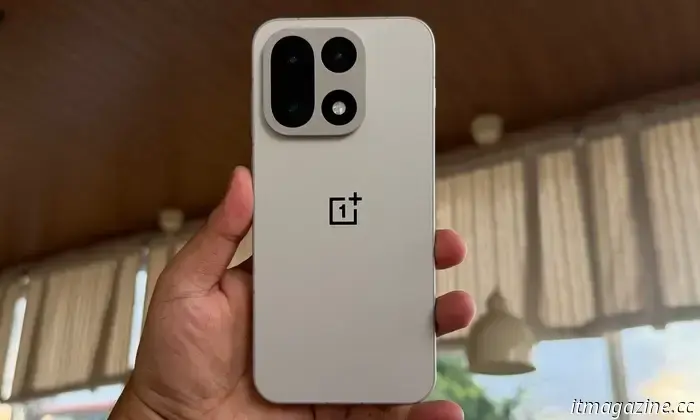
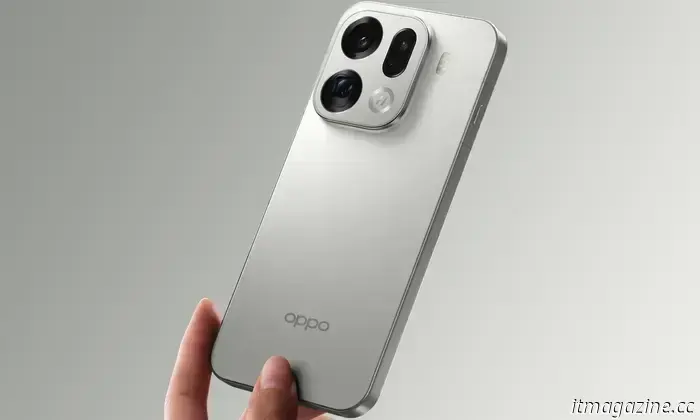
In 2025, large batteries transitioned from being a novelty to a standard feature. OnePlus set a new benchmark with its flagship boasting a 7,300 mAh battery, while its sister brand Oppo took it a step further with a 7,500 mAh battery in the Oppo Find X9 Pro. That's a significant 50% increase compared to Samsung’s Galaxy S25 Ultra.
Recently, leaks have revealed a OnePlus phone with a massive 9,000 mAh battery, and Honor has introduced a Win series smartphone with an incredible 10,000 mAh battery. Meanwhile, Realme has showcased a working phone featuring an even more astonishing 15,000 mAh battery.
Advancements in battery technology have allowed engineers to create denser batteries that output higher power without making the phone bulky. Will major international brands like Samsung or Apple adopt this trend? Most likely, not just to outpace the competition.
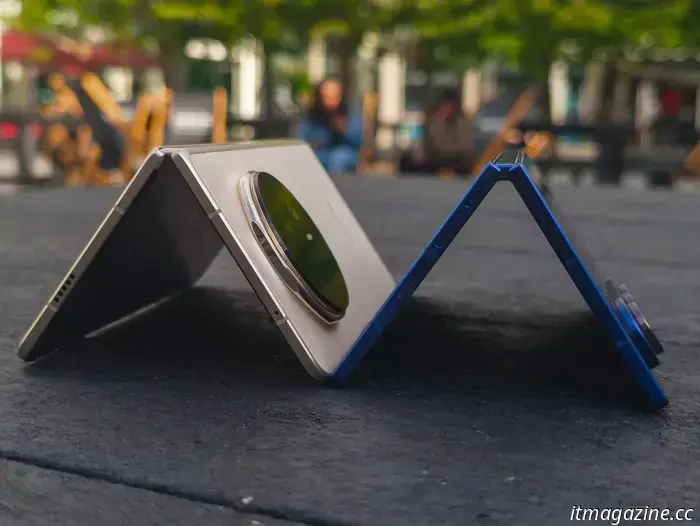
Samsung is already deeply involved in the foldable phone market, making it essential for them to experiment with advanced technologies such as silicon carbon batteries. Foldable devices require larger batteries to power two screens. The competition is already heating up.
Honor has crafted a foldable phone measuring just 8.8mm thick, yet it still houses a 5,820 mAh battery, enabled by the silicon carbon battery technology. I anticipate that major players will finally embrace this technology in both traditional and foldable phones in the upcoming year.
AI becoming more prevalent
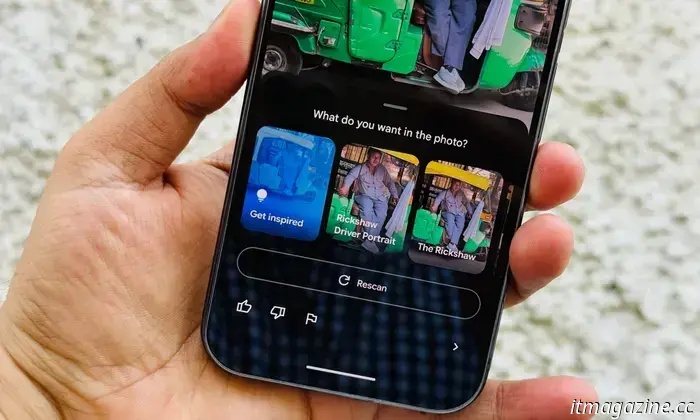
AI has significantly transformed the smartphone software experience, with the Pixel 10 series leading the way. I’m not referring to gimmicky features like AI-generated videos; I mean genuine enhancements.
The Pixels can listen to your calls and read texts in real-time, detect scams, and provide warnings. Features like Magic Cue, live transcribe, Gemini’s environmental awareness, and Pro Res Zoom illustrate a future where AI actively assists users.
The AI-driven smart memory named Mind Space on OnePlus devices is another invaluable feature. Nothing has also introduced a text-to-app system that allows users to create mini-apps simply by describing them, which can be shared and remixed like Google Opal web apps.
The overarching goal is to empower users to build the apps they desire and take control of their smartphone experience. Meanwhile, AI will penetrate deeper into applications, allowing users to accomplish tasks using voice commands without needing to access the apps directly.
Gemini can already manage Google’s own apps and various third-party tools like WhatsApp. With the Google AI Edge SDK, developers can incorporate on-device Gemini Nano features into their applications, enabling AI interactions without an internet connection.
Apple’s Foundation Model Framework is offering developers similar capabilities. We can also anticipate

Other articles
 Samsung's newest AI feature enhances older K-Dramas to 4K quality on televisions.
The South Korean technology leader Samsung has discreetly introduced a new AI-driven feature on Samsung TV Plus that is exclusively centered on a single theme: vintage K-dramas. It has created a special channel that broadcasts classic Korean dramas from the 2000s, with a unique aspect: they are being enhanced to 4K using Samsung’s AI video processing technology. Recommended Videos […]
Samsung's newest AI feature enhances older K-Dramas to 4K quality on televisions.
The South Korean technology leader Samsung has discreetly introduced a new AI-driven feature on Samsung TV Plus that is exclusively centered on a single theme: vintage K-dramas. It has created a special channel that broadcasts classic Korean dramas from the 2000s, with a unique aspect: they are being enhanced to 4K using Samsung’s AI video processing technology. Recommended Videos […]
 I disliked wearing my Apple Watch while I slept, but recent scientific findings have shifted my perspective in two ways.
A recent study has discovered a connection between bedtime discipline and two significant health issues. Interestingly, my Apple Watch has been automatically tracking this information for several months.
I disliked wearing my Apple Watch while I slept, but recent scientific findings have shifted my perspective in two ways.
A recent study has discovered a connection between bedtime discipline and two significant health issues. Interestingly, my Apple Watch has been automatically tracking this information for several months.
 5 major announcements to anticipate at CES 2026
Here are our top five selections for the new announcements and reveals anticipated at CES 2026.
5 major announcements to anticipate at CES 2026
Here are our top five selections for the new announcements and reveals anticipated at CES 2026.
 Microsoft is experimenting with optimizing the File Explorer search feature to decrease RAM consumption in Windows 11.
A recent Windows 11 Insider update enhances File Explorer's search functionality by eliminating unnecessary indexing tasks, which leads to quicker searches, reduced memory consumption, and a streamlined context menu.
Microsoft is experimenting with optimizing the File Explorer search feature to decrease RAM consumption in Windows 11.
A recent Windows 11 Insider update enhances File Explorer's search functionality by eliminating unnecessary indexing tasks, which leads to quicker searches, reduced memory consumption, and a streamlined context menu.
After years of testing smartphones, I can say that 2026 appears promising, though there's one unpleasant surprise.
The countdown to 2026 is well underway, but for smartphone fans, it's concluding with mixed feelings. Apple launched one of its best entry-level phones this year with the iPhone 17, and the iPhone 17 Pro represented the most significant enhancement to a flagship device from the company in years. Google’s Pixel 10 did […]