
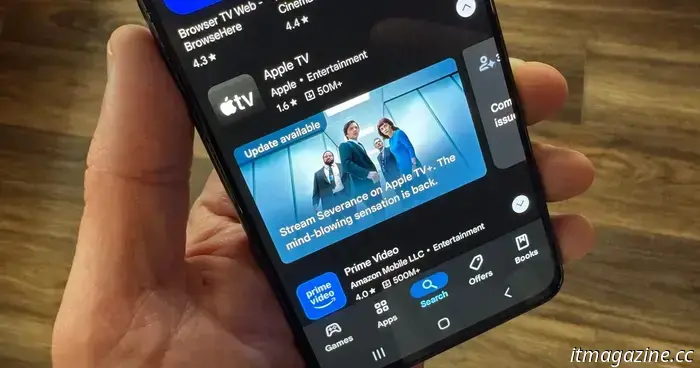
You can now stream Apple TV content to your television using an Android device.
Google Cast support is being introduced with version 2.2 through the Play Store.
After much anticipation, the Apple TV app is now available on the Google Play Store as of earlier this year, making it easier for Android users to access Apple TV’s collection of acclaimed movies and TV series. However, at the time of its launch, the app was missing a crucial feature found in other streaming apps on Android: the option to cast content to nearby devices. Apple has now rectified this with its recent update.
As reported by 9to5Google, the latest update to the Apple TV app for Android includes Google Cast support, enabling users to cast Apple TV content to smart TVs and compatible displays. The app now shows a continuous Cast option next to the Apple TV account button at the top right corner of the homepage. Clicking on it brings up a pop-up menu displaying nearby Google Cast-compatible devices such as Nest Hubs and Chromecast-enabled gadgets.
While casting, the app presents a miniplayer that includes playback details, the name of the connected device, a progress bar, a pause button, and a ten-second rewind option. Tapping the miniplayer opens a full-screen view with large controls for pausing, rewinding, and fast-forwarding, alongside a progress bar and buttons for adjusting audio and subtitle settings.
This update arrives as Apple enhances the app's features on Android, with a recent version incorporating new episode notifications. Google Cast support is available in version 2.2 of the Apple TV app for Android, which is being rolled out via the Google Play Store. Additionally, there is a modification to the app's home screen icon, which now displays a slightly smaller Apple TV logo within the circle.
While Apple introduces Google Cast support, Netflix is moving in the opposite direction.
It is notable that while Apple has just added Google Cast support to its Apple TV app, Netflix has made a reduction in this area. Earlier this month, Netflix discreetly removed casting support from its mobile applications for most devices, restricting it to select devices such as the 3rd generation Chromecast or earlier, Google Nest Hub, select cast-enabled Vizio TVs, and select cast-enabled Compal TVs.
Pranob is an experienced technology journalist with over eight years of experience covering consumer technology.
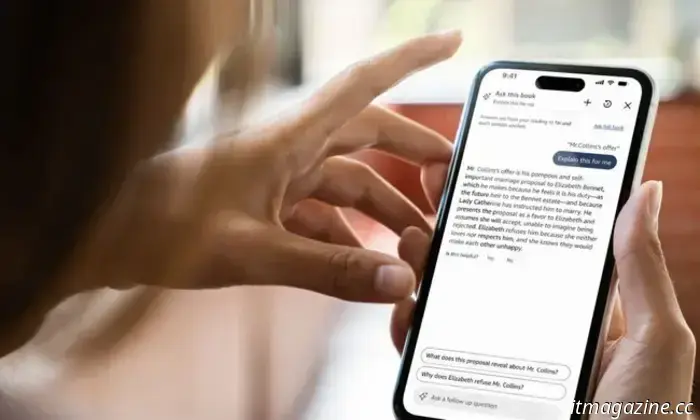
Amazon has launched a new feature called Ask this Book on Kindle for iOS, allowing readers to get answers without leaving their current page.
Amazon is addressing a common challenge faced by readers of lengthy novels: forgetting character identities while being hesitant to look them up online. The company has introduced Ask this Book, a new feature for the Kindle iOS app in the U.S. Designed as a spoiler-free assistant, it helps maintain immersion in the story without disrupting the reading flow.
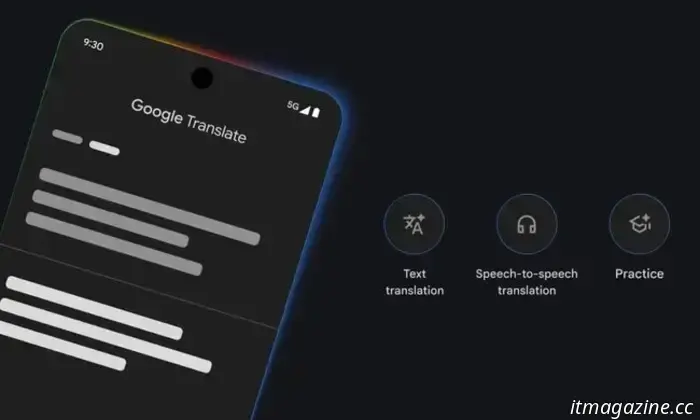
Google Translate has received a significant upgrade, enhancing its ability to understand context and intent beyond mere words.
Google is rolling out an extensive upgrade to Google Translate, utilizing its Gemini AI models to provide more natural translations of text, real-time speech translation through headphones, and enhanced language-learning features. The goal of these updates is to assist users in grasping not just the words but also the intent, tone, and cultural nuances.
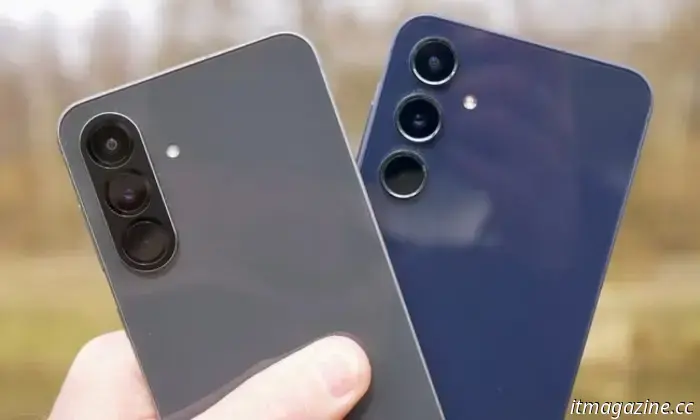
Samsung may be raising the prices of its next Galaxy A series phones.
A potential price increase in India has led to speculation regarding the pricing of the upcoming Galaxy A series models. Reports indicate that Samsung's forthcoming devices might be more expensive, with the price rise possibly affecting models beyond its flagship Galaxy S26 series. An early report suggested that the company might increase the prices of its next-generation flagship models due to rising expenses associated with crucial components such as SoCs, camera modules, and RAM. Now, a new source indicates that Samsung might soon raise the prices of existing Galaxy A models in India, sparking speculation that the upcoming A series devices could see similar increases.
According to a recent post from tipster Abhishek Yadav on X (via SamMobile), Samsung is reportedly planning to increase the price of the Galaxy A56 in India by INR 2,000 (~$22). Other models within the Galaxy A series lineup might also experience a hike of INR 1,000 (~$11). Though there have been no announcements regarding similar price increases in other markets and Samsung has yet to confirm anything, this tip has led to speculation that higher pricing could be applied to the upcoming Galaxy A series devices.

Other articles
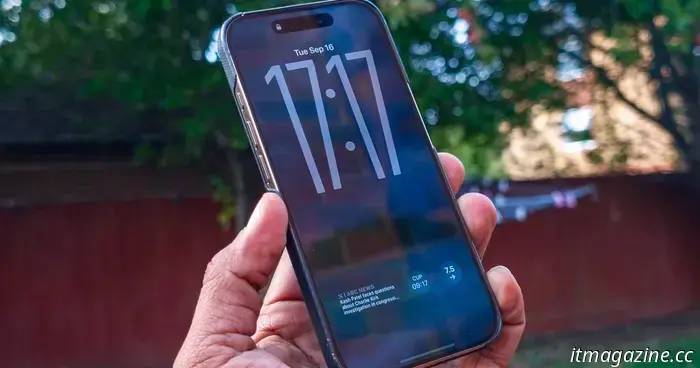 Transitioning from iPhone to Android is set to become significantly simpler.
iOS 26.3 brings native data transfers from iPhone to Android, easing the transition for users changing platforms and satisfying new interoperability standards without the need for additional apps.
Transitioning from iPhone to Android is set to become significantly simpler.
iOS 26.3 brings native data transfers from iPhone to Android, easing the transition for users changing platforms and satisfying new interoperability standards without the need for additional apps.
 Letter from the Editor-in-Chief
TNW is back with a new editor-in-chief, an updated vision, and a definitive mission: authentic journalism, human narratives, and meaningful technology.
Letter from the Editor-in-Chief
TNW is back with a new editor-in-chief, an updated vision, and a definitive mission: authentic journalism, human narratives, and meaningful technology.
 RAM prices are unpredictable, making this 32GB gaming PC priced at $979.99 appear increasingly appealing.
Given the steep prices of DDR5 RAM, having a prebuilt system that comes with 32GB of RAM already feels like a great deal. The addition of an Intel Core i7-14700F, RTX 5060 with 8GB, and a 1TB NVMe SSD for under $1000 makes this gaming PC highly recommendable. [...]
RAM prices are unpredictable, making this 32GB gaming PC priced at $979.99 appear increasingly appealing.
Given the steep prices of DDR5 RAM, having a prebuilt system that comes with 32GB of RAM already feels like a great deal. The addition of an Intel Core i7-14700F, RTX 5060 with 8GB, and a 1TB NVMe SSD for under $1000 makes this gaming PC highly recommendable. [...]
 iOS 26.3 introduces direct data transfer capabilities between iPhone and Android devices
Apple has subtly rolled out a significant enhancement in iOS 26.3 that could surprise many: it has become considerably easier for users to exit the iPhone ecosystem. This update includes a built-in utility that allows for the seamless transfer of your digital content to an Android phone without the need for dubious third-party applications or complicated steps.
With iOS 26.3, the barriers are down. Users can now directly move data from an iPhone to an Android device by simply placing the two phones next to each other. Once connected, a new option appears, enabling the migration of crucial data such as photos, messages, notes, contacts, passwords, apps, and even your phone number. The last significant change we witnessed was when Apple added toggles to lessen transparency in its interface after user feedback regarding its Liquid Glass design.
The entire procedure is wireless and does not require any applications. Users just need to scan a QR code displayed on the Android device or enter a pairing code to initiate the data transfer. For this feature to be effective, both phones must be updated to the latest software, connected to Wi-Fi, and have Bluetooth enabled.
However, it’s important to note that it does not create a full duplicate of your phone. Apple specifies that sensitive information such as Health data, Bluetooth pairings, and locked notes will remain on the iPhone. You can currently access this feature in the iOS 26.3 beta by navigating to Settings > General > Transfer or Reset iPhone > Transfer to Android.
Transitioning between platforms is finally becoming less difficult
The significance of this development lies in reducing friction. Traditionally, switching from iOS to Android was fraught with complications, including lost texts and disorganized group chats. By integrating this feature directly into the settings, Apple is alleviating the technical challenges that keep many users tied to their platform.
Even for those who are content with their iPhones, competition is beneficial. If you’ve ever been interested in a Pixel or Galaxy but hesitated due to the potential loss of years’ worth of memories or messages, that concern has substantially diminished. With both Google and Apple now facilitating direct transfers in both directions, users are no longer confined to a single platform due to the hassle of leaving it.
It’s worth mentioning that Apple didn’t implement this change solely out of goodwill. The European Commission confirmed last week that this system was developed to comply with the EU’s Digital Markets Act. The good news is that, while regulatory pressure prompted this feature, it is being rolled out worldwide, rather than being restricted to Europe.
Currently, this feature is in beta testing, but it is anticipated to become a standard aspect of iPhone setup soon. As iOS 26.3 launches publicly, we are likely to see this procedure become even more streamlined, promoting the notion that users can easily switch between Apple and Android without losing their digital data.
---
Waze introduces a new feature users have been requesting, albeit limited to one country
Waze appears to be gradually progressing toward incorporating traffic lights into its map—a feature users have long desired, especially since its competitor Google Maps added it back in 2022. Currently, this update is very limited and not widely released, but it signals a meaningful shift for the navigation app, which has typically focused more on live user alerts than on static map features.
According to GeekTime, Waze is testing traffic light icons in Israel. This feature is reportedly in the early experimental phases, with restrictions aimed at maintaining a clean visual display.
---
Gemini's latest update enhances local hotspot discovery
Google has started to roll out a new upgrade for Gemini on both desktop and mobile platforms, enhancing how it presents information from Google Maps. Instead of displaying a lengthy text followed by a map view filled with pins, Gemini can now present Google Maps results in a visually rich format that allows users access to photos, ratings, and real-world information.
When users inquire about nearby establishments like restaurants, parks, or attractions, Gemini now showcases an interactive map at the top featuring themed pins for various locations. Each location is highlighted with an individual card that includes images and star ratings, followed by a text response related to the user's request.
---
You might reconsider upgrading your phone in 2026 due to a memory crisis affecting the industry
Be cautious about upgrading your smartphone in 2026 as upcoming smartphone specifications may regress, not due to a lack of innovation, but rather because of rising costs for a critical component: memory. Prices for DRAM and NAND are climbing sharply and are projected to remain high through at least the first half of 2026.
The surge in demand for AI servers, data centers, and enterprise hardware solutions has led suppliers to increase prices. This pressure first influenced PC RAM costs, but it is extending to smartphones, tablets, and smartwatches. Major brands will likely respond in one of three ways: increasing prices
Kyrgyzstan is taking a significant step towards a digital future and is fully committed to this endeavor. By introducing USDKG, a gold-backed stablecoin worth $50 million that is tied to the U.S. dollar, the Central Asian country is indicating its intention to emerge as a formidable player in international trade. A hybrid strategy for stability So, […]
iOS 26.3 introduces direct data transfer capabilities between iPhone and Android devices
Apple has subtly rolled out a significant enhancement in iOS 26.3 that could surprise many: it has become considerably easier for users to exit the iPhone ecosystem. This update includes a built-in utility that allows for the seamless transfer of your digital content to an Android phone without the need for dubious third-party applications or complicated steps.
With iOS 26.3, the barriers are down. Users can now directly move data from an iPhone to an Android device by simply placing the two phones next to each other. Once connected, a new option appears, enabling the migration of crucial data such as photos, messages, notes, contacts, passwords, apps, and even your phone number. The last significant change we witnessed was when Apple added toggles to lessen transparency in its interface after user feedback regarding its Liquid Glass design.
The entire procedure is wireless and does not require any applications. Users just need to scan a QR code displayed on the Android device or enter a pairing code to initiate the data transfer. For this feature to be effective, both phones must be updated to the latest software, connected to Wi-Fi, and have Bluetooth enabled.
However, it’s important to note that it does not create a full duplicate of your phone. Apple specifies that sensitive information such as Health data, Bluetooth pairings, and locked notes will remain on the iPhone. You can currently access this feature in the iOS 26.3 beta by navigating to Settings > General > Transfer or Reset iPhone > Transfer to Android.
Transitioning between platforms is finally becoming less difficult
The significance of this development lies in reducing friction. Traditionally, switching from iOS to Android was fraught with complications, including lost texts and disorganized group chats. By integrating this feature directly into the settings, Apple is alleviating the technical challenges that keep many users tied to their platform.
Even for those who are content with their iPhones, competition is beneficial. If you’ve ever been interested in a Pixel or Galaxy but hesitated due to the potential loss of years’ worth of memories or messages, that concern has substantially diminished. With both Google and Apple now facilitating direct transfers in both directions, users are no longer confined to a single platform due to the hassle of leaving it.
It’s worth mentioning that Apple didn’t implement this change solely out of goodwill. The European Commission confirmed last week that this system was developed to comply with the EU’s Digital Markets Act. The good news is that, while regulatory pressure prompted this feature, it is being rolled out worldwide, rather than being restricted to Europe.
Currently, this feature is in beta testing, but it is anticipated to become a standard aspect of iPhone setup soon. As iOS 26.3 launches publicly, we are likely to see this procedure become even more streamlined, promoting the notion that users can easily switch between Apple and Android without losing their digital data.
---
Waze introduces a new feature users have been requesting, albeit limited to one country
Waze appears to be gradually progressing toward incorporating traffic lights into its map—a feature users have long desired, especially since its competitor Google Maps added it back in 2022. Currently, this update is very limited and not widely released, but it signals a meaningful shift for the navigation app, which has typically focused more on live user alerts than on static map features.
According to GeekTime, Waze is testing traffic light icons in Israel. This feature is reportedly in the early experimental phases, with restrictions aimed at maintaining a clean visual display.
---
Gemini's latest update enhances local hotspot discovery
Google has started to roll out a new upgrade for Gemini on both desktop and mobile platforms, enhancing how it presents information from Google Maps. Instead of displaying a lengthy text followed by a map view filled with pins, Gemini can now present Google Maps results in a visually rich format that allows users access to photos, ratings, and real-world information.
When users inquire about nearby establishments like restaurants, parks, or attractions, Gemini now showcases an interactive map at the top featuring themed pins for various locations. Each location is highlighted with an individual card that includes images and star ratings, followed by a text response related to the user's request.
---
You might reconsider upgrading your phone in 2026 due to a memory crisis affecting the industry
Be cautious about upgrading your smartphone in 2026 as upcoming smartphone specifications may regress, not due to a lack of innovation, but rather because of rising costs for a critical component: memory. Prices for DRAM and NAND are climbing sharply and are projected to remain high through at least the first half of 2026.
The surge in demand for AI servers, data centers, and enterprise hardware solutions has led suppliers to increase prices. This pressure first influenced PC RAM costs, but it is extending to smartphones, tablets, and smartwatches. Major brands will likely respond in one of three ways: increasing prices
Kyrgyzstan is taking a significant step towards a digital future and is fully committed to this endeavor. By introducing USDKG, a gold-backed stablecoin worth $50 million that is tied to the U.S. dollar, the Central Asian country is indicating its intention to emerge as a formidable player in international trade. A hybrid strategy for stability So, […]
 An executive from OpenAI has stated that ChatGPT will evolve into an operating system.
OpenAI is investigating a future in which ChatGPT evolves from a chatbot into an operating system. Senior executives have indicated that ChatGPT could become a central hub where various apps, tools, and services operate from a single platform.
An executive from OpenAI has stated that ChatGPT will evolve into an operating system.
OpenAI is investigating a future in which ChatGPT evolves from a chatbot into an operating system. Senior executives have indicated that ChatGPT could become a central hub where various apps, tools, and services operate from a single platform.
 The iPhone 17e could address major shortcomings of the iPhone 16e by incorporating MagSafe charging and the C1X modem.
With speculated MagSafe compatibility, increased wireless charging speeds, and Apple's new C1X modem, the upcoming "e" model might surpass many previous iPhone versions.
The iPhone 17e could address major shortcomings of the iPhone 16e by incorporating MagSafe charging and the C1X modem.
With speculated MagSafe compatibility, increased wireless charging speeds, and Apple's new C1X modem, the upcoming "e" model might surpass many previous iPhone versions.
You can now stream Apple TV content to your television using an Android device.
The most recent update for the Apple TV app on Android introduces Google Cast support, enabling users to stream content to their TVs and smart displays.