
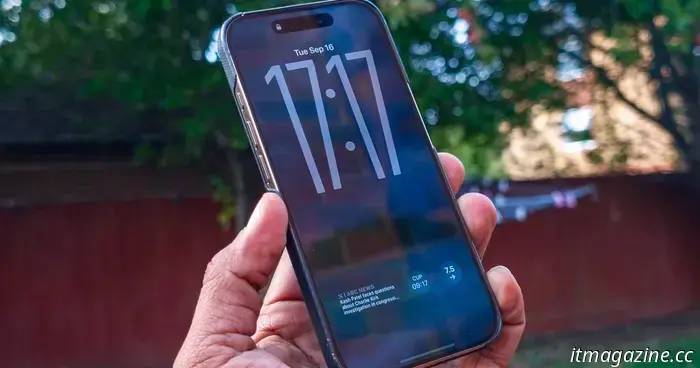
Transitioning from iPhone to Android is set to become significantly simpler.
iOS 26.3 introduces direct data transfer capabilities between iPhone and Android devices
Apple has subtly rolled out a significant enhancement in iOS 26.3 that could surprise many: it has become considerably easier for users to exit the iPhone ecosystem. This update includes a built-in utility that allows for the seamless transfer of your digital content to an Android phone without the need for dubious third-party applications or complicated steps.
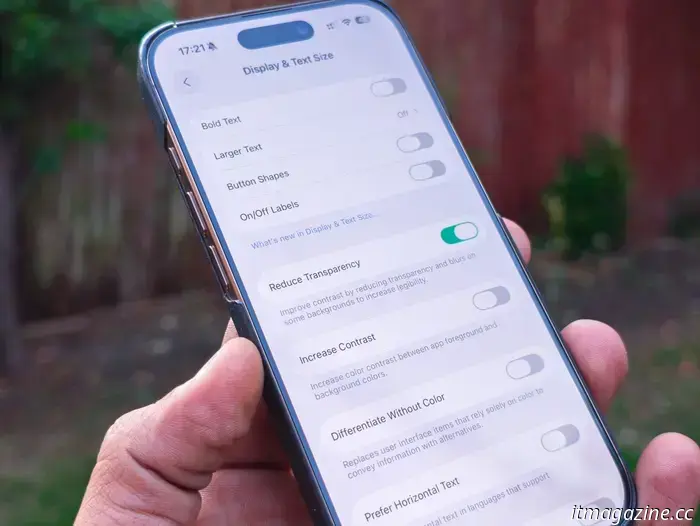
With iOS 26.3, the barriers are down. Users can now directly move data from an iPhone to an Android device by simply placing the two phones next to each other. Once connected, a new option appears, enabling the migration of crucial data such as photos, messages, notes, contacts, passwords, apps, and even your phone number. The last significant change we witnessed was when Apple added toggles to lessen transparency in its interface after user feedback regarding its Liquid Glass design.
The entire procedure is wireless and does not require any applications. Users just need to scan a QR code displayed on the Android device or enter a pairing code to initiate the data transfer. For this feature to be effective, both phones must be updated to the latest software, connected to Wi-Fi, and have Bluetooth enabled.
However, it’s important to note that it does not create a full duplicate of your phone. Apple specifies that sensitive information such as Health data, Bluetooth pairings, and locked notes will remain on the iPhone. You can currently access this feature in the iOS 26.3 beta by navigating to Settings > General > Transfer or Reset iPhone > Transfer to Android.
Transitioning between platforms is finally becoming less difficult
The significance of this development lies in reducing friction. Traditionally, switching from iOS to Android was fraught with complications, including lost texts and disorganized group chats. By integrating this feature directly into the settings, Apple is alleviating the technical challenges that keep many users tied to their platform.
Even for those who are content with their iPhones, competition is beneficial. If you’ve ever been interested in a Pixel or Galaxy but hesitated due to the potential loss of years’ worth of memories or messages, that concern has substantially diminished. With both Google and Apple now facilitating direct transfers in both directions, users are no longer confined to a single platform due to the hassle of leaving it.
It’s worth mentioning that Apple didn’t implement this change solely out of goodwill. The European Commission confirmed last week that this system was developed to comply with the EU’s Digital Markets Act. The good news is that, while regulatory pressure prompted this feature, it is being rolled out worldwide, rather than being restricted to Europe.
Currently, this feature is in beta testing, but it is anticipated to become a standard aspect of iPhone setup soon. As iOS 26.3 launches publicly, we are likely to see this procedure become even more streamlined, promoting the notion that users can easily switch between Apple and Android without losing their digital data.
---
Waze introduces a new feature users have been requesting, albeit limited to one country
Waze appears to be gradually progressing toward incorporating traffic lights into its map—a feature users have long desired, especially since its competitor Google Maps added it back in 2022. Currently, this update is very limited and not widely released, but it signals a meaningful shift for the navigation app, which has typically focused more on live user alerts than on static map features.
According to GeekTime, Waze is testing traffic light icons in Israel. This feature is reportedly in the early experimental phases, with restrictions aimed at maintaining a clean visual display.
---
Gemini's latest update enhances local hotspot discovery
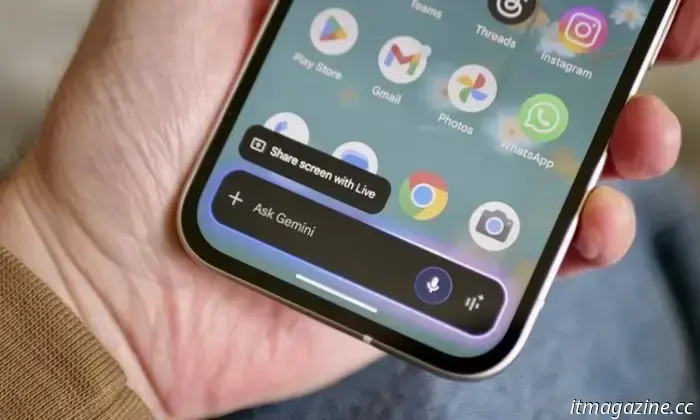
Google has started to roll out a new upgrade for Gemini on both desktop and mobile platforms, enhancing how it presents information from Google Maps. Instead of displaying a lengthy text followed by a map view filled with pins, Gemini can now present Google Maps results in a visually rich format that allows users access to photos, ratings, and real-world information.
When users inquire about nearby establishments like restaurants, parks, or attractions, Gemini now showcases an interactive map at the top featuring themed pins for various locations. Each location is highlighted with an individual card that includes images and star ratings, followed by a text response related to the user's request.
---
You might reconsider upgrading your phone in 2026 due to a memory crisis affecting the industry
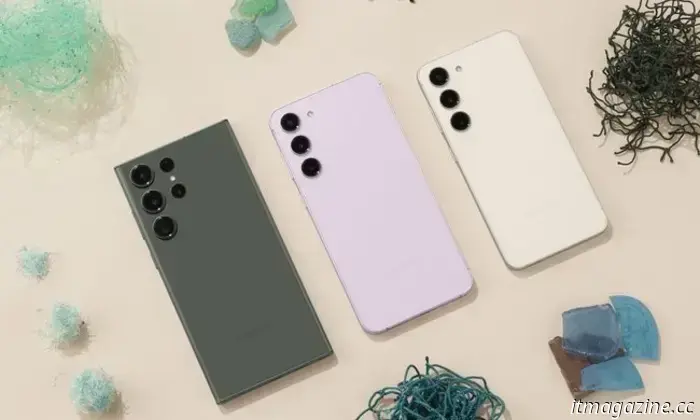
Be cautious about upgrading your smartphone in 2026 as upcoming smartphone specifications may regress, not due to a lack of innovation, but rather because of rising costs for a critical component: memory. Prices for DRAM and NAND are climbing sharply and are projected to remain high through at least the first half of 2026.
The surge in demand for AI servers, data centers, and enterprise hardware solutions has led suppliers to increase prices. This pressure first influenced PC RAM costs, but it is extending to smartphones, tablets, and smartwatches. Major brands will likely respond in one of three ways: increasing prices
Other articles
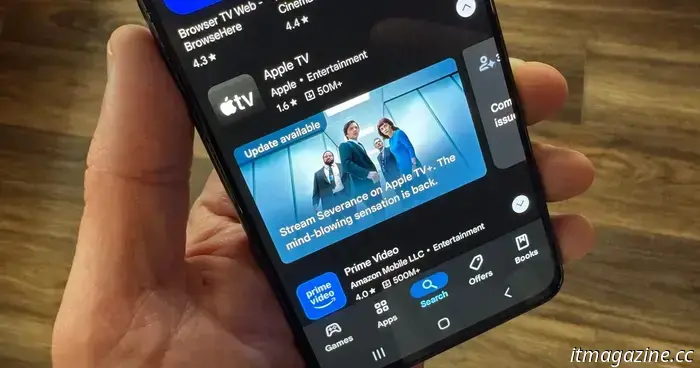 You can now stream Apple TV content to your television using an Android device.
The most recent update for the Apple TV app on Android introduces Google Cast support, enabling users to stream content to their TVs and smart displays.
You can now stream Apple TV content to your television using an Android device.
The most recent update for the Apple TV app on Android introduces Google Cast support, enabling users to stream content to their TVs and smart displays.
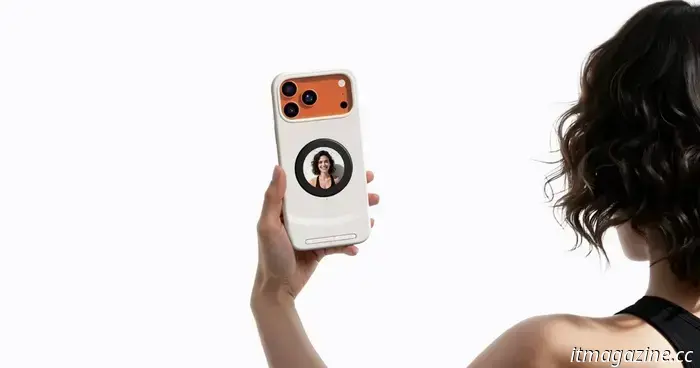 This case has the potential to transform your iPhone 17 Pro into a selfie-taking machine.
Dockcase has introduced a new case for the iPhone 17 Pro that features a secondary screen on the back, functioning as a live viewfinder for taking selfies.
This case has the potential to transform your iPhone 17 Pro into a selfie-taking machine.
Dockcase has introduced a new case for the iPhone 17 Pro that features a secondary screen on the back, functioning as a live viewfinder for taking selfies.
 This Roborock S8 MaxV Ultra promotion offers a $900 discount on an exceptionally low-maintenance cleaning solution.
If you’re exhausted from managing a separate vacuum, mop, and an underwhelming charging dock that barely serves its purpose, this upgrade could transform your entire cleaning routine. The Roborock S8 MaxV Ultra is the flagship model of the brand, combining powerful suction with a comprehensive 8-in-1 design.
This Roborock S8 MaxV Ultra promotion offers a $900 discount on an exceptionally low-maintenance cleaning solution.
If you’re exhausted from managing a separate vacuum, mop, and an underwhelming charging dock that barely serves its purpose, this upgrade could transform your entire cleaning routine. The Roborock S8 MaxV Ultra is the flagship model of the brand, combining powerful suction with a comprehensive 8-in-1 design.
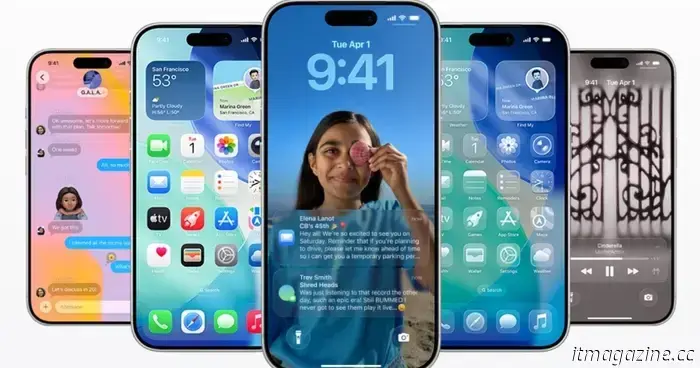 iOS 26.3 provides an official preview of a handy tool for migrating from iPhone to Android.
Apple's iOS 26.3 beta brings the most efficient iPhone-to-Android transfer tool to date, along with enhanced notification support for third-party gadgets.
iOS 26.3 provides an official preview of a handy tool for migrating from iPhone to Android.
Apple's iOS 26.3 beta brings the most efficient iPhone-to-Android transfer tool to date, along with enhanced notification support for third-party gadgets.
 RAM prices are unpredictable, making this 32GB gaming PC priced at $979.99 appear increasingly appealing.
Given the steep prices of DDR5 RAM, having a prebuilt system that comes with 32GB of RAM already feels like a great deal. The addition of an Intel Core i7-14700F, RTX 5060 with 8GB, and a 1TB NVMe SSD for under $1000 makes this gaming PC highly recommendable. [...]
RAM prices are unpredictable, making this 32GB gaming PC priced at $979.99 appear increasingly appealing.
Given the steep prices of DDR5 RAM, having a prebuilt system that comes with 32GB of RAM already feels like a great deal. The addition of an Intel Core i7-14700F, RTX 5060 with 8GB, and a 1TB NVMe SSD for under $1000 makes this gaming PC highly recommendable. [...]
 Santa isn't the only one keeping an eye out: Get a 50% discount on Webroot cybersecurity.
This post is sponsored in collaboration with Webroot. The holidays typically offer a chance to unwind, but for cybercriminals, this is their most active period. With online shopping, travel arrangements, and children installing new games on new gadgets, our digital presence greatly increases in December. It’s an ideal moment to […]
Santa isn't the only one keeping an eye out: Get a 50% discount on Webroot cybersecurity.
This post is sponsored in collaboration with Webroot. The holidays typically offer a chance to unwind, but for cybercriminals, this is their most active period. With online shopping, travel arrangements, and children installing new games on new gadgets, our digital presence greatly increases in December. It’s an ideal moment to […]
Transitioning from iPhone to Android is set to become significantly simpler.
iOS 26.3 brings native data transfers from iPhone to Android, easing the transition for users changing platforms and satisfying new interoperability standards without the need for additional apps.