
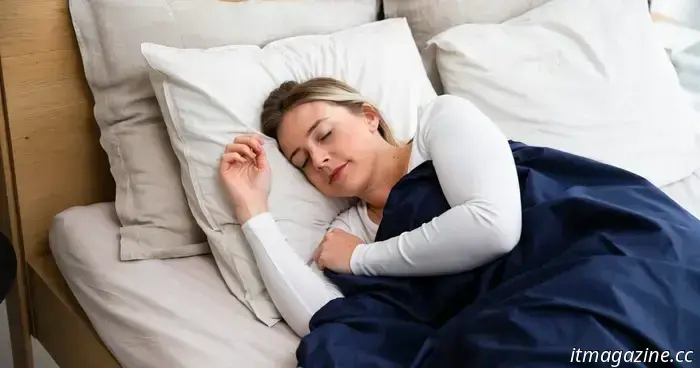
How sleep technology is transforming your nights
There’s nothing quite like waking up exhausted and immediately blaming the nearest non-living thing: the mattress. However, sleep technology hasn't remained stagnant. It has been gradually infiltrating the bedroom in subtle ways, altering how mattresses manage cooling, support, and their responsiveness to you.
Companies like Novilla are leading this advancement, designing mattresses with the tech-first mentality that individuals now anticipate in everything from their smartphones to their fitness gear. The emphasis is on materials that react to heat, movement, and pressure, rather than ignoring these factors. Mattresses have finally evolved to align with the way real people sleep, and if brands fail to adapt, they'll fall behind.
When temperature influences everything
Heat can be a greater adversary than any fictional villain. It's a tangible issue. As you drift off to sleep, your body cools, but your mattress may not cooperate. If it retains heat, you might wake up drenched in sweat and likely second-guessing your entire sleeping arrangement in the middle of the night.
Brands have begun modifying foam behavior. Higher concentrations of gel, open-cell structures, and cooling layers are now designed to transfer heat away from the body, preventing it from accumulating in uncomfortable hot spots. These innovations could help eliminate the 'waking up overheated' dilemma that disrupts sleep for many.
The cover also plays a crucial role. Certain fabrics allow air to flow through the top layer, preventing a clingy surface, while others expedite moisture wicking to avoid a humid feel. Everyone aims for the same outcome: uninterrupted sleep.
Support that aligns with your body
Many individuals only venture into mattress shopping when their back finally protests. If a mattress is too firm, pressure builds in the shoulders and hips; if too soft, the spine can become misaligned. Contemporary designs strive to achieve a balance through layered foams and zones that accommodate curves rather than flatten them.
Novilla’s Bliss mattress takes this principle to heart, utilizing ACA-recognized spinal support to maintain better alignment. When the body isn't battling the mattress all night, muscles can relax rather than work excessively. This minor improvement can make waking up easier.
The science of comfort
The National Library of Medicine estimates that “up to 80% of people will experience low back pain at some stage in their lives.” Today, brands like Novilla are incorporating ergonomic sleep surfaces with effective pressure distribution technology to help alleviate discomfort.
Foam has evolved beyond its basic form. It now reacts to weight, movement, and heat, enhancing the bed's responsiveness. Memory foams become softer as they warm, leading manufacturers to adjust density to prevent that “stuck” sensation or the overly firm resistance that causes more tossing and turning than restful sleep.
Hybrid mattresses integrate springs for lift while foam provides contouring. When this combination works effectively, movement feels effortless, and the mattress offers support without rigidity. The more restful your body is at night, the better your brain can truly relax.
Sustainability is increasingly important
Consumers are no longer purchasing mattresses without careful consideration. They examine labels, conduct research, and inquire about the materials used and what’s actually within the cover. Certifications like CertiPUR-US, OEKO-TEX, and ISPA assist shoppers in determining whether materials adhere to safety and environmental criteria without transforming bedtime into a lesson in chemistry.
Novilla is attentive to these factors when selecting foams with lower emissions and breathable covers that eschew harsh chemical finishes. This approach resonates with many younger consumers who are mindful of their purchasing values. Comfort is essential, but ensuring the product aligns with their principles is equally critical.
The future of mattress technology
The objective in mattress design remains consistent: to eliminate the struggle between people and their beds. Cooling layers may continue to advance, pressure relief will become more sophisticated, and sustainability criteria will keep improving due to consumer expectations. When all these elements align, sleep will finally feel less like a gamble and more like a reliable experience.
Digital Trends collaborates with external contributors. All content from contributors is reviewed by the Digital Trends editorial team.
Other articles
 Meta's Threads reinforces its focus on Communities by introducing a "Champion" badge and new profile labels.
Meta's Threads is intensifying its focus on topic-oriented areas with a broader rollout of Communities and is testing badges for notable contributors.
Meta's Threads reinforces its focus on Communities by introducing a "Champion" badge and new profile labels.
Meta's Threads is intensifying its focus on topic-oriented areas with a broader rollout of Communities and is testing badges for notable contributors.
 NASA's 'Moonbound' generates excitement for its monumental Artemis II mission.
As NASA's first mission to the moon in fifty years approaches, possibly just a few months away, the space agency has launched the inaugural episode of a new series centered on this eagerly awaited endeavor. Titled "Moonbound – Charting the Course," the 22-minute episode provides an in-depth exploration of the ongoing preparations.
NASA's 'Moonbound' generates excitement for its monumental Artemis II mission.
As NASA's first mission to the moon in fifty years approaches, possibly just a few months away, the space agency has launched the inaugural episode of a new series centered on this eagerly awaited endeavor. Titled "Moonbound – Charting the Course," the 22-minute episode provides an in-depth exploration of the ongoing preparations.
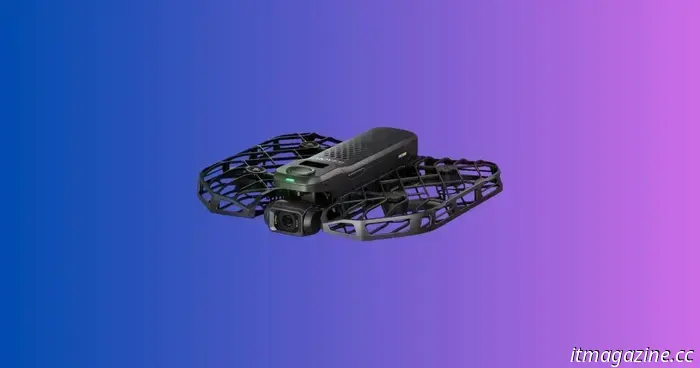 This small drone monitors, records, and follows you, and it now comes at a reasonable price.
If you’ve ever desired the sleek tracking shots and aerial views featured in travel vlogs and TikToks but prefer not to deal with a full-sized drone, this offer is definitely worth considering. The HOVERAir X1 PROMAX is a small, autonomous camera drone made to fit in your bag and take care of the filming for you. [...]
This small drone monitors, records, and follows you, and it now comes at a reasonable price.
If you’ve ever desired the sleek tracking shots and aerial views featured in travel vlogs and TikToks but prefer not to deal with a full-sized drone, this offer is definitely worth considering. The HOVERAir X1 PROMAX is a small, autonomous camera drone made to fit in your bag and take care of the filming for you. [...]
 Your upcoming Samsung Galaxy A series smartphone might have a higher price tag.
Samsung's forthcoming devices may see a price increase, potentially affecting more than just its flagship Galaxy S26 series. A report from early last month indicated that the company might increase the prices of its next-generation flagship models due to the escalating costs of essential components such as SoCs, camera modules, and RAM. Recently, a new leak suggests that [...]
Your upcoming Samsung Galaxy A series smartphone might have a higher price tag.
Samsung's forthcoming devices may see a price increase, potentially affecting more than just its flagship Galaxy S26 series. A report from early last month indicated that the company might increase the prices of its next-generation flagship models due to the escalating costs of essential components such as SoCs, camera modules, and RAM. Recently, a new leak suggests that [...]
 Microsoft Copilot subtly appears on LG TVs, and it cannot be removed.
Owners of LG TVs are finding Microsoft Copilot appearing on their home screens after a recent software update. The AI assistant installs itself automatically and cannot be deleted, demonstrating that AI functionalities are becoming integral components of smart TV systems.
Microsoft Copilot subtly appears on LG TVs, and it cannot be removed.
Owners of LG TVs are finding Microsoft Copilot appearing on their home screens after a recent software update. The AI assistant installs itself automatically and cannot be deleted, demonstrating that AI functionalities are becoming integral components of smart TV systems.
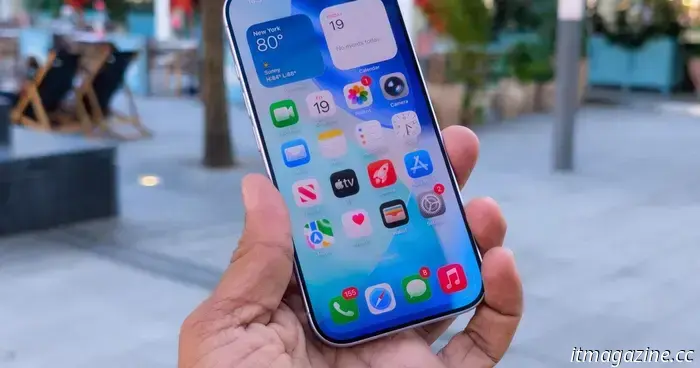 You will soon have the ability to get iPhone notifications on a Galaxy smartwatch.
Apple has recently launched the initial beta version of iOS 26.3, which comes with a variety of new features for compatible iPhones. This update includes a new transfer tool intended to facilitate a smoother transition to an Android device, a Weather wallpaper section for customizing the lock screen, and, perhaps most importantly, the capability to view iPhone notifications on […]
You will soon have the ability to get iPhone notifications on a Galaxy smartwatch.
Apple has recently launched the initial beta version of iOS 26.3, which comes with a variety of new features for compatible iPhones. This update includes a new transfer tool intended to facilitate a smoother transition to an Android device, a Weather wallpaper section for customizing the lock screen, and, perhaps most importantly, the capability to view iPhone notifications on […]
How sleep technology is transforming your nights
There’s nothing quite like waking up feeling exhausted and immediately pointing the finger at the closest inanimate object: the mattress. However, sleep technology has been evolving. It has been gradually making its way into the bedroom, altering how mattresses offer cooling, support, and responsiveness. Companies like Novilla are leading this advancement by creating mattresses that embrace a technology-driven approach.