

Reasons why I think Samsung should produce the Galaxy S26 Edge instead of canceling it.
The outlook for ultra-slim phones isn't very promising, even after a brief stint. A report from Taiwan indicates that the perceived failure of the iPhone Air has led several companies to abandon their own slim phone projects. Samsung may also be reconsidering its approach.
Many leaks indicate that Samsung has scrapped plans for the Galaxy S25 Edge successor and will instead focus on the mid-tier Plus model next year. The reported cancellation of the Galaxy S26 Edge raises concerns about Samsung’s commitment to its product strategy.
This situation feels reminiscent of the slim phone competition from nearly ten years ago, when some Chinese brands released devices even thinner than the iPhone Air. Now, Samsung introduced a slim phone ahead of Apple, only to find it may have been a one-time event. I truly believe that Samsung should have proceeded with the Galaxy S26 Edge.
A boost of creativity
Smartphone innovation is experiencing a resurgence. Interestingly, Samsung was a pioneer in this area with its foldable phones that can open like a book or fold like a compact clamshell. The original Galaxy Fold had its challenges, but now with the Galaxy Z Fold 7, it feels like the future has arrived.
However, foldable phones come with a high price tag. This is not just due to the initial cost but also because of their vulnerability and expensive repair needs. Our research has highlighted repairability issues with Samsung’s foldables, and many users I've spoken to have shared similar experiences regarding costly repairs.
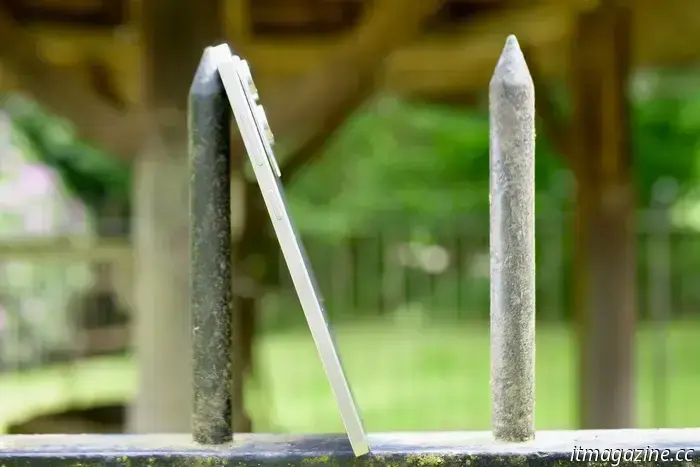
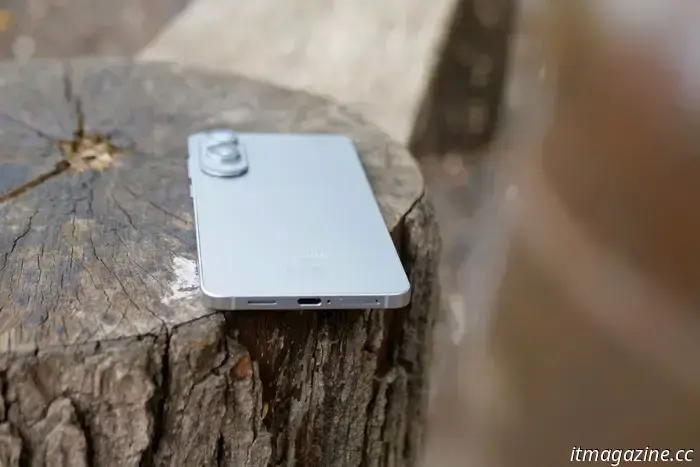
With a phone like the Galaxy S25 Edge, such concerns are minimal. You're investing in a sleeker device without compromising durability—it's just a more stylish option with some minor trade-offs. But there's a lesson to be learned from the iPhone Air.
Apple’s ultra-slim phone—when evaluated objectively—offers less value than the Galaxy S25 Edge for the price. Nonetheless, nearly every user I've encountered expresses their affection for the iPhone Air. They appreciate it for what it is—a slim iPhone that breaks away from the norm.
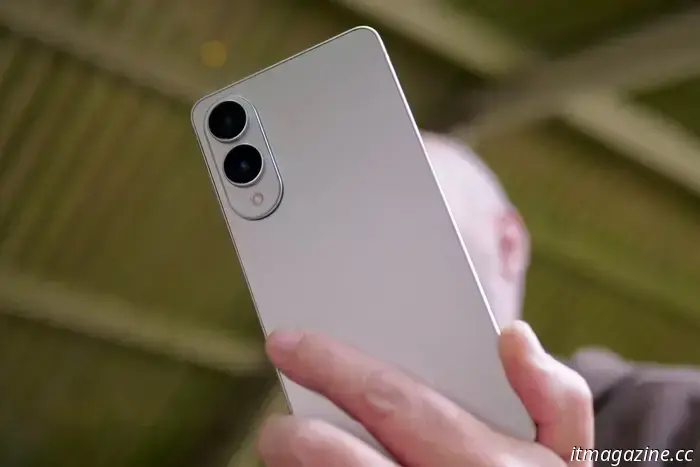
While the absence of a secondary camera is often a topic of debate, users have adapted. Samsung has already surpassed Apple by providing a larger primary camera and a dedicated ultrawide camera. The issue lies in Samsung failing to present this in a fresh design.
Samsung faces a persistent design challenge, which hindered the appeal of the S25 Edge for many, including myself. It was merely slim but did not offer a distinctive “typical Samsung look.” The company could have drawn inspiration from Apple and created an entirely new aesthetic.
The Galaxy S26 Edge could have been an excellent candidate for such a transformation. It wasn’t intended to be a mass-market device but rather one that appealed to those seeking something unique. The iPhone Air achieved this, and the Galaxy S26 Edge should have followed its example.
Samsung was on the brink
Despite its slim profile, the Galaxy S25 Edge was fairly close to being a standard phone, akin to the iPhone 17. However, it did involve some compromises. The most notable drawbacks were an unusually small battery and the absence of a zoom camera. Perhaps it also needed faster wired charging and improved thermal performance.
Samsung merely needed to address these minor issues with the Galaxy S25 Edge and deliver a more polished package with the Galaxy S26 Edge. The brand did not have to create something from scratch—just embrace existing technology.
For instance, silicon-carbon batteries could have addressed multiple concerns simultaneously. Take the new Honor 5000 series phones as an example: despite being only 7.7mm thick, they feature an impressive 8,000 mAh battery while maintaining a compact 6.5-inch screen size. That’s over twice the battery capacity of the Galaxy S25 Edge, which is 5.8mm thick.
With only a 1.9mm difference in thickness, the silicon-carbon technology enabled Honor to include a battery with more than double the capacity. Additionally, the phone supports 80W wired charging (nearly twice that of Samsung), 50W wired charging, and 27W reverse wireless charging.
Samsung could have achieved similar results by embracing this technology. It's surprising that, despite its history of bold innovation, Samsung continues to overlook silicon-carbon battery technology, especially in a form factor where it could make a significant impact.
“Samsung is always looking at every emerging technology available. We are definitely keeping our eyes on it,” Blake Glaser, director of smartphone product management at Samsung Electronics America, recently told Tom’s Guide.
When it comes to cameras, Samsung has already shown that it can implement dual-camera systems while remaining in the same thinness range as the iPhone Air, which features only a single rear camera. If the Moto X7 Air is any indication, it’s possible to include three rear cameras and a larger battery in a device that’s just 5.99mm thick.
A lost opportunity for redemption
Samsung is uniquely positioned among smartphone manufacturers to create a superior slim phone,



Other articles
 In an unexpected turn of events, the prices for Netflix and HBO Max may decrease.
A bundle deal seems to be in the works that could help you save money as Netflix considers acquiring Warner Bros Discovery.
In an unexpected turn of events, the prices for Netflix and HBO Max may decrease.
A bundle deal seems to be in the works that could help you save money as Netflix considers acquiring Warner Bros Discovery.
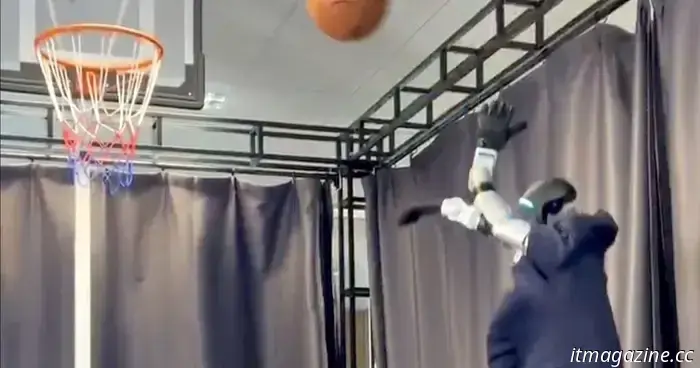 This remarkable humanoid robot plays basketball at a professional level, truly.
While many humanoid robots seem to move as if they are experiencing back pain or knee issues, Unitree's G1 robot made its debut last year, showcasing remarkable fluidity. Digital Trends has previously highlighted the G1's capability to navigate in a manner that could make even the best gymnasts green with envy, featuring several videos demonstrating its agility.
This remarkable humanoid robot plays basketball at a professional level, truly.
While many humanoid robots seem to move as if they are experiencing back pain or knee issues, Unitree's G1 robot made its debut last year, showcasing remarkable fluidity. Digital Trends has previously highlighted the G1's capability to navigate in a manner that could make even the best gymnasts green with envy, featuring several videos demonstrating its agility.
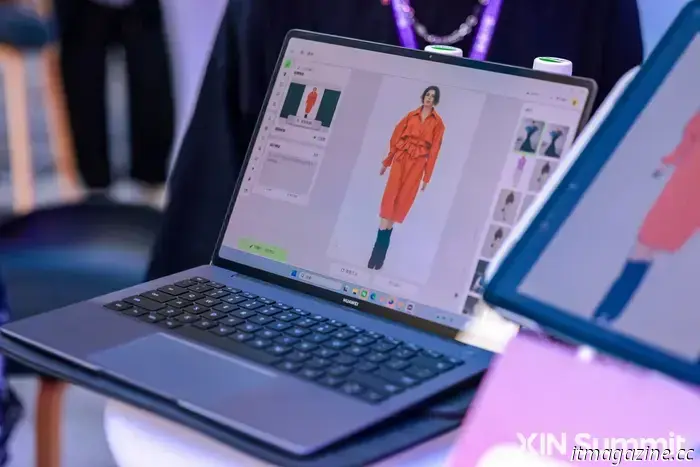 Observe how AI brings the future of fashion design to life in real-time, powered by AI and accessible right at your fingertips.
With the increasing convergence of technology and fashion, artificial intelligence is slowly changing the fashion design process. Look AI, developed by a technology company in Shenzhen,
Observe how AI brings the future of fashion design to life in real-time, powered by AI and accessible right at your fingertips.
With the increasing convergence of technology and fashion, artificial intelligence is slowly changing the fashion design process. Look AI, developed by a technology company in Shenzhen,
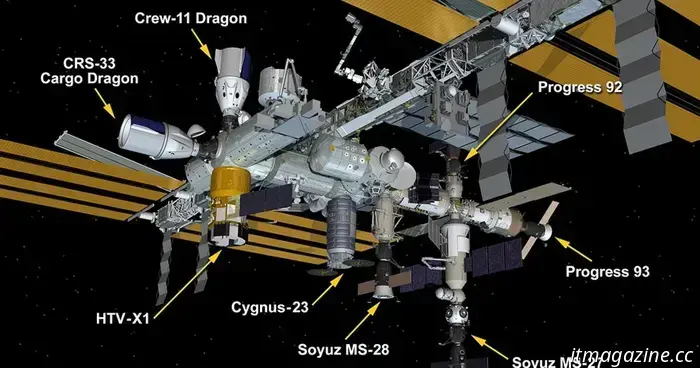 The space station has accomplished something for the first time ever.
The International Space Station (ISS) has been circling the Earth for 25 years. However, it was only this week that all eight of its docking ports were occupied simultaneously. Currently docked at the orbital facility are two SpaceX Dragons, a Cygnus XL, and JAXA’s (Japan Aerospace [...].
The space station has accomplished something for the first time ever.
The International Space Station (ISS) has been circling the Earth for 25 years. However, it was only this week that all eight of its docking ports were occupied simultaneously. Currently docked at the orbital facility are two SpaceX Dragons, a Cygnus XL, and JAXA’s (Japan Aerospace [...].
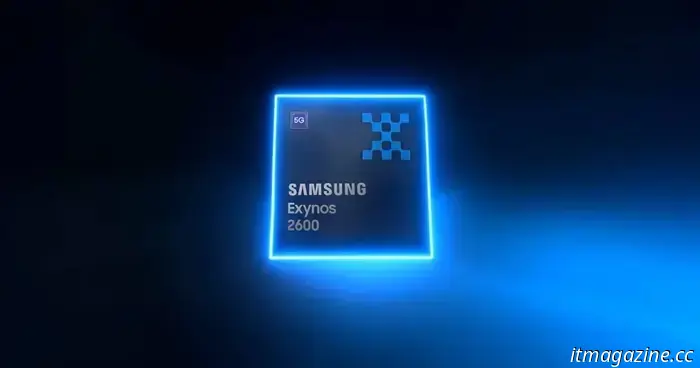 Samsung acknowledges hearing negative feedback and commits to improving the Galaxy S26 chipset.
The upcoming Exynos 2600 is approaching its launch, but it’s still uncertain which S26 series smartphones will include it.
Samsung acknowledges hearing negative feedback and commits to improving the Galaxy S26 chipset.
The upcoming Exynos 2600 is approaching its launch, but it’s still uncertain which S26 series smartphones will include it.
 Your Android conversations are set to become more straightforward, secure, and manageable.
Android phones are undergoing significant upgrades, including emotion-aware captions, AI for scam detection, labels for urgent calls, safer group chats, and better browsing features, which will enhance everyday communication and security.
Your Android conversations are set to become more straightforward, secure, and manageable.
Android phones are undergoing significant upgrades, including emotion-aware captions, AI for scam detection, labels for urgent calls, safer group chats, and better browsing features, which will enhance everyday communication and security.
Reasons why I think Samsung should produce the Galaxy S26 Edge instead of canceling it.
It has been reported that Samsung has shelved the upcoming Edge-series slim phone, but the company could have allowed it another opportunity to succeed.