
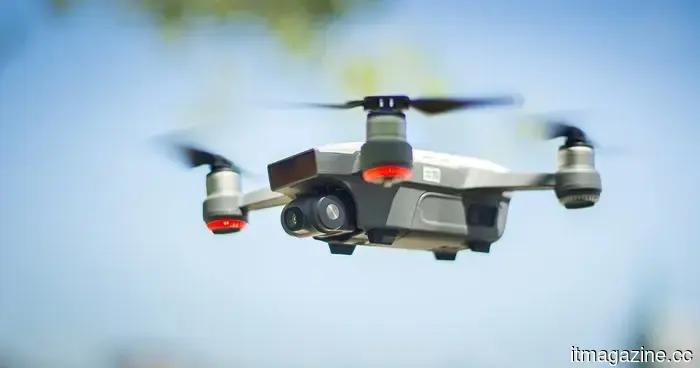
The FCC is looking to prohibit certain drones that it has previously authorized. This situation is becoming quite complicated.
FCC is considering extending drone restrictions to previously approved DJI models.
The U.S. Federal Communications Commission (FCC) is contemplating a decision that might complicate matters for drone purchasers. The agency aims to widen its current restrictions to include specific drones that possess features like LiDAR sensing, thermal imaging, and aerosol-dispensing systems. The unusual aspect? Some of these drones had already been authorized for sale in the U.S.
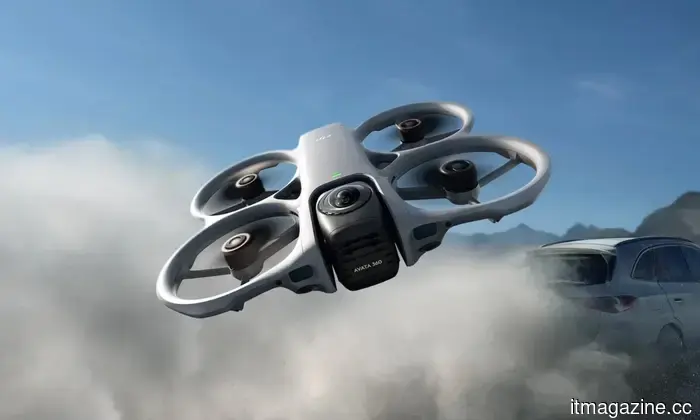
According to a report from DJI's own blog, this new circumstance places several DJI models under scrutiny, including the Air 3S, Avata 360, and Mini 5 Pro. If the proposal is accepted, these drones could be removed from the U.S. market, despite prior FCC approval. However, if you own one, there's no need to worry about the government taking it away.
What exactly is the FCC proposing?
The FCC states that it is exploring the possibility of expanding its drone restrictions to include products that could have military applications or pose specific national security threats. The agency is currently inviting public comments on this proposal.
This development marks the next phase in a campaign initiated in December 2025 when the FCC added foreign-made drones and their essential components to its Covered List. This initially affected upcoming products, while older drones that had already received FCC approval could still be sold.
The scope of these restrictions has since broadened. Last month, the FCC expanded its limitations to include products sold by companies suspected of rebranding DJI devices. Now, it’s looking to address specific drone capabilities as well. This is a significant change because the inquiry is evolving from simply "Who manufactured this drone?" to potentially "What functionalities does this drone have?"
If you own one, there's no need to panic.
Here's some good news: current owners won't be impacted by this proposal. The FCC claims that a ban would not affect drones that individuals have already purchased. The less favorable news concerns future implications. If manufacturers are prohibited from selling more units in the U.S., acquiring replacement parts may eventually become more difficult. Software functionalities and updates could also face challenges if ongoing support is hindered by the new restrictions.
And this issue isn't limited to consumers. DJI's commercial drones are utilized in activities like agricultural spraying and search-and-rescue operations, meaning that restrictions could also impact businesses and public agencies. DJI is not pleased with this situation. The company characterized the FCC's latest proposal as a “total reversal” of its previous stance in its official response. The FCC is accepting comments until September 2.
For the moment, your DJI drone is not suddenly deemed illegal. However, the U.S. is gradually moving toward a scenario where a drone that was perfectly permissible for sale yesterday could be prohibited the next day. That aspect is certainly worth monitoring.



Other articles
 Aptoide is the first third-party app store to be featured within Google Play.
After Google's legal dispute with Epic Games, Aptoide Games became the first third-party app store to officially debut on Google Play in the United States.
Aptoide is the first third-party app store to be featured within Google Play.
After Google's legal dispute with Epic Games, Aptoide Games became the first third-party app store to officially debut on Google Play in the United States.
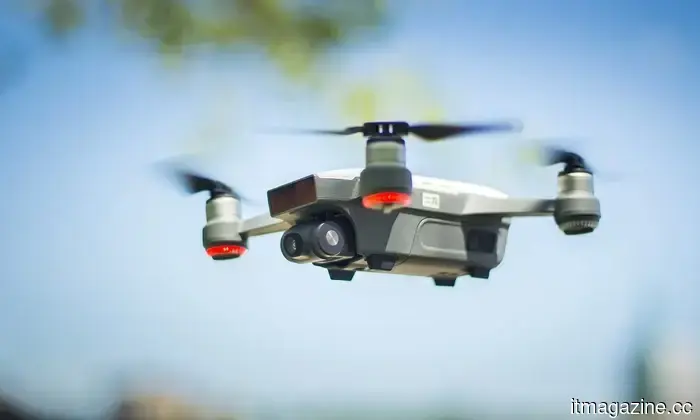
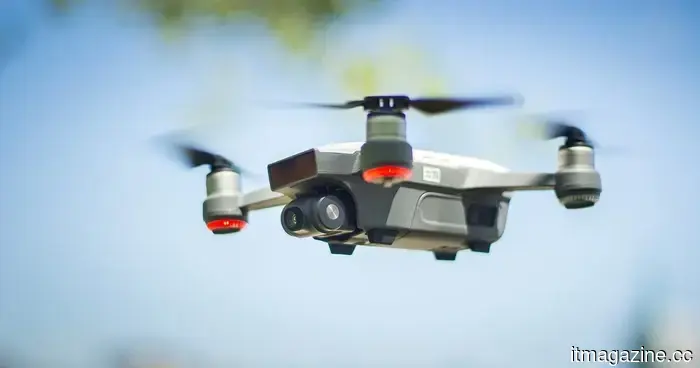 The FCC intends to prohibit certain drones that it has previously authorized. This situation is becoming quite complex.
The FCC is evaluating regulations that might prohibit the sale of certain DJI drones that have already received approval in the US. Current owners would remain unaffected.
The FCC intends to prohibit certain drones that it has previously authorized. This situation is becoming quite complex.
The FCC is evaluating regulations that might prohibit the sale of certain DJI drones that have already received approval in the US. Current owners would remain unaffected.
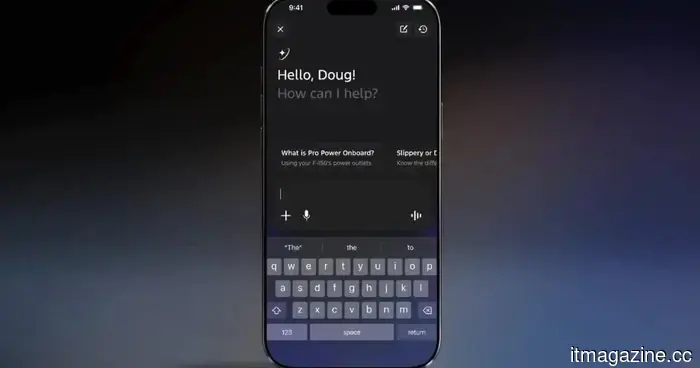 Ford's latest AI assistant helps you avoid searching for that dashboard warning light on Google.
Ford's new AI assistant, now available in the Ford and Lincoln apps, addresses specific inquiries regarding your vehicle by utilizing live telemetry, with a comprehensive in-car version expected to launch in 2027.
Ford's latest AI assistant helps you avoid searching for that dashboard warning light on Google.
Ford's new AI assistant, now available in the Ford and Lincoln apps, addresses specific inquiries regarding your vehicle by utilizing live telemetry, with a comprehensive in-car version expected to launch in 2027.
 The Minimal Phone 2 features an AMOLED screen and 5G connectivity while still retaining its vintage appeal.
Minimal's second-generation phone replaces its distraction-resistant E Ink display with an OLED screen and 5G capabilities, housed in a curved aluminum design that eliminates the headphone jack completely.
The Minimal Phone 2 features an AMOLED screen and 5G connectivity while still retaining its vintage appeal.
Minimal's second-generation phone replaces its distraction-resistant E Ink display with an OLED screen and 5G capabilities, housed in a curved aluminum design that eliminates the headphone jack completely.
 Valve is alerting Steam Machine purchasers that scammers may have access to their addresses.
A cyberattack targeting the logistics company CEVA revealed the names, addresses, and phone numbers of purchasers of European Steam Machines and Controllers.
Valve is alerting Steam Machine purchasers that scammers may have access to their addresses.
A cyberattack targeting the logistics company CEVA revealed the names, addresses, and phone numbers of purchasers of European Steam Machines and Controllers.
 Valve is cautioning buyers of Steam Machines that scammers may have access to their address.
A cyberattack targeting logistics company CEVA revealed the names, addresses, and phone numbers of purchasers of European Steam Machines and Controllers.
Valve is cautioning buyers of Steam Machines that scammers may have access to their address.
A cyberattack targeting logistics company CEVA revealed the names, addresses, and phone numbers of purchasers of European Steam Machines and Controllers.
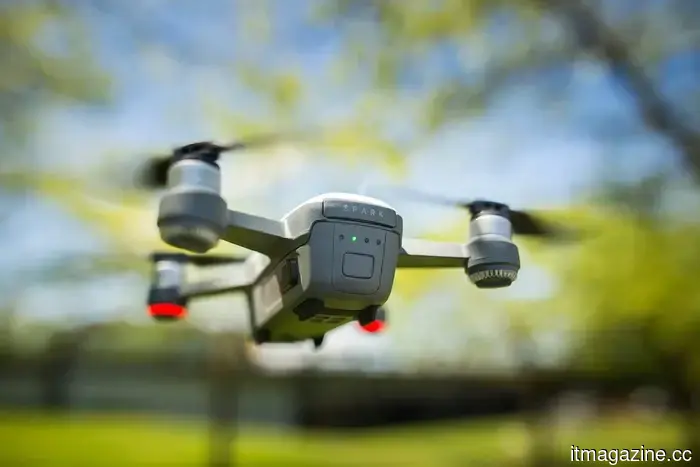
The FCC is looking to prohibit certain drones that it has previously authorized. This situation is becoming quite complicated.
The FCC is contemplating regulations that might stop the sale of certain DJI drones that were previously authorized in the US. Current owners would remain unaffected.