
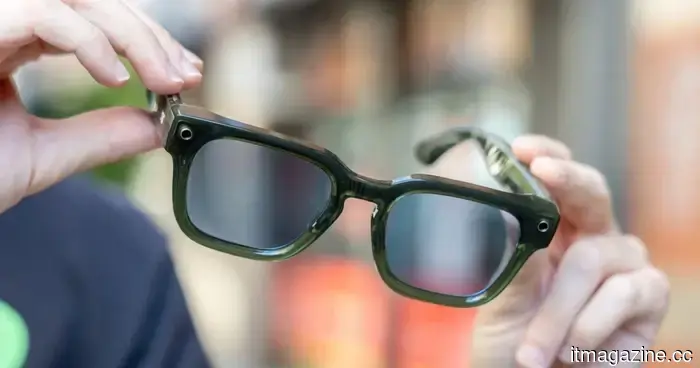
Caviar has bestowed a gold finish on Meta's smart glasses, but it seems they overlooked the aesthetic appeal.
Meta's Ray-Ban AI glasses have received a gold makeover costing $6,840, despite lacking public demand.
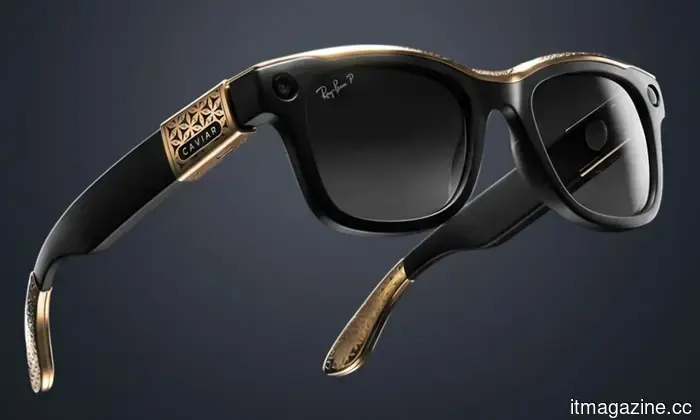
Luxury customization brand Caviar, known for transforming mainstream gadgets with gold, diamonds, and rare materials, has unveiled a premium version of the Ray-Ban Meta AI glasses. This edition, named the Odyssey, swaps the typical design for accents made of 24-karat gold and includes a luxurious alligator leather case, raising the price to $6,840.
The limited-edition smart glasses arrive at an intriguing time as AI glasses are slowly entering the mainstream market, with investments from companies like Meta, Google, and Apple toward wearable technology. However, Caviar isn't focusing on enhancing the underlying technology. Instead, it is banking on exclusivity to persuade affluent buyers to pay nearly ten times the cost of the standard model.
This approach has been successful for Caviar with iPhones and Samsung models, and now, smart glasses are the latest addition to its lineup.
Identical technology wrapped in opulence
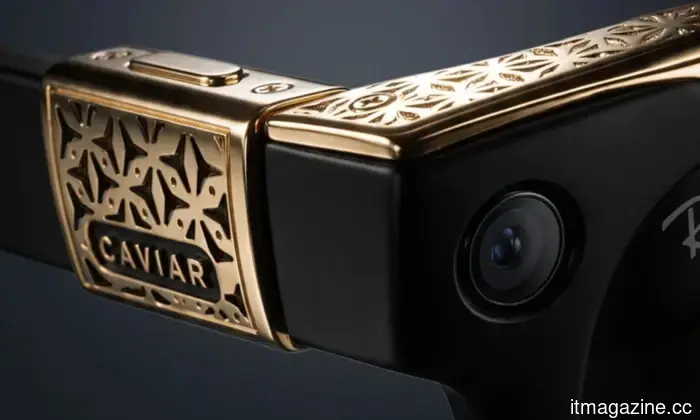
Beneath the lavish surface, the Odyssey maintains the original features of the Ray-Ban Meta AI glasses. Customers still receive the camera, microphones, speakers, and AI capabilities that come with the standard version, but all hardware is adorned in polished 24-karat gold, which includes decorative elements on the frame, temples, hinges, and the camera button. Additionally, the purchase includes a genuine alligator leather carrying case, emphasizing its premium status.
For those looking for a more affordable option, Caviar provides a silver model priced at $6,130. However, even this remains significantly pricier than Meta’s initial smart glasses, clearly indicating that buyers are mainly paying for luxurious materials and exclusivity rather than enhanced features.
Production will be highly limited, with Caviar producing only 24 units—a nod to the 24 books in Homer’s "Odyssey."
Luxury gadgets are carving out a unique niche
Caviar's latest offering reflects broader trends in the wearable market and luxury branding. As AI glasses become more familiar consumer items, brands that typically customized smartphones are beginning to view them as status symbols suitable for personalization.
Whether this strategy will prevail is uncertain. Unlike luxury mechanical watches or bespoke leather products, smart glasses quickly become outdated technologically. Investing thousands of dollars in devices that will eventually be succeeded by faster and more efficient models isn't seen as a wise investment, but rather as a statement piece.
Nevertheless, this is precisely the market segment Caviar aims to attract. The Odyssey is not meant for consumers focused on technical specifications or AI functionalities; it’s designed for collectors who want their devices to be both a functional tool and a conversation starter. Given Caviar's history with gold-plated smartphones, it's likely that there will be buyers eager to invest in such exclusivity.
Moinak Pal has been involved in the tech sector, covering both consumer-oriented technology and automotive technology for various platforms.
The Pixel 11 is on the horizon, but I find myself more excited about the potential enhancements it may bring.
August signifies an impending arrival for smartphone enthusiasts: the launch of new Pixels is fast approaching. Google will host its next Made by Google event on August 12, where we anticipate a notable lineup of smartphones. The Pixel 11, Pixel 11 Pro, Pixel 11 Pro XL, and Pixel 11 Pro Fold are all rumored to make their debut. Although it mirrors last year's four-model launch, the intrigue lies in the upgrades beneath the surface. With expected improvements in camera technology, new hardware, and innovative AI features from Google, there's much to discuss.
Additionally, the smartphones may not be all that Google has planned. Anticipated additional announcements could make this one of the largest hardware events of the year. If you're looking to watch, here are the details for the Made by Google event, including start times and what we expect to see from Google.
Reports suggest that kids' smartwatches, designed for parental safety, face security flaws that can render them stalking tools.
Millions of children's smartwatches might share a common vulnerability that makes them susceptible to hacking. Recent demonstrations by security researchers revealed that attackers could secretly observe the wearer of a GPS-enabled children’s smartwatch. They would be capable of taking photos, transmitting audio via the microphone, and tracking location covertly. These insights, reported by Wired, underscore a much broader issue that extends beyond just one device.
Apple has increased trade-in values for various devices, including iPhones, iPads, Macs, and even select Android phones.
With the iPhone 18 Pro lineup set to be announced in a few weeks, Apple has revised trade-in estimates for its devices, including iPhones, iPads, Macs, and Apple Watch models in the U.S. The company has also included a select range of Android phones for trade-ins, featuring models from Samsung, Google, and OnePlus, resulting in increased trade-in values across the board.




Other articles
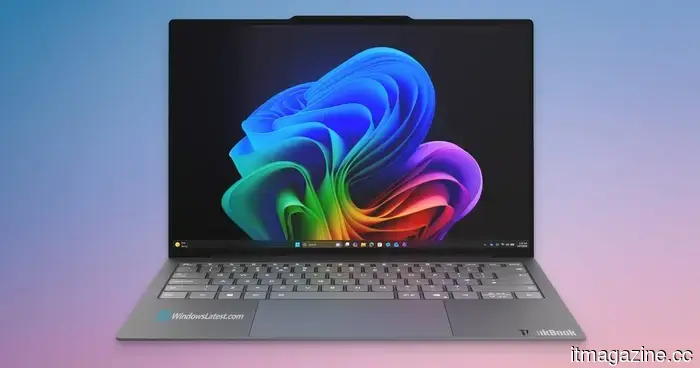 The latest leak reveals that Lenovo's upcoming ThinkBook appears to be incredibly slim.
Images that have surfaced suggest an extremely thin Lenovo ThinkBook named Aeroblade, indicating a new series focused on slim design that may compete with the thinnest laptops in the world.
The latest leak reveals that Lenovo's upcoming ThinkBook appears to be incredibly slim.
Images that have surfaced suggest an extremely thin Lenovo ThinkBook named Aeroblade, indicating a new series focused on slim design that may compete with the thinnest laptops in the world.
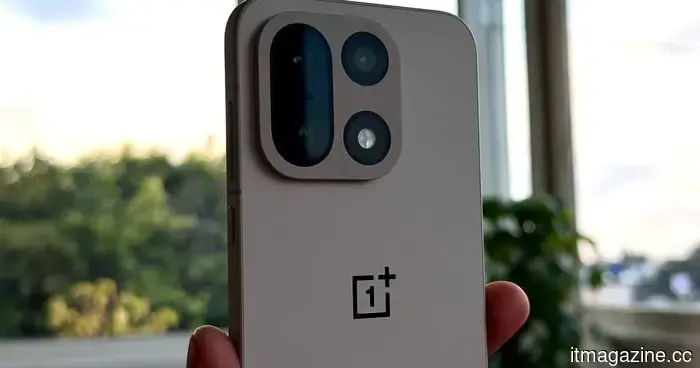 OnePlus has unveiled its initial ColorOS beta, marking the beginning of the shift from OxygenOS.
OnePlus has launched the inaugural closed ColorOS beta program for the OnePlus 15 and OnePlus 15R, marking the beginning of its transition away from OxygenOS.
OnePlus has unveiled its initial ColorOS beta, marking the beginning of the shift from OxygenOS.
OnePlus has launched the inaugural closed ColorOS beta program for the OnePlus 15 and OnePlus 15R, marking the beginning of its transition away from OxygenOS.
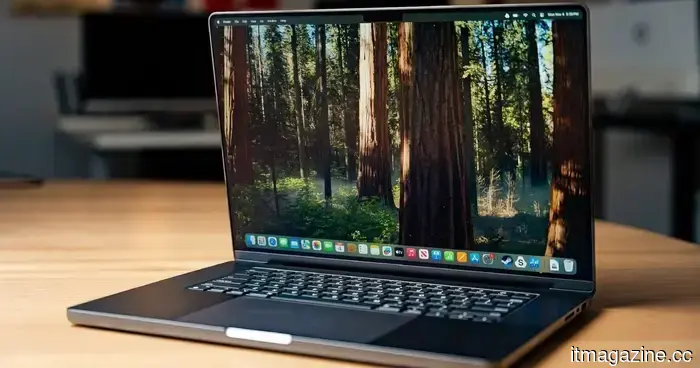 Apple has resolved three vulnerabilities in Mac Screen Sharing and is currently addressing another issue.
Apple has addressed another flaw in Mac Screen Sharing less than two weeks after resolving three distinct vulnerabilities in macOS 26.6, with the most recent problem impacting authentication.
Apple has resolved three vulnerabilities in Mac Screen Sharing and is currently addressing another issue.
Apple has addressed another flaw in Mac Screen Sharing less than two weeks after resolving three distinct vulnerabilities in macOS 26.6, with the most recent problem impacting authentication.
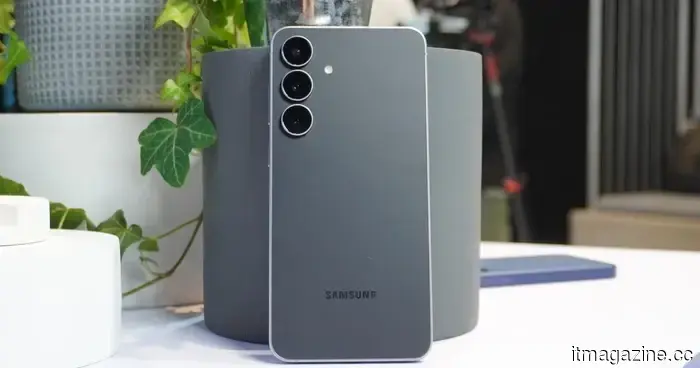 The Galaxy S26 FE has been leaked in all its color variations, and at least one of them stands out with some character.
New renders of the Galaxy S26 FE showcase Samsung's forthcoming Fan Edition device in all three anticipated color options, providing a clearer view of its camera redesign that is influenced by the S26.
The Galaxy S26 FE has been leaked in all its color variations, and at least one of them stands out with some character.
New renders of the Galaxy S26 FE showcase Samsung's forthcoming Fan Edition device in all three anticipated color options, providing a clearer view of its camera redesign that is influenced by the S26.
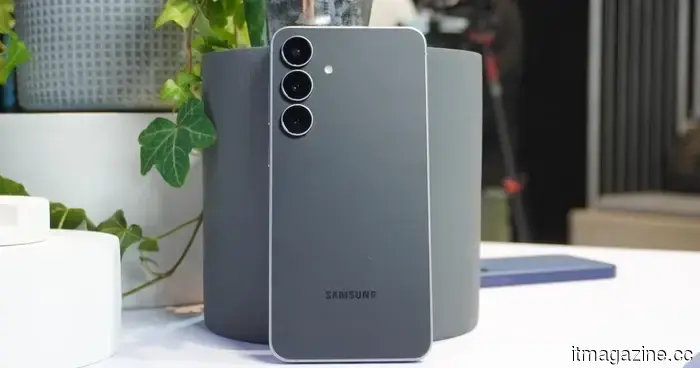 The Galaxy S26 FE has been revealed in all its color options, and at least one of them stands out with some character.
New renders of the Galaxy S26 FE showcase Samsung’s upcoming Fan Edition device in all three anticipated finishes, also providing a clearer view of its camera redesign inspired by the S26.
The Galaxy S26 FE has been revealed in all its color options, and at least one of them stands out with some character.
New renders of the Galaxy S26 FE showcase Samsung’s upcoming Fan Edition device in all three anticipated finishes, also providing a clearer view of its camera redesign inspired by the S26.
Caviar has bestowed a gold finish on Meta's smart glasses, but it seems they overlooked the aesthetic appeal.
The luxury brand Caviar has introduced a $6,840 edition of the Ray-Ban Meta AI glasses, featuring 24-karat gold details and an alligator leather case.