
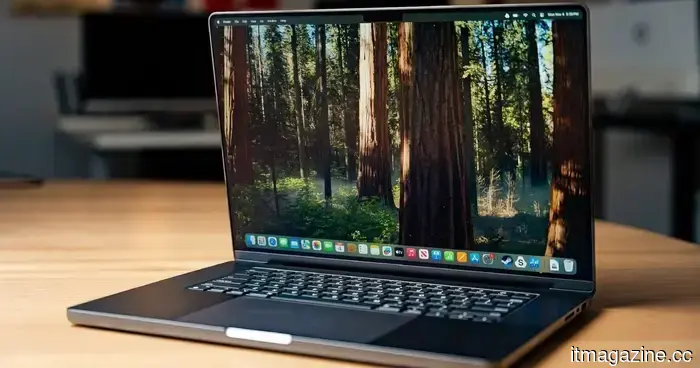
Apple has resolved three vulnerabilities in Mac Screen Sharing and is currently addressing another issue.
macOS 26.6.1 has been released approximately ten days after Apple issued three separate security updates for Screen Sharing in macOS 26.6.
This update is particularly noteworthy, as it comes shortly after Apple listed three different vulnerabilities affecting the Screen Sharing Server in the security notes for macOS 26.6, which was launched on July 27.
Now, Apple is addressing yet another Screen Sharing vulnerability less than two weeks later, with similar updates also being made available for macOS Sequoia and Sonoma.
**What was addressed in macOS 26.6**
In macOS 26.6, Apple’s security notes made reference to three unique vulnerabilities related to the Screen Sharing Server, each assigned its own CVE.
CVE-2026-43779 could allow an application to intercept network connections meant for another process. CVE-2026-43777 highlighted a risk of remote denial-of-service, and CVE-2026-43760 suggested that an application could access sensitive user information.
It's important to note that these represent three distinct vulnerabilities with varying implications, rather than multiple attempts to resolve a single issue.
**What makes the new flaw noteworthy**
The vulnerability addressed in macOS 26.6.1 is specifically linked to authentication. According to Macworld, an attacker on the same network could potentially authenticate to Screen Sharing without legitimate credentials.
This differentiates it from the three other flaws patched in macOS 26.6. Nonetheless, the presence of multiple unrelated Screen Sharing vulnerabilities fixed across successive macOS updates renders this follow-up patch more significant than standard maintenance.
**Which Macs should receive the update**
The fix is applicable beyond just macOS Tahoe. Apple also released updates for macOS Sequoia 15.7.9 and macOS Sonoma 14.8.9 regarding the same Screen Sharing authentication issue.
For those using Screen Sharing or keeping it enabled on a Mac that frequently connects to shared networks, it’s prudent to install this update without delay. The latest vulnerability involves authentication, and Apple is now rolling out fixes across three different macOS versions rather than confining the patch to Tahoe.
**Personal Reflection**
I'm finding myself engaging in conversation with my computer, which is both oddly convenient and somewhat embarrassing. I've become the person who inadvertently talks to his laptop. A decade ago, Google introduced voice typing with the Gboard app for Android, followed by a version for iPhones a year later. It never really caught my attention primarily due to its lack of accuracy. Although it promised a revolutionary way to interact with our devices, it wasn’t reliable enough to make me stop using the on-screen keyboard. Fast forward to 2026, and I’m dictating this entire article which was copy-pasted into WordPress.
**Cloudflare’s New Browser for AI Agents**
Cloudflare has entered the AI-browser market by launching Kitesurf, a cloud-hosted browser specifically designed for AI agents to browse the internet more effectively. Instead of creating another alternative to Chrome for human users, Cloudflare has focused on a browser that caters exclusively to autonomous AI systems that handle browsing tasks.
**Lenovo’s Upcoming ThinkBook Leak**
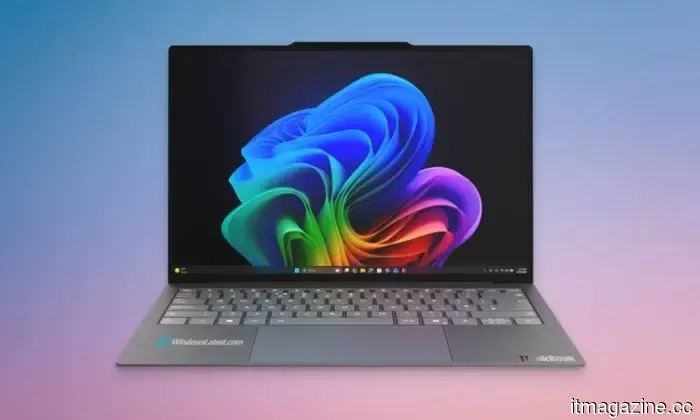
Introducing Aeroblade, the ThinkBook that could set new standards for laptop slimness. Lenovo appears to have a new focus on thin designs, as revealed by marketing images of a yet-to-be-announced laptop. Within these files, a name not previously seen, Aeroblade, was discovered. The device is clearly labeled as a ThinkBook, suggesting it might launch as the ThinkBook Aeroblade. For context, the ThinkBook series is aimed at small and medium-sized businesses seeking the ThinkPad design without the premium price tag associated with ThinkPads.





Other articles
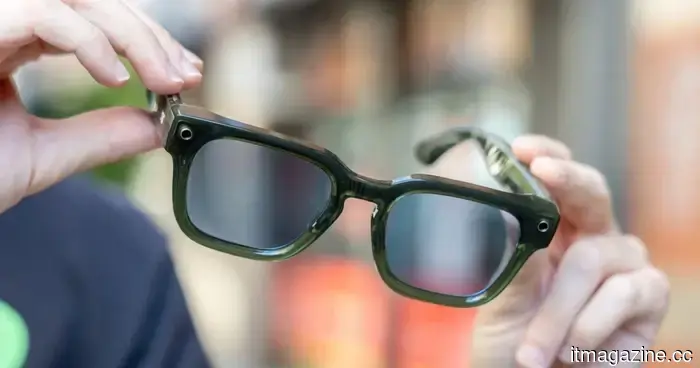 Caviar has bestowed a gold finish on Meta's smart glasses, but it seems they overlooked the aesthetic appeal.
The luxury brand Caviar has introduced a $6,840 edition of the Ray-Ban Meta AI glasses, featuring 24-karat gold details and an alligator leather case.
Caviar has bestowed a gold finish on Meta's smart glasses, but it seems they overlooked the aesthetic appeal.
The luxury brand Caviar has introduced a $6,840 edition of the Ray-Ban Meta AI glasses, featuring 24-karat gold details and an alligator leather case.
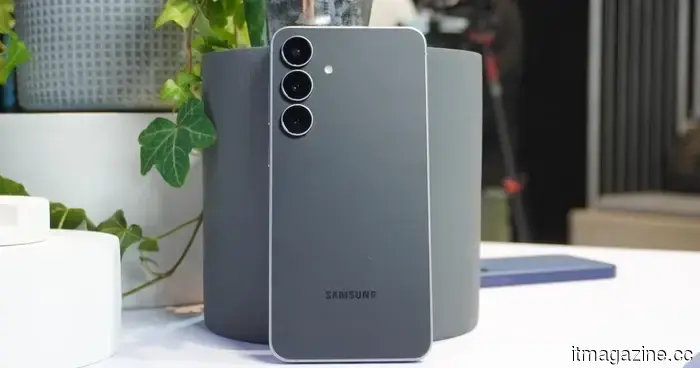 The Galaxy S26 FE has been revealed in all its color options, and at least one of them stands out with some character.
New renders of the Galaxy S26 FE showcase Samsung’s upcoming Fan Edition device in all three anticipated finishes, also providing a clearer view of its camera redesign inspired by the S26.
The Galaxy S26 FE has been revealed in all its color options, and at least one of them stands out with some character.
New renders of the Galaxy S26 FE showcase Samsung’s upcoming Fan Edition device in all three anticipated finishes, also providing a clearer view of its camera redesign inspired by the S26.
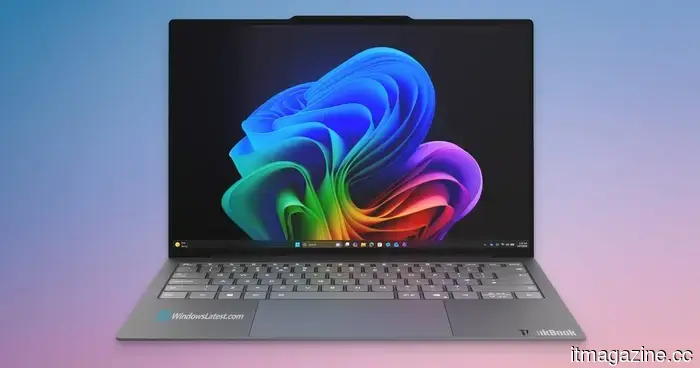 The latest leak reveals that Lenovo's upcoming ThinkBook appears to be incredibly slim.
Images that have surfaced suggest an extremely thin Lenovo ThinkBook named Aeroblade, indicating a new series focused on slim design that may compete with the thinnest laptops in the world.
The latest leak reveals that Lenovo's upcoming ThinkBook appears to be incredibly slim.
Images that have surfaced suggest an extremely thin Lenovo ThinkBook named Aeroblade, indicating a new series focused on slim design that may compete with the thinnest laptops in the world.
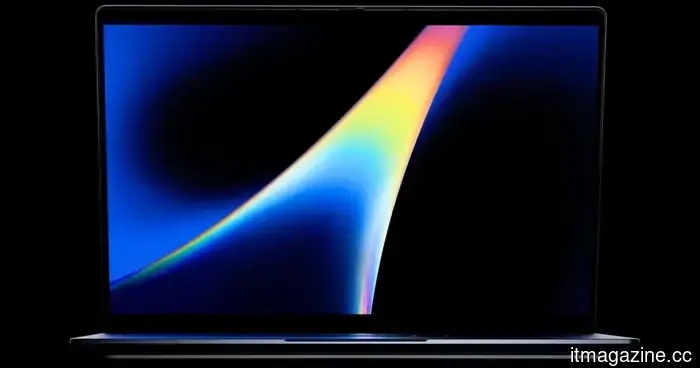 Dell's renowned XPS series could be making its way into Google's Googlebook ecosystem.
A benchmark leak indicates that Dell is developing its first Googlebook under the XPS brand, featuring a Snapdragon X Elite processor and a 13.4-inch OLED screen.
Dell's renowned XPS series could be making its way into Google's Googlebook ecosystem.
A benchmark leak indicates that Dell is developing its first Googlebook under the XPS brand, featuring a Snapdragon X Elite processor and a 13.4-inch OLED screen.
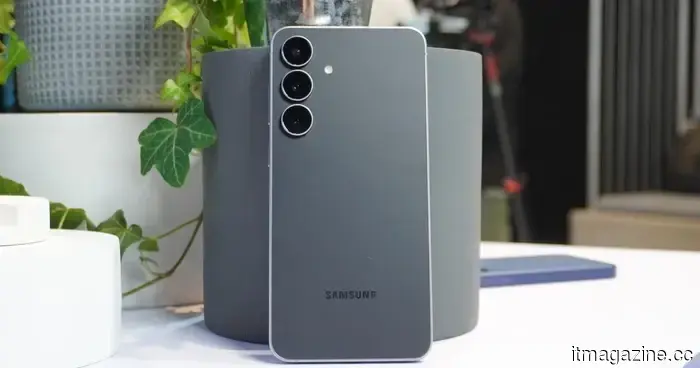 The Galaxy S26 FE has been leaked in all its color variations, and at least one of them stands out with some character.
New renders of the Galaxy S26 FE showcase Samsung's forthcoming Fan Edition device in all three anticipated color options, providing a clearer view of its camera redesign that is influenced by the S26.
The Galaxy S26 FE has been leaked in all its color variations, and at least one of them stands out with some character.
New renders of the Galaxy S26 FE showcase Samsung's forthcoming Fan Edition device in all three anticipated color options, providing a clearer view of its camera redesign that is influenced by the S26.
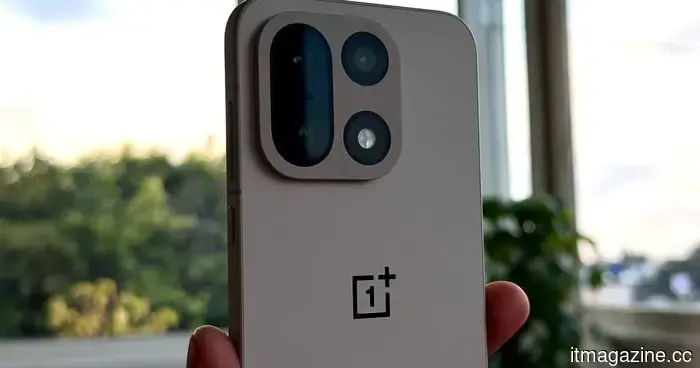 OnePlus has unveiled its initial ColorOS beta, marking the beginning of the shift from OxygenOS.
OnePlus has launched the inaugural closed ColorOS beta program for the OnePlus 15 and OnePlus 15R, marking the beginning of its transition away from OxygenOS.
OnePlus has unveiled its initial ColorOS beta, marking the beginning of the shift from OxygenOS.
OnePlus has launched the inaugural closed ColorOS beta program for the OnePlus 15 and OnePlus 15R, marking the beginning of its transition away from OxygenOS.
Apple has resolved three vulnerabilities in Mac Screen Sharing and is currently addressing another issue.
Apple has addressed another flaw in Mac Screen Sharing less than two weeks after resolving three distinct vulnerabilities in macOS 26.6, with the most recent problem impacting authentication.