
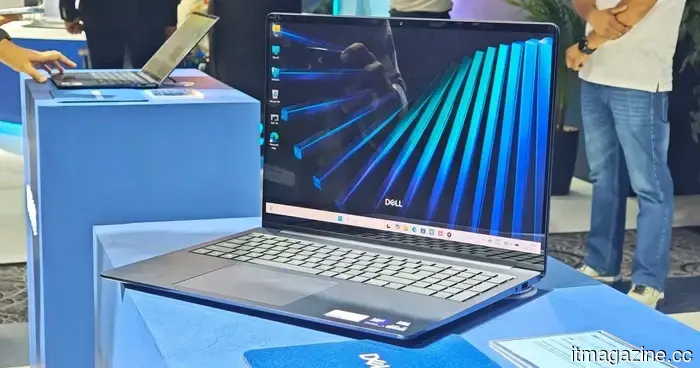
I tested Dell's latest slim laptops, and the new 14S is positioned nicely below the XPS pricing.
Dell’s new XPS 13 has rekindled my optimism for budget-friendly Windows laptops with its starting price of $699. Its sleek aluminum design and sharp touchscreen make it an enticing rival to the MacBook Neo. However, Dell unveiled even more options at the same event.
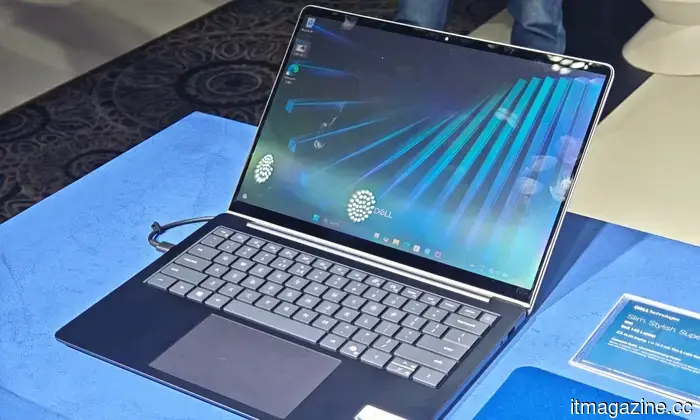
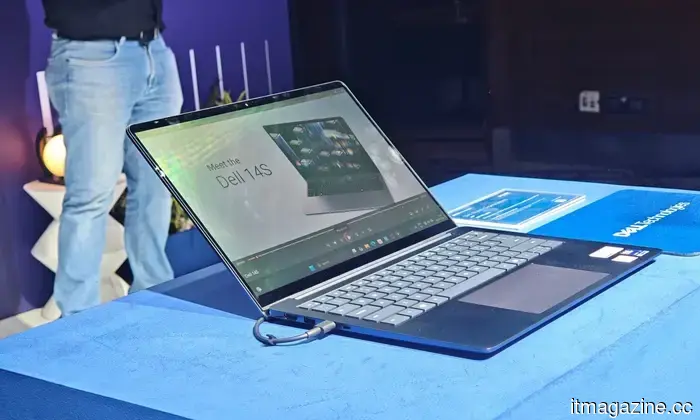
I also explored the Dell 14S and Dell 16S, two laptops aimed at customers who appreciate the XPS 13’s refined and slim design but require enhanced performance, a bigger battery, or a larger display. These models fill a unique spot in Dell's product lineup, priced just a few hundred dollars above the XPS 13 in the US, positioning them between the budget-friendly XPS 13 and the significantly more premium XPS 14.
Now that I’ve tested both, I know which one I would choose.
Vikhyaat Vivek / Digital Trends
Two premium designs with distinct focuses
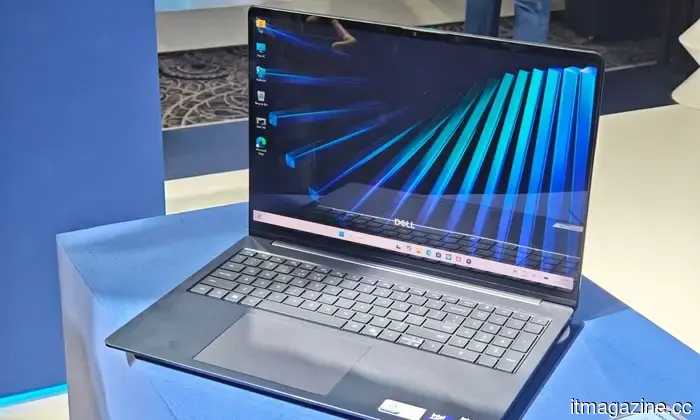
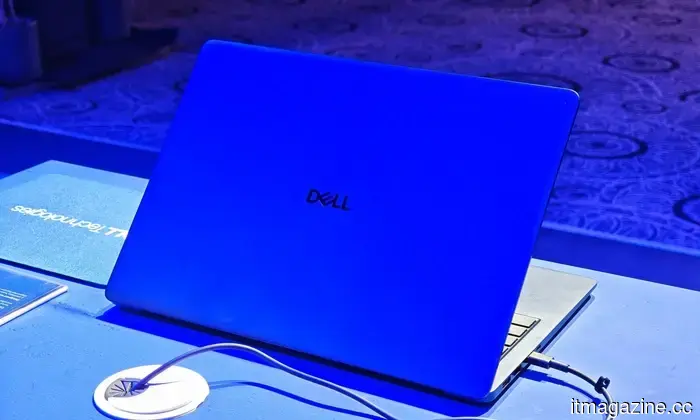
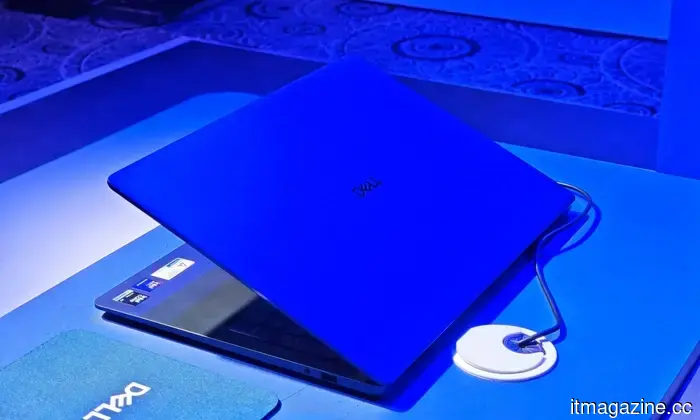
The Dell 14S and 16S both feature a simple aluminum design that lends them a more upscale feel than their pricing might imply. During my hands-on session, both devices felt sturdy, showcasing clean finishes and sufficient rigidity. With a thickness of 15.4mm, they are remarkably slim for laptops equipped with 70Wh batteries and more powerful processor options. The main distinction between them lies in their weight, with the Dell 14S starting at around 1.49kg depending on the display, while the 16S begins at 1.79kg and increases further with touchscreen features.
Vikhyaat Vivek / Digital Trends
While the Dell 16S remains relatively slim, its larger dimensions make it more fitting for someone who spends a lot of time at a desk. Its 16-inch display, full-size keyboard, and numeric keypad offer ample space for spreadsheets, creative applications, and extensive multitasking. In contrast, the 14S strikes a better equilibrium for my preferences. It is significantly easier to transport, yet its larger build provides more room on the keyboard deck compared to the compact XPS 13. The keys offered improved feedback during my brief typing experience, and the layout felt less constricted.
Both laptops also come equipped with a practical assortment of ports, including two Thunderbolt 4 connections, two USB-A ports, HDMI 2.1, and a headphone jack. This represents a significant upgrade over the XPS 13’s limited two-port setup and reduces the necessity of keeping a dongle handy.
Vikhyaat Vivek / Digital Trends
The OLED displays enhance the experience
The demo units I interacted with appeared to feature touch-enabled OLED screens, with the 16S showcasing its premium 2.8K panel. Both displays looked sharp, bright, and responsive even under the venue's harsh lighting. Touch input was accurate, and the high refresh rate facilitated smooth scrolling and navigation. Dell provides displays with a refresh rate of up to 120Hz on both models, though the specific experience may vary based on the configuration.
Vikhyaat Vivek / Digital Trends
The anti-glare finish was another appreciated feature. Event lighting can quickly highlight reflective laptop screens, but these panels remained relatively easy to view despite overhead glare. The 14S can be configured with various options, including FHD+ touch or non-touch displays and a choice of 2560 x 1600 resolutions, in addition to its FHD+ OLED panels. The 16S offers similar LCD options before upgrading to its 2880 x 1800 touch OLED.
Vikhyaat Vivek / Digital Trends
These configurations also clarify the positioning of the laptops within Dell's offerings. The XPS 13 features an impressive LCD screen for its price. The 14S and 16S enhance the offering with OLED technology, additional screen real estate, and a wider range of configurations without reaching the higher starting price of the XPS 14.
There should be ample performance capacity
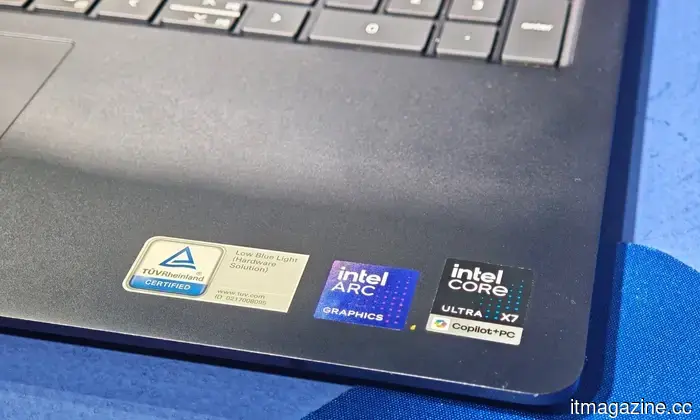
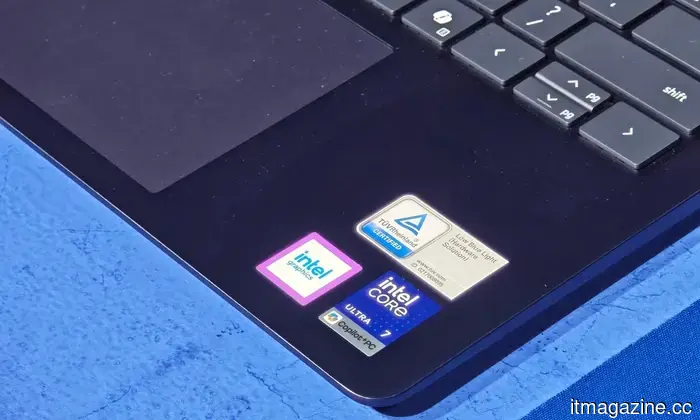
The Dell 14S model I encountered was equipped with an Intel Core Ultra 7 355, whereas the 16S featured the Core Ultra X7 358H along with Intel Arc B390 graphics. The X7 configuration is particularly advantageous for users needing superior integrated graphics for creative tasks, casual gaming, and GPU-intensive workloads. My recent experience reviewing the XPS 14 gives me confidence in this generation of Intel hardware, though these laptops will require thorough testing before I can evaluate their sustained performance.
Vikhyaat Vivek / Digital Trends
Dell offers a diverse range of processors, from the six-core Core Ultra 5 322 to the 16-core Core Ultra 9 386H. Memory options range from 16GB to 32GB of LPDDR5X, with storage capacities spanning from 512GB to 2TB. The 70Wh battery is another advantage compared to the 52Wh unit of the XPS 13. This additional capacity should help balance the faster processors and larger displays, but again,
Other articles
 EY developed an 'AI router' to prevent its artificial intelligence expenses from escalating.
EY has created an "AI router" that directs tasks to more affordable models to manage token expenses, following a survey that reveals 82% of companies are concerned about AI costs.
EY developed an 'AI router' to prevent its artificial intelligence expenses from escalating.
EY has created an "AI router" that directs tasks to more affordable models to manage token expenses, following a survey that reveals 82% of companies are concerned about AI costs.
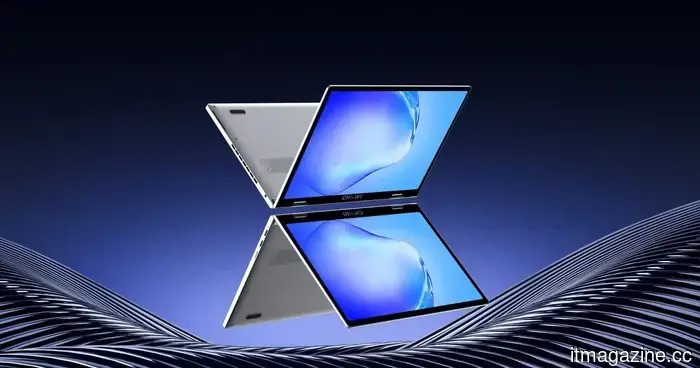 The Minibook X demonstrates that compact laptops can be both affordable and still filled with joy.
Chuwi has introduced the MiniBook X, a 10.51-inch Windows laptop featuring 16GB of RAM, interchangeable storage, and a 360-degree hinge.
The Minibook X demonstrates that compact laptops can be both affordable and still filled with joy.
Chuwi has introduced the MiniBook X, a 10.51-inch Windows laptop featuring 16GB of RAM, interchangeable storage, and a 360-degree hinge.
 ByteDance leads China's AI earnings with $4 billion, integrating Lark into Doubao.
ByteDance currently generates approximately $4 billion annually from AI, the highest figure disclosed by any Chinese company, and is integrating its Lark app into Doubao along with its cloud division.
ByteDance leads China's AI earnings with $4 billion, integrating Lark into Doubao.
ByteDance currently generates approximately $4 billion annually from AI, the highest figure disclosed by any Chinese company, and is integrating its Lark app into Doubao along with its cloud division.
 Europe has launched a bidding process for seven AI "gigafactories" in a €30 billion effort to catch up.
The EU has launched a €30 billion initiative to establish up to seven AI gigafactories in order to compete with the US and China, although only about €1 billion is currently allocated, and the chips are still manufactured in the US.
Europe has launched a bidding process for seven AI "gigafactories" in a €30 billion effort to catch up.
The EU has launched a €30 billion initiative to establish up to seven AI gigafactories in order to compete with the US and China, although only about €1 billion is currently allocated, and the chips are still manufactured in the US.
 Europe initiates bidding for seven AI 'gigafactories' in a €30 billion effort to keep pace.
The EU has launched a €30bn initiative for as many as seven AI gigafactories to compete with the US and China, although only about €1bn is currently allocated, and the chips are still predominantly American.
Europe initiates bidding for seven AI 'gigafactories' in a €30 billion effort to keep pace.
The EU has launched a €30bn initiative for as many as seven AI gigafactories to compete with the US and China, although only about €1bn is currently allocated, and the chips are still predominantly American.
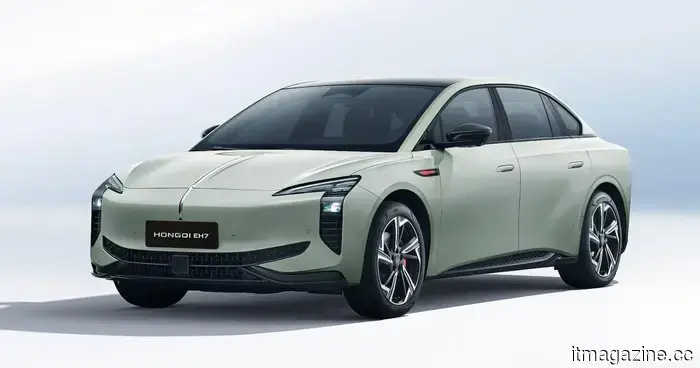 Hongqi claims that its latest EV technology can fully charge a battery in only eight minutes, surpassing BYD.
FAW's Hongqi brand asserts that its battery can be charged from 10% to 90% in less than 8 minutes, entering an intensifying competition in the Chinese EV charging market against BYD, CATL, and Geely.
Hongqi claims that its latest EV technology can fully charge a battery in only eight minutes, surpassing BYD.
FAW's Hongqi brand asserts that its battery can be charged from 10% to 90% in less than 8 minutes, entering an intensifying competition in the Chinese EV charging market against BYD, CATL, and Geely.
I tested Dell's latest slim laptops, and the new 14S is positioned nicely below the XPS pricing.
Dell's latest 14S and 16S models feature sleek aluminum designs, sizable batteries, OLED display options, and quicker Intel processors, all priced lower than the premium XPS 14.