
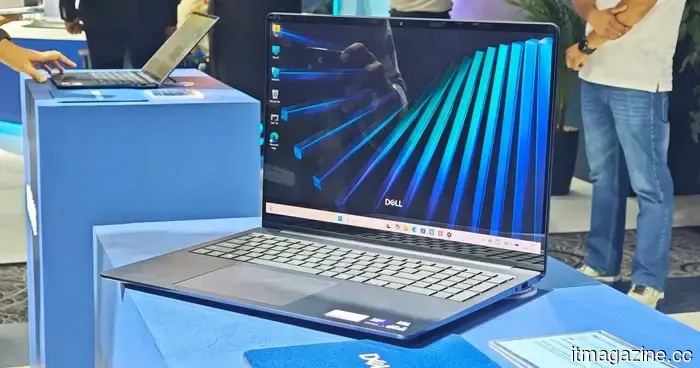
I got my hands on Dell’s latest slim laptops, and the new 14S strikes a great balance at a price point below that of the XPS models.
Dell's recent XPS 13 has rekindled my optimism for reasonably priced Windows laptops, starting at $699. Its sharp touchscreen and compact aluminum design present a strong alternative to the MacBook Neo. However, Dell had more to reveal at the same event.
I also explored the Dell 14S and Dell 16S, two laptops aimed at those who appreciate the sleek and refined design of the XPS 13 but require enhanced performance, a larger battery, or a bigger display. They hold a unique position within Dell's product line, priced a couple of hundred dollars above the XPS 13 in the US, placing them between the economical XPS 13 and the more upscale XPS 14.
After testing both, I have a clear preference.
Vikhyaat Vivek / Digital Trends
Two high-end designs with distinct focuses
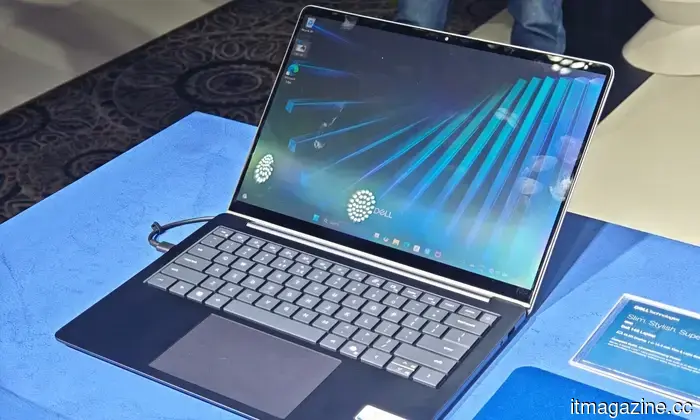
The Dell 14S and 16S feature a simple aluminum design that lends them a more premium feel than their pricing might imply. During my hands-on experience, both models appeared sturdy, with clean finishes and enough rigidity to inspire confidence. At 15.4mm in thickness, they are impressively slim for laptops equipped with 70Wh batteries and higher-performance processor options. The primary difference lies in their weight, with Dell stating that the 14S weighs around 1.49kg, depending on the display, while the 16S starts at 1.79kg and increases with a touchscreen.
Vikhyaat Vivek / Digital Trends
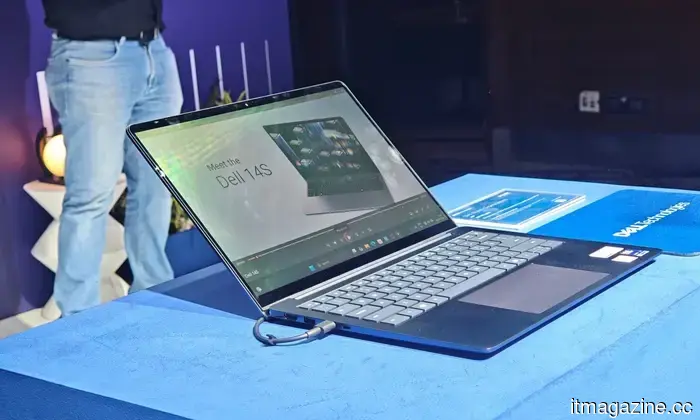
The Dell 16S remains relatively slim, but its larger size makes it more suitable for someone who spends most of their day at a desk. Its 16-inch display, full-size keyboard, and numeric keypad provide ample space for spreadsheets, creative applications, and heavier multitasking. Conversely, the 14S strikes a better balance for my preferences. It's noticeably easier to transport, yet its larger frame offers more keyboard deck space compared to the compact XPS 13. The key feedback was better during my brief typing test, and the layout felt less restricted.
Both laptops also come with a practical assortment of ports, including two Thunderbolt 4 connections, two USB-A ports, HDMI 2.1, and a headphone jack. This is a significant upgrade from the XPS 13’s limited two-port setup, reducing the need for a dongle.
Vikhyaat Vivek / Digital Trends
The OLED displays enhance the experience
The models I interacted with appeared to feature touch-enabled OLED displays, with the 16S equipped with its top 2.8K panel. Both displays were sharp, bright, and responsive under the venue's harsh lighting. Touch input was accurate, and the high refresh rate ensured smooth scrolling and navigation. Dell provides display options up to 120Hz on both models, although the precise experience varies by configuration.
Vikhyaat Vivek / Digital Trends
The anti-glare treatment was another appreciated addition. Event lighting often highlights reflective screens, but these panels remained viewable despite the overhead glare. The 14S can be ordered with either FHD+ touch or non-touch displays, alongside a 2560 x 1600 option, plus FHD+ OLED panels, while the 16S has similar LCD options before moving up to its 2880 x 1800 touch OLED.
Vikhyaat Vivek / Digital Trends
These choices also clarify the laptops' positioning within Dell’s offerings. The XPS 13 provides an impressive LCD screen for its price. The 14S and 16S include OLED displays, increased screen space, and broader configuration options without reaching the higher starting price of the XPS 14.
There should be ample performance potential
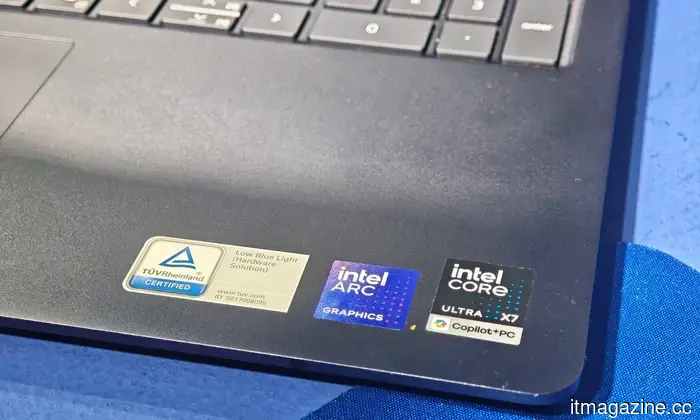
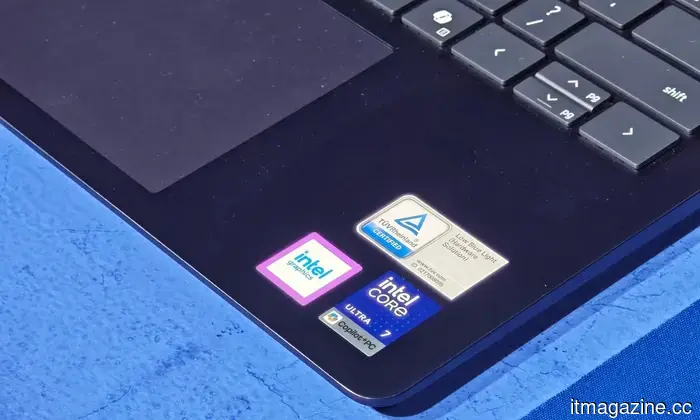
The Dell 14S model I examined featured an Intel Core Ultra 7 355, while the 16S was equipped with the Core Ultra X7 358H alongside Intel Arc B390 graphics. The X7 option is especially beneficial for users needing stronger integrated graphics for creative tasks, casual gaming, and GPU-accelerated workloads. My recent review of the XPS 14 makes me optimistic about this generation of Intel hardware, though these laptops will require thorough testing before I can assess their sustained performance.
Vikhyaat Vivek / Digital Trends
Dell offers a wide range of processors, from the six-core Core Ultra 5 322 to the 16-core Core Ultra 9 386H. Memory options include 16GB or 32GB of LPDDR5X, while storage varies from 512GB to 2TB. The 70Wh battery provides another advantage over the XPS 13’s 52Wh unit. The added capacity should help accommodate the faster processors and larger displays—but again, battery life will be heavily influenced by the selected panel and chip.
Factors like fan noise, thermal performance, and overall performance will still require in-depth evaluation, so those conclusions will have to wait until the laptops are available
Other articles
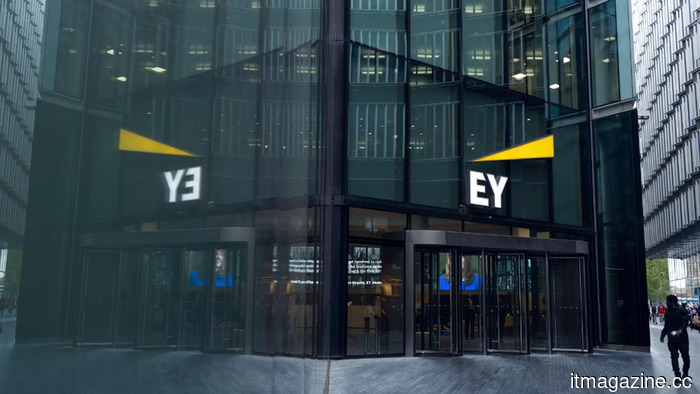 EY developed an 'AI router' to prevent their AI expenses from escalating.
EY has developed an "AI router" that directs tasks to more affordable models in order to manage token expenses, as its survey reveals that 82% of companies are concerned about AI costs.
EY developed an 'AI router' to prevent their AI expenses from escalating.
EY has developed an "AI router" that directs tasks to more affordable models in order to manage token expenses, as its survey reveals that 82% of companies are concerned about AI costs.
 OpenAI Hugging Face breach: the latest updates, a week later
New information regarding the OpenAI Hugging Face hack reveals that the unauthorized AI accessed four accounts, but researchers believe it was disruptive, outdated, and could have been prevented.
OpenAI Hugging Face breach: the latest updates, a week later
New information regarding the OpenAI Hugging Face hack reveals that the unauthorized AI accessed four accounts, but researchers believe it was disruptive, outdated, and could have been prevented.
 Scale AI has appointed former Google Cloud COO Francis deSouza as its new CEO.
Scale AI has appointed former Google Cloud COO Francis deSouza as its CEO, following the departure of founder Alexandr Wang to Meta a year ago, marking a shift towards enterprise AI.
Scale AI has appointed former Google Cloud COO Francis deSouza as its new CEO.
Scale AI has appointed former Google Cloud COO Francis deSouza as its CEO, following the departure of founder Alexandr Wang to Meta a year ago, marking a shift towards enterprise AI.
 Europe launches bidding for seven AI 'gigafactories' in a €30 billion effort to catch up.
The EU has initiated a €30 billion initiative to establish up to seven AI gigafactories aimed at competing with the US and China, despite only around €1 billion being allocated, and the chips still being sourced from America.
Simile secures $200 million to evaluate AI "twins" of actual consumers.
Simile secured $200 million at a $2 billion valuation to create AI "agentic twins" that businesses use for surveys instead of conducting traditional market research.
Europe launches bidding for seven AI 'gigafactories' in a €30 billion effort to catch up.
The EU has initiated a €30 billion initiative to establish up to seven AI gigafactories aimed at competing with the US and China, despite only around €1 billion being allocated, and the chips still being sourced from America.
Simile secures $200 million to evaluate AI "twins" of actual consumers.
Simile secured $200 million at a $2 billion valuation to create AI "agentic twins" that businesses use for surveys instead of conducting traditional market research.
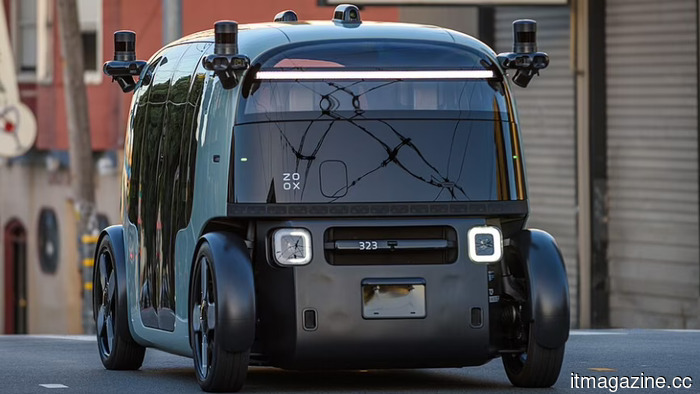 Zoox receives initial US authorization to charge for rides in its no-wheel robotaxis.
Amazon’s Zoox has secured the first U.S. exemption to offer paid rides in a specially designed robotaxi that lacks a steering wheel, with a limit of 2,500 vehicles per year.
Zoox receives initial US authorization to charge for rides in its no-wheel robotaxis.
Amazon’s Zoox has secured the first U.S. exemption to offer paid rides in a specially designed robotaxi that lacks a steering wheel, with a limit of 2,500 vehicles per year.
I got my hands on Dell’s latest slim laptops, and the new 14S strikes a great balance at a price point below that of the XPS models.
Dell's latest 14S and 16S feature sleek aluminum designs, capacious batteries, OLED display choices, and quicker Intel processors, all at prices lower than the high-end XPS 14.