

Did you take it easy all summer? Here are three fitness trackers that can help keep you accountable as you return to school.
Summer break unfolded as it typically does. Your sleep routine shifted, workouts became less frequent than anticipated, and by August, you were starting to feel the effects. You have a strategy in place to regain your momentum once the school year begins and your days become more structured, but you are aware of how these things usually pan out. The first two weeks go well, and then the routine gradually fades away.
A fitness tracker alone won't motivate you off the couch. However, it will display a daily number that indicates whether you've met your goals or not. That little bit of visibility can often make the difference between having the intention to exercise and actually following through. The back-to-school season is an ideal time to invest in one since you’re already resetting multiple aspects of your routine, increasing the likelihood that the habit will stay. To improve your chances of success, here are three fitness trackers that can help you maintain accountability and achieve your goals.
**Xiaomi Smart Band 10: Data only, no strings attached**
Xiaomi
**Pros**
- Most affordable option with no ongoing fees
- 21-day battery life
- Tracks steps, sleep, heart rate, blood oxygen, and stress
- Covers 150+ sports modes
- Wide device compatibility
**Cons**
- No coaching or analysis provided
- Companion app is clunky
- GPS functionality relies on your phone
- No blood pressure, ECG, or Afib detection
The Xiaomi Smart Band 10 offers straightforward data with no extras. There’s no coaching, interpretation, or hidden upsells. It tracks essential metrics such as steps, sleep, heart rate, blood oxygen, and stress levels, presenting them clearly.
Your one-time payment of around $47 covers everything with no further fees. This is particularly beneficial if you’re solely interested in accountability without a complex interface full of unnecessary insights.
With a 21-day battery life, it seamlessly integrates into your routine, and the 1.72-inch AMOLED display is suitable for quick checks during runs. The band offers more than 150 sports modes and is resistant to water, rated 5ATM. It also works with Android 8+ and iOS 12+ devices, accommodating even older phones.
However, the companion app is a downside, lacking the polish of competitors like Google or WHOOP, and GPS functions rely on your phone rather than being built into the band. If you're weighing your options against a more expensive tracker, remember that the extra cost typically translates to additional insights and data points to help you analyze your performance and train smarter. Opt for this if basic tracking is all you need.
**Google Fitbit Air: Comprehensive tracking, optional coaching**
Google
**Pros**
- Core tracking available without a subscription
- Auto-detection of basic workouts
- Fast charging provides a full day of battery in five minutes
- Comes with a free 3-month trial of Health Coach
**Cons**
- Battery life lasts up to 7 days
- AI coaching requires a $9.99/month subscription
- No screen; all data is accessed through the app
- No ECG or blood pressure tracking
The Fitbit Air offers more extensive data tracking compared to the Xiaomi Smart Band 10. In addition to steps, sleep, heart rate, SpO2, and stress levels, it measures heart rate variability, checks for Afib, and automatically identifies various workouts such as walking, running, swimming, and cycling, with options for manual logging. All this is included in the base experience without needing a subscription.
What distinguishes it is the Google Health Coach feature, powered by AI, which transforms the data into actionable insights, adapting recommendations based on your training and recovery. It’s optionally available, so you won’t be pressured to use it. Priced at $99.99, this combination is appealing if you seek more than just raw data. Additionally, every purchase comes with a three-month trial of Google Health Premium, allowing you to test the coaching before committing to the monthly fee.
The tracker itself is a small pebble that clips onto interchangeable bands, making it easy to forget that you’re wearing it. However, the 7-day battery life is a limitation, although the fast charging feature can provide a full day’s charge in just five minutes.
The Fitbit Air works with Android 11+ and iOS 16.4+, ensuring compatibility with most phones, and you can switch phones without issues. Consider this option if you want additional data points compared to the Xiaomi, along with the choice of paying for AI-assisted insights.
**WHOOP 5.0: Insights are mandatory**
WHOOP
**Pros**
- Automatically detects over 50 activity types
- Daily Recovery score offers specific guidance
- Battery life lasts over 14 days
**Cons**
- No free tier; hardware requires an active membership
- Everything requires app access
WHOOP does not provide a version that simply supplies raw


Other articles
 The most popular indie game on Steam recently experienced a malware scare.
A harmful Meccha Chameleon Steam Workshop map was discovered trying to install malware on players' computers. Here’s what transpired, the significance of the issue, and tips on how to remain safe.
The most popular indie game on Steam recently experienced a malware scare.
A harmful Meccha Chameleon Steam Workshop map was discovered trying to install malware on players' computers. Here’s what transpired, the significance of the issue, and tips on how to remain safe.
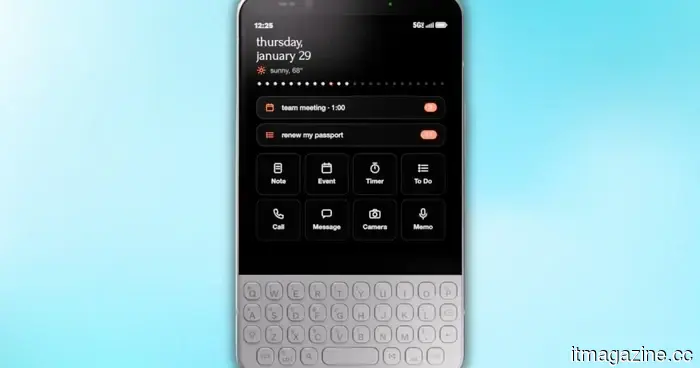 The Minimal Phone 2 appears significantly improved compared to the original, and I truly appreciate that.
A metal structure substituting plastic, an upgraded keyboard, sleeker lines, and a design that draws inspiration from the iPhone 5s and BlackBerry in a way that truly aligns with the concept of a digital detox device.
The Minimal Phone 2 appears significantly improved compared to the original, and I truly appreciate that.
A metal structure substituting plastic, an upgraded keyboard, sleeker lines, and a design that draws inspiration from the iPhone 5s and BlackBerry in a way that truly aligns with the concept of a digital detox device.
 The most popular indie game on Steam recently experienced a malware scare.
A harmful Meccha Chameleon Steam Workshop map was discovered trying to download malware onto players' computers. Here's the situation, its significance, and tips for staying safe.
The most popular indie game on Steam recently experienced a malware scare.
A harmful Meccha Chameleon Steam Workshop map was discovered trying to download malware onto players' computers. Here's the situation, its significance, and tips for staying safe.
 The most popular indie game on Steam recently experienced a malware scare.
A harmful Meccha Chameleon Steam Workshop map was discovered trying to install malware on players' computers. Here's the story, its significance, and tips for staying protected.
The most popular indie game on Steam recently experienced a malware scare.
A harmful Meccha Chameleon Steam Workshop map was discovered trying to install malware on players' computers. Here's the story, its significance, and tips for staying protected.
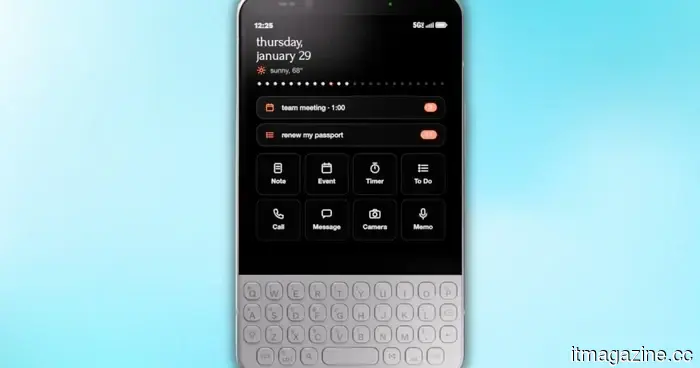 The Minimal Phone 2 appears significantly improved compared to the original, and I'm truly excited about it.
A metal structure taking the place of plastic, an improved keyboard, neater dimensions, and a design that draws inspiration from the iPhone 5s and BlackBerry in ways that are truly fitting for a digital detox gadget.
The Minimal Phone 2 appears significantly improved compared to the original, and I'm truly excited about it.
A metal structure taking the place of plastic, an improved keyboard, neater dimensions, and a design that draws inspiration from the iPhone 5s and BlackBerry in ways that are truly fitting for a digital detox gadget.
 Did you take it easy all summer? Here are 3 fitness trackers that can keep you accountable as you return to school.
Did summer vacation affect your fitness goals? These three fitness trackers utilize unique methods to help you stay accountable this semester.
Did you take it easy all summer? Here are 3 fitness trackers that can keep you accountable as you return to school.
Did summer vacation affect your fitness goals? These three fitness trackers utilize unique methods to help you stay accountable this semester.
Did you take it easy all summer? Here are three fitness trackers that can help keep you accountable as you return to school.
Did summer break impact your fitness goals? These three fitness trackers utilize distinct methods to help you stay accountable this semester.