
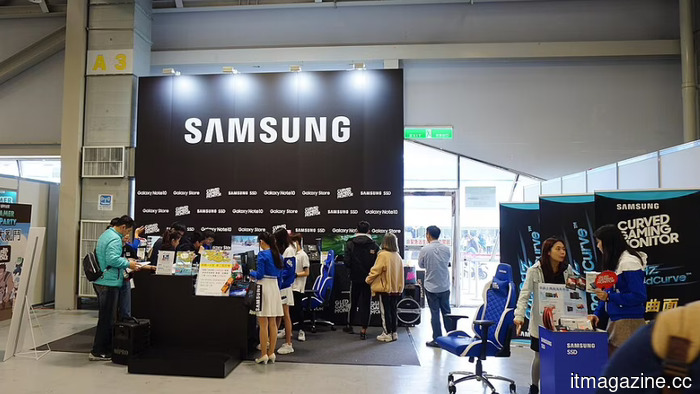
Samsung and Broadcom have entered into a $200 billion agreement covering memory, foundry, and packaging technologies.
Samsung and Broadcom have entered into a memorandum of understanding valued at over $200 billion, focusing on memory chips, foundry manufacturing, and advanced packaging for AI semiconductors. This agreement, revealed during an AI summit in San Francisco on Friday, will last for five years until 2030 and encompasses key aspects of the AI chip supply chain. As one of the largest semiconductor partnerships announced, it serves as an expression of intent rather than a legally binding contract.
In terms of memory, Samsung is set to provide Broadcom with next-gen high-bandwidth memory, including HBM4 and HBM4E chips, to be used in Broadcom's AI accelerators. For foundry services, Samsung will produce Broadcom products utilizing process technologies of two nanometers and smaller at its facility in Pyeongtaek, South Korea. This collaboration will also involve advanced packaging techniques that enhance the integration of memory and logic, a critical method for boosting the performance of AI chips.
Broadcom designs custom AI chips for major tech companies like Google and Meta, which seek tailored silicon to meet their specific tasks instead of purchasing standardized GPUs from Nvidia. Earlier this year in April, Broadcom extended its partnership with Meta for AI chips until 2029, and CEO Hock Tan recently indicated that the surge in AI revenue has made organic growth more appealing than pursuing acquisitions. By branching out its manufacturing to Samsung, Broadcom enhances its supply chain resilience, reducing dependency on TSMC, which commands over 90% of cutting-edge chip production.
For Samsung, this partnership helps address the ongoing credibility issues in its foundry business, where its market share has dipped to around seven percent amidst TSMC's dominance. Although it has faced challenges with yields on its two-nanometer process, a $200 billion commitment from a major chip designer like Broadcom could positively influence investor perceptions about Samsung's competitiveness in advanced technology. Samsung recorded a historic quarterly operating profit of 89 trillion won in Q2, largely driven by demand for AI memory.
The signing of this agreement was part of a larger initiative that totaled approximately $950 billion in semiconductor deals between South Korean and American companies, announced during the AI summit led by South Korean President Lee Jae Myung. Additionally, SK Hynix entered into memory partnerships worth $750 billion with Nvidia and other firms, while Anthropic established supply agreements with both Samsung and SK Hynix. This summit followed Seoul's announcement in June of an $880 billion domestic investment plan that pledged Samsung and SK Hynix to construct four new chip fabrication facilities in the southwestern region of the country.
Other articles
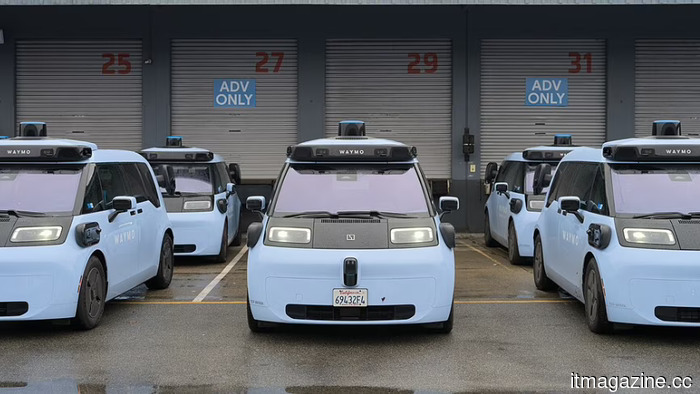 Waymo will conclude its exclusivity agreement with Uber in Austin and Atlanta, and will introduce its own app in January 2028.
Waymo plans to introduce its own application in Austin and Atlanta in January 2028, which will terminate its exclusivity with Uber and allow both companies to explore their own competing robotaxi approaches.
Waymo will conclude its exclusivity agreement with Uber in Austin and Atlanta, and will introduce its own app in January 2028.
Waymo plans to introduce its own application in Austin and Atlanta in January 2028, which will terminate its exclusivity with Uber and allow both companies to explore their own competing robotaxi approaches.
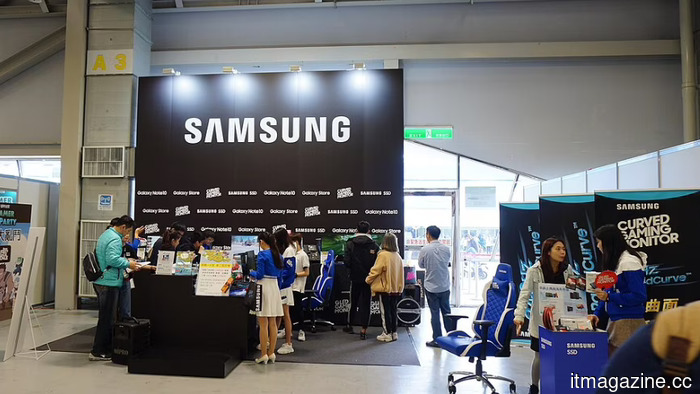 Samsung and Broadcom have finalized a $200 billion agreement covering memory, foundry, and packaging services.
Samsung has entered into a memorandum of understanding (MOU) with Broadcom valued at over $200 billion, covering memory, foundry services, and advanced packaging for AI chips until 2030.
Samsung and Broadcom have finalized a $200 billion agreement covering memory, foundry, and packaging services.
Samsung has entered into a memorandum of understanding (MOU) with Broadcom valued at over $200 billion, covering memory, foundry services, and advanced packaging for AI chips until 2030.
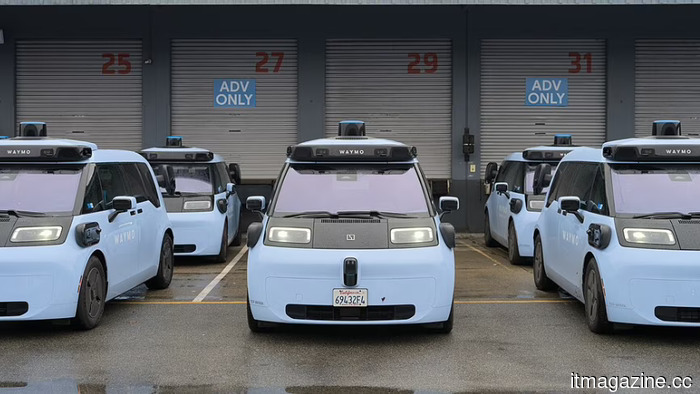 Waymo will terminate its exclusivity agreement with Uber in Austin and Atlanta, launching its own application in January 2028.
Waymo is set to introduce its own app in Austin and Atlanta in January 2028, which will conclude its exclusivity with Uber, allowing both companies to explore competing strategies in the robotaxi market.
Waymo will terminate its exclusivity agreement with Uber in Austin and Atlanta, launching its own application in January 2028.
Waymo is set to introduce its own app in Austin and Atlanta in January 2028, which will conclude its exclusivity with Uber, allowing both companies to explore competing strategies in the robotaxi market.
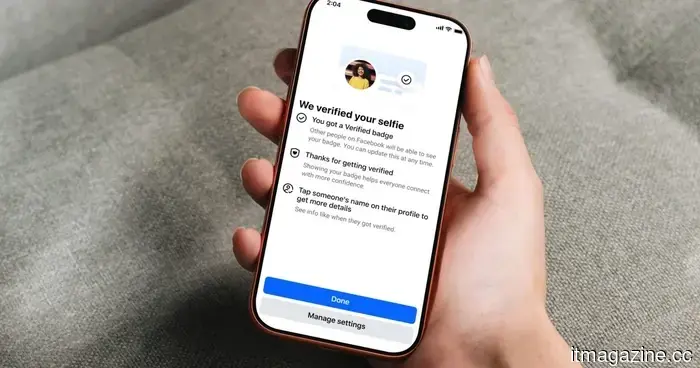 Facebook is introducing a complimentary verified badge to assist in identifying genuine users.
Facebook is introducing a complimentary Verified badge based on selfies, allowing you to confirm that a genuine person is behind a profile before you engage, chat, or make a purchase.
Facebook is introducing a complimentary verified badge to assist in identifying genuine users.
Facebook is introducing a complimentary Verified badge based on selfies, allowing you to confirm that a genuine person is behind a profile before you engage, chat, or make a purchase.
 According to a gas giant, people actually favor communicating with AI over speaking to a support representative as the company reduces its workforce.
British Gas is reducing its customer service positions by 1,300, as the CEO asserts that there is a shift towards using digital channels and AI technologies.
According to a gas giant, people actually favor communicating with AI over speaking to a support representative as the company reduces its workforce.
British Gas is reducing its customer service positions by 1,300, as the CEO asserts that there is a shift towards using digital channels and AI technologies.
 OpenAI experiences another outage with ChatGPT, Codex, and APIs all going down simultaneously.
OpenAI's status page indicated increased error rates in its APIs, ChatGPT, and Codex on Saturday, marking the most recent in a series of outages throughout July.
OpenAI experiences another outage with ChatGPT, Codex, and APIs all going down simultaneously.
OpenAI's status page indicated increased error rates in its APIs, ChatGPT, and Codex on Saturday, marking the most recent in a series of outages throughout July.
Samsung and Broadcom have entered into a $200 billion agreement covering memory, foundry, and packaging technologies.
Samsung has entered into a Memorandum of Understanding (MOU) with Broadcom valued at over $200 billion, covering memory, foundry, and advanced packaging for AI chips through the year 2030.