
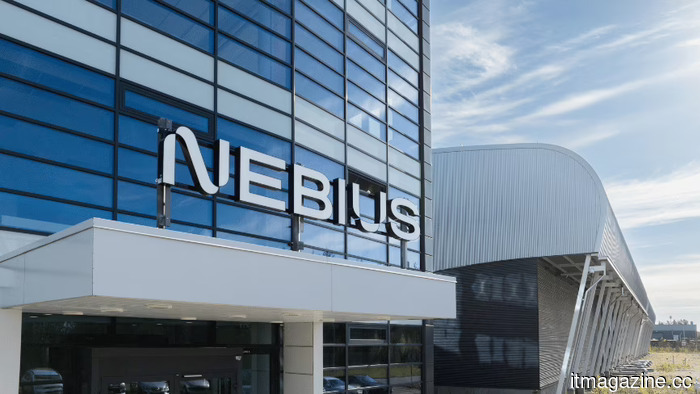
Reflection has finalized a $1 billion AI computing agreement with Nebius.
Reflection AI has secured additional computing power. The US startup entered into an AI computing agreement exceeding $1 billion with Nebius, a cloud provider based in Amsterdam, as reported by Bloomberg. This contract extends until 2029 and allows Reflection to utilize Nvidia’s latest GB300 chips.
Nebius has confirmed the deal, and its stock has more than doubled this year due to the surge in AI investments. The shares rose initially following the announcement but later declined during the trading session.
This marks Reflection’s second significant capacity agreement in a matter of weeks. Last month, it finalized a multibillion-dollar contract with SpaceX for the same type of Nvidia chips, estimated to be worth around $150 million per month until 2029.
About Reflection
Founded in 2024 by two former Google DeepMind researchers, Reflection develops open-source models. The company's proposition offers a more cost-effective and customizable alternative to the proprietary systems from OpenAI and Anthropic.
The startup is valued at approximately $8 billion and has raised nearly $2.6 billion from investors such as Nvidia, Sequoia Capital, and Lightspeed Venture Partners. Additionally, it is reportedly in discussions to secure another $2.5 billion at a $25 billion valuation, according to the Wall Street Journal.
"The demand for open models is evident, and this added computing capacity will enable Reflection to continue building and training advanced AI models on a large scale," stated co-founder and chief technology officer Ioannis Antonoglou.
A race for computing resources
AI startups are in a competitive rush to secure hardware. The demand from businesses adopting this technology is growing faster than new data centers can be established. Capacity has become the limiting factor, and chip prices are consistently increasing.
Open models are gaining traction for two main reasons: they tend to be less expensive to operate and are more easily customizable. Additionally, last month the Trump administration urged Anthropic and OpenAI to impose restrictions on some of their most powerful models, according to TechCrunch. This highlighted the risks associated with depending on a provider that could potentially cut access abruptly.
Nebius takes action
Nebius operates as a neocloud, leasing AI computing capacity instead of creating models. The company separated from the Russian internet group Yandex in 2024 and is now listed on Nasdaq.
Nvidia has consistently supported Nebius, from an initial $700 million funding round to a subsequent $2 billion investment. Nebius has also expanded its capabilities by acquiring the inference startup Eigen AI.
The client roster is impressive. Nebius has secured a five-year agreement with Meta worth up to $27 billion, alongside a previous contract with Microsoft valued at up to $19.4 billion. The deal with Reflection adds another prominent client.
This situation illustrates how much of the momentum behind open models relies on rented infrastructure. While the models may be open-source, the computing resources required are far from free.
Other articles
 OnePlus is set to withdraw from the US and Europe as soon as this week.
Oppo is closing OnePlus in the US and Europe due to financial difficulties, geopolitical issues, and the memory crisis that has impacted budget smartphones. An exit from India is expected in 2027.
OnePlus is set to withdraw from the US and Europe as soon as this week.
Oppo is closing OnePlus in the US and Europe due to financial difficulties, geopolitical issues, and the memory crisis that has impacted budget smartphones. An exit from India is expected in 2027.
 Declining Samsung Health AI training will not erase your health history, after all.
Samsung states that opting out of AI training in Samsung Health will solely erase the data gathered for AI development, while leaving current health records unaffected.
Declining Samsung Health AI training will not erase your health history, after all.
Samsung states that opting out of AI training in Samsung Health will solely erase the data gathered for AI development, while leaving current health records unaffected.
 Proposed social media curfew in the UK for older teenagers.
The social media curfew in the UK is set to disable apps overnight for those aged 16 and 17, as well as restrict endless scrolling by default, starting in spring 2027.
Proposed social media curfew in the UK for older teenagers.
The social media curfew in the UK is set to disable apps overnight for those aged 16 and 17, as well as restrict endless scrolling by default, starting in spring 2027.
 Amazon Leo surpasses Starlink in reaching South Africa, which is Musk’s country of origin.
Amazon Leo is set to debut in South Africa in 2027, surpassing Starlink in Elon Musk's home country due to his non-compliance with Black ownership regulations.
Amazon Leo surpasses Starlink in reaching South Africa, which is Musk’s country of origin.
Amazon Leo is set to debut in South Africa in 2027, surpassing Starlink in Elon Musk's home country due to his non-compliance with Black ownership regulations.
 Velocity secures $38 million in Series A funding for stablecoin transactions.
London-based fintech Velocity has secured $38 million in a Series A funding round, with Dragonfly and FirstMark as the leading investors, to provide enterprises with stablecoin treasury and settlement solutions.
Velocity secures $38 million in Series A funding for stablecoin transactions.
London-based fintech Velocity has secured $38 million in a Series A funding round, with Dragonfly and FirstMark as the leading investors, to provide enterprises with stablecoin treasury and settlement solutions.
 ASML intends to increase the production speed of its EUV machines by 30% due to the demand for AI exceeding its manufacturing capabilities.
ASML is decreasing the EUV cycle time from 22 weeks to 15-16 weeks. It is almost fully reserved for 2027, with significant orders for 2028 already secured. Guidance has been improved.
ASML intends to increase the production speed of its EUV machines by 30% due to the demand for AI exceeding its manufacturing capabilities.
ASML is decreasing the EUV cycle time from 22 weeks to 15-16 weeks. It is almost fully reserved for 2027, with significant orders for 2028 already secured. Guidance has been improved.
Reflection has finalized a $1 billion AI computing agreement with Nebius.
Reflection has finalized a $1 billion AI computing agreement with Nebius for the latest Nvidia chips, marking its second significant capacity acquisition within a month due to increasing demand for open models.