
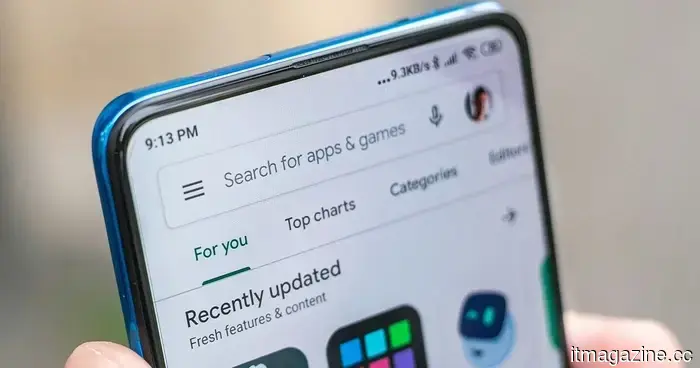
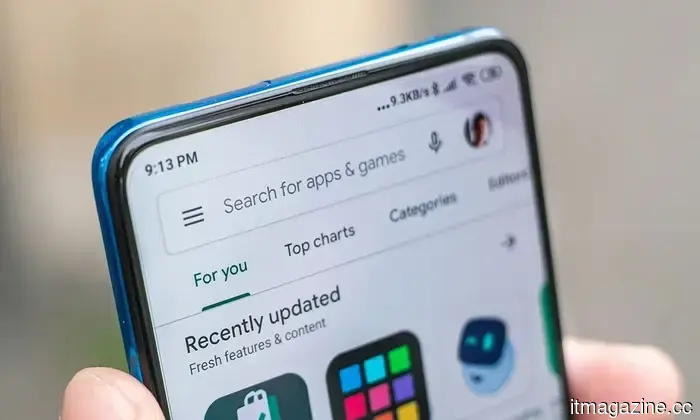
Next week marks the start of the most significant change to Android's app store in years.
Google Play will permit rival app stores in the US starting July 22, enhancing choices for Android users while keeping Google involved in every download.
Android is poised for its most significant app store transformation in years. From July 22, third-party Android stores in the US will gain access to Google Play’s catalog and can offer those applications through their own platforms.
This change follows the withdrawal of Google and Epic Games from their joint effort to amend the permanent injunction in their ongoing legal dispute. Google is now obligated to comply with the original order, which mandates the distribution of rival stores via Google Play. The support documentation confirms the launch date of July 22; however, competing stores must register before they can take part.
How rival app stores will operate within Google Play
Stores that participate can present descriptions, screenshots, and other information derived from Google Play listings. When a user selects an app, the download will still be processed through Google, maintaining the same terms as a direct installation from the Play Store.
Google will continue to collect its service fee on these downloads. Developers can share their listings across all enrolled stores, manage each store separately, or choose to opt out entirely. If developers fail to select an option prior to July 22, their listings will be shared by default.
Rival stores gain immediate access to a catalog, but they will not have an independent distribution system.
Requirements for competing app stores to qualify
Access to the catalog comes with stipulations. Third-party stores must pay an annual fee of $5,000 for security and policy evaluations and are restricted to operations within the US. They are also required to accept all qualified developers without restricting their catalogs to preferred partners.
Participating stores must implement clear trust and safety policies, and instances of malware must remain below 1% of installation attempts. These criteria address the apparent security concerns associated with external storefronts.
Furthermore, the requirements grant Google considerable control over which competitors are permitted. While Android will offer more avenues for app discovery, Google still dictates the entry criteria.
What changes for Android users next week
The program will officially launch on July 22, but rival stores may not be immediately available within Google Play on that day. Store operators must qualify and launch their platforms before users will notice any changes.
Once available, Android users will be able to explore alternative stores without needing to sideload them from unknown sites. Although the impact may not seem as significant as the legal battle behind it suggests, especially since Google is still facilitating every download, having a presence within Google Play offers alternative stores visibility they have long sought among mainstream users they aim to attract from Google.



Other articles
 Reflection has entered into a $1 billion AI computing agreement with Nebius.
Reflection has entered into a $1 billion agreement with Nebius for Nvidia's latest chips, marking its second significant capacity acquisition in a month due to the increasing demand for open models.
Reflection has entered into a $1 billion AI computing agreement with Nebius.
Reflection has entered into a $1 billion agreement with Nebius for Nvidia's latest chips, marking its second significant capacity acquisition in a month due to the increasing demand for open models.
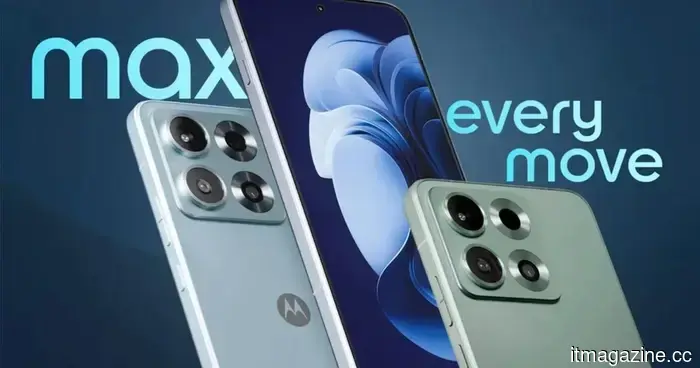 Motorola's latest flagship killer offers the speed and magnetic charging that more expensive Android phones often lack.
The Motorola Edge 70 Max features Snapdragon 8 Gen 5 performance, an expansive 7,100mAh battery, and magnetic charging, all at a cost significantly lower than numerous high-end flagship models.
Motorola's latest flagship killer offers the speed and magnetic charging that more expensive Android phones often lack.
The Motorola Edge 70 Max features Snapdragon 8 Gen 5 performance, an expansive 7,100mAh battery, and magnetic charging, all at a cost significantly lower than numerous high-end flagship models.
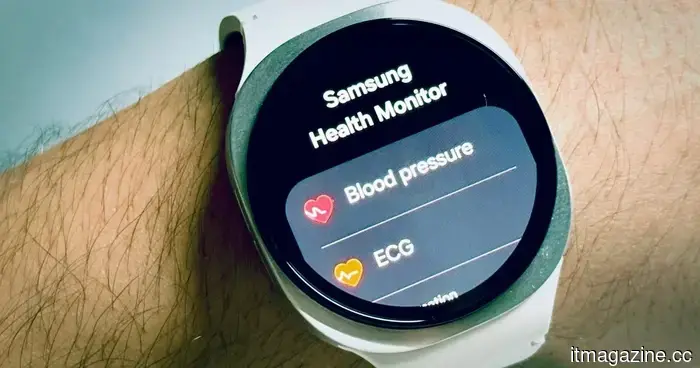 Declining Samsung Health AI training will not erase your health history, after all.
Samsung states that opting out of AI training in Samsung Health will solely erase the data gathered for AI development, while leaving current health records unaffected.
Declining Samsung Health AI training will not erase your health history, after all.
Samsung states that opting out of AI training in Samsung Health will solely erase the data gathered for AI development, while leaving current health records unaffected.
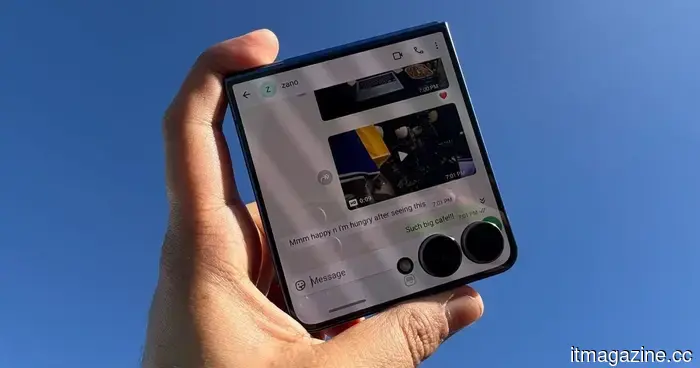 Samsung's upcoming flip phone might demand a higher price while providing little in the way of new features.
Samsung's Galaxy Z Flip 8 may come with nearly the same hardware as its predecessor, but with a significant price hike, making last year's discounted foldable much more appealing.
Samsung's upcoming flip phone might demand a higher price while providing little in the way of new features.
Samsung's Galaxy Z Flip 8 may come with nearly the same hardware as its predecessor, but with a significant price hike, making last year's discounted foldable much more appealing.
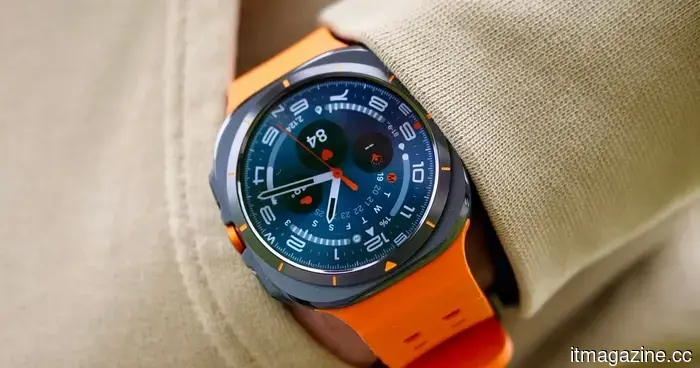 Samsung aims for its forthcoming Galaxy Watch to serve as your AI health assistant.
Samsung is hinting at its upcoming Galaxy Watch, which will serve as an AI-driven health companion, just before the Galaxy Unpacked event on July 22.
Samsung aims for its forthcoming Galaxy Watch to serve as your AI health assistant.
Samsung is hinting at its upcoming Galaxy Watch, which will serve as an AI-driven health companion, just before the Galaxy Unpacked event on July 22.
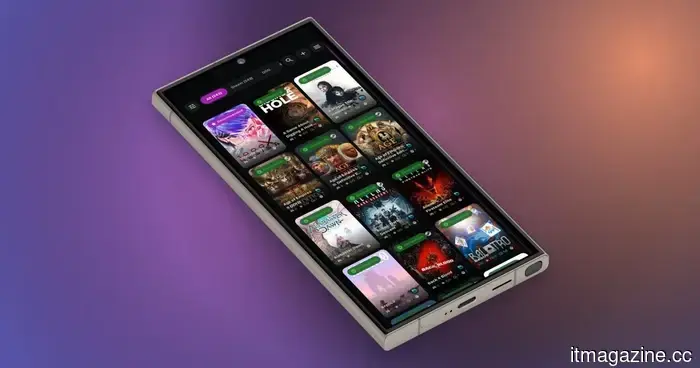 GameNative has just simplified the process of loading PC game mods onto your Android phone to an alarming degree.
GameNative’s newest pre-release offers direct downloads and management of Nexus Mods on Android, simplifying PC game modding but urging early users to acknowledge the risks associated with unpolished software.
GameNative has just simplified the process of loading PC game mods onto your Android phone to an alarming degree.
GameNative’s newest pre-release offers direct downloads and management of Nexus Mods on Android, simplifying PC game modding but urging early users to acknowledge the risks associated with unpolished software.
Next week marks the start of the most significant change to Android's app store in years.
Google Play will allow rival Android app stores in the US starting July 22, but competing platforms must fulfill Google's criteria before users notice any significant differences.