
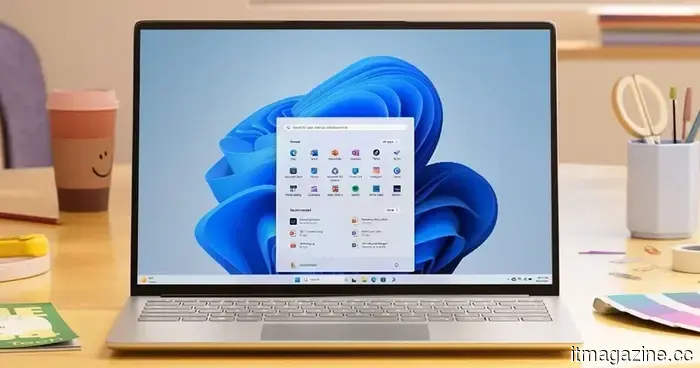
The Windows 11 Search feature is expanding, albeit by just 4 pixels.
The modification may be in anticipation of the forthcoming Ask Copilot feature.
If you've utilized Windows 11 Search following the June update, you might have noticed it seems a bit less bothersome. Microsoft has recently enhanced the Start menu and Search for improved responsiveness and addressed one of Search's peculiar limitations by allowing it to discover local files with only two characters.
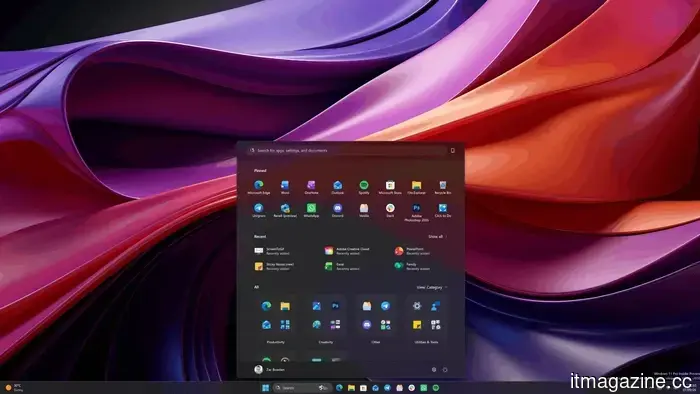
Currently, the company seems to be undertaking a minor change. As reported by Windows Central, Microsoft unintentionally disclosed that the search box in the Taskbar and Start menu is increasing in height by 4 pixels. Although four pixels may seem like a change only a UI/UX designer could appreciate, screenshots from the Insider Preview build indicate that it's noticeable once you know where to look.
So, what exactly is changing?
The search box is anticipated to appear a bit more robust than the existing version. On the Taskbar, it shifts closer to the top edge. In the Start menu, the added height gives the search bar a more prominent appearance and slightly alters the surrounding content.
This alteration does not seem to affect how Search operates. It is primarily a visual enhancement, though users might still perceive it since the Taskbar and Start menu are sections of Windows that people view throughout the day.
Why might Microsoft be making this change?
Microsoft has not clarified the reason behind the change, but there is a plausible explanation. Windows Central highlights that the heightening of the search box brings it visually closer to the Ask Copilot search box that Microsoft is developing for Windows 11.
Significant changes are on the horizon for Windows 11. The search box on the Taskbar and in the Start menu is set to change by increasing in height by 4 pixels. My research indicates that this modification is indeed noticeable. The increased height occupies more vertical space on the Taskbar. Moreover, Ask Copilot is an independent search experience that integrates Copilot chat directly into the Taskbar. Currently targeted at commercial users, it requires manual activation, so most individuals may not see it immediately. The standard Search box might simply be undergoing adjustments to ensure that Windows Search and Ask Copilot maintain a more consistent visual style.
I have roughly four years of experience primarily covering gaming, PC hardware, and smartphones. During my free time, I enjoy...
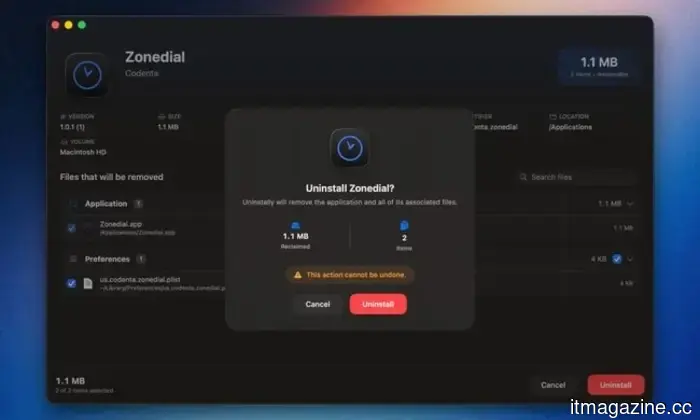
This open-source Mac application identifies the residual files left by deleted apps.
Uninstally effectively removes applications along with their leftover files.
Uninstalling apps on macOS is typically straightforward: you drag the app to the Trash, empty it, and move on. The frustrating aspect is that many applications still leave remnants, including support files, caches, preferences, containers, and logs. I've always found this irritating, particularly when old app data lingers long after the app is uninstalled. AppCleaner by FreeMacSoft has been a popular choice for years and performs reliably. However, I recently discovered a new open-source alternative called Uninstally by Codenta, which addresses the same fundamental issue. It thoroughly removes Mac applications along with their associated support files, caches, preferences, containers, logs, and other remnants they typically leave behind.
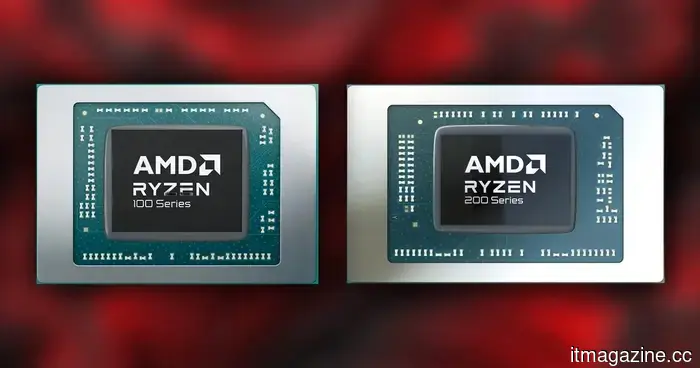
AMD has recently complicated its Ryzen laptop chip lineup, but here's what’s truly new.
AMD has discreetly broadened its mobile processor line with 11 new Ryzen laptop processors, launching new models in both the Ryzen 200 and Ryzen 100 series. While this might seem straightforward, the core issue isn't the processors themselves—it's AMD's increasingly convoluted naming strategy. The company has introduced seven new Ryzen 200 processors alongside four new Ryzen 100 models, but despite their categorization, many are built on the same Hawk Point silicon featuring Zen 4 CPU cores and RDNA 3 integrated graphics.
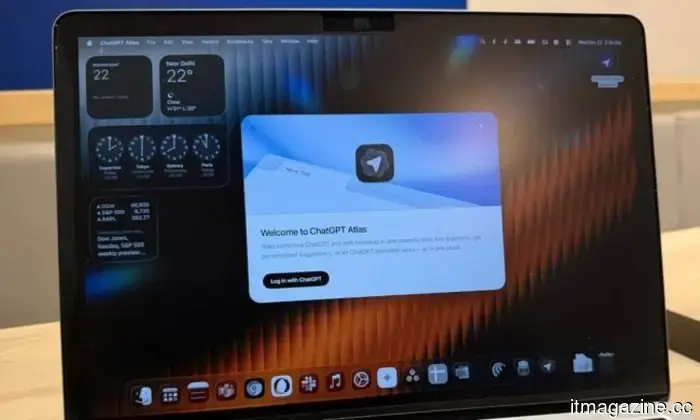
OpenAI is discontinuing the ChatGPT Atlas browser. I enjoyed it, but it faced a challenging climb to success.
When OpenAI released its own web browser, there was considerable skepticism regarding why an AI research lab would be interested in developing a browser. Nevertheless, the company proceeded to launch ChatGPT Atlas, integrating numerous AI features. However, this venture will come to an end, as the browser will be phased out in September of this year. OpenAI has stated that it is discontinuing the brief-lived browser to focus on advancing the new ChatGPT desktop app, which already includes a built-in browser and a cloud browser for AI agents. As ChatGPT is being introduced to other browsers, such as Chrome, as an extension, there is little necessity to maintain a separate browser project.


Other articles
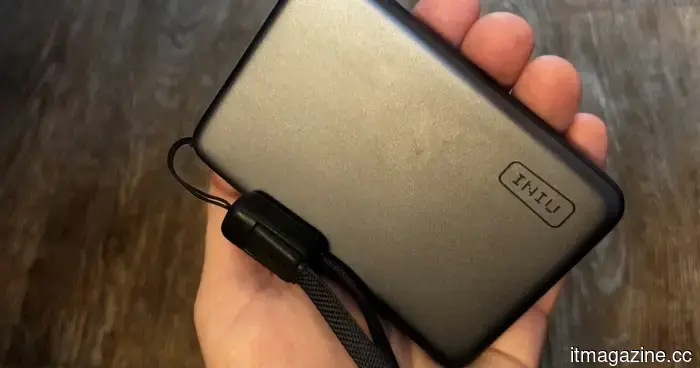 INIU SnapGo Air review: A multifunctional power bank that I don’t mind carrying on a daily basis.
I became weary of cumbersome chargers, but INIU came to my aid. The SnapGo Air is a sleek, lightweight 10,000mAh magnetic power bank featuring fast Qi2.2 charging and a built-in cable that you'll genuinely want to take with you every day.
INIU SnapGo Air review: A multifunctional power bank that I don’t mind carrying on a daily basis.
I became weary of cumbersome chargers, but INIU came to my aid. The SnapGo Air is a sleek, lightweight 10,000mAh magnetic power bank featuring fast Qi2.2 charging and a built-in cable that you'll genuinely want to take with you every day.
 AMD has added to the confusion surrounding its Ryzen laptop processors, but here's a clear overview of what's actually changed.
AMD has broadened its mobile processor range by introducing 11 new Ryzen 200 and Ryzen 100 series processors built on Hawk Point, although the company's recent naming approach is becoming increasingly perplexing.
AMD has added to the confusion surrounding its Ryzen laptop processors, but here's a clear overview of what's actually changed.
AMD has broadened its mobile processor range by introducing 11 new Ryzen 200 and Ryzen 100 series processors built on Hawk Point, although the company's recent naming approach is becoming increasingly perplexing.
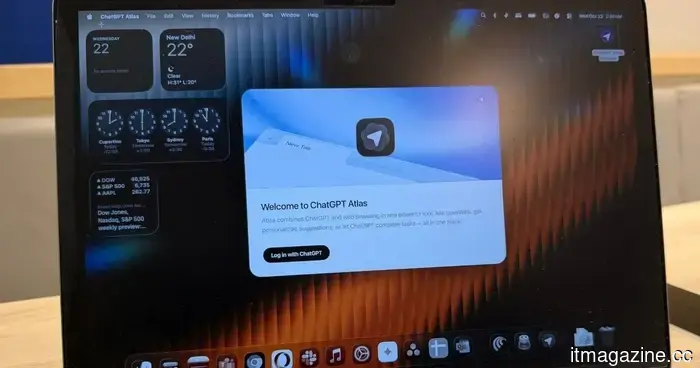 OpenAI is discontinuing the ChatGPT Atlas browser. I enjoyed it, but it was a challenging journey to succeed.
OpenAI is phasing out the ChatGPT Atlas browser less than a year after its launch, redirecting its attention to ChatGPT Work.
OpenAI is discontinuing the ChatGPT Atlas browser. I enjoyed it, but it was a challenging journey to succeed.
OpenAI is phasing out the ChatGPT Atlas browser less than a year after its launch, redirecting its attention to ChatGPT Work.
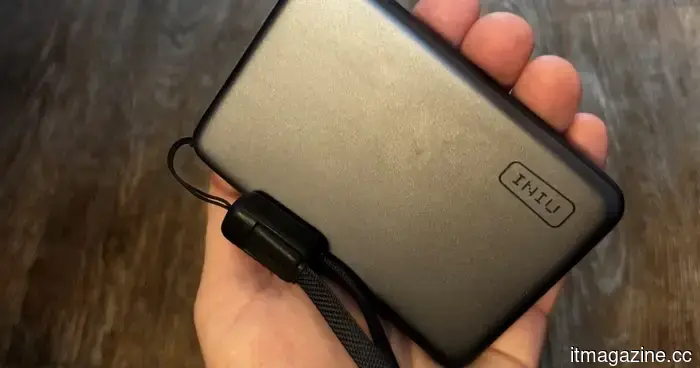 INIU SnapGo Air review: A multifunctional power bank that I don’t mind carrying with me daily.
I got fed up with oversized chargers, but INIU came to my aid. The SnapGo Air is a sleek, lightweight 10,000mAh magnetic power bank featuring fast Qi2.2 charging and an integrated cable that you'll actually want to take with you every day.
INIU SnapGo Air review: A multifunctional power bank that I don’t mind carrying with me daily.
I got fed up with oversized chargers, but INIU came to my aid. The SnapGo Air is a sleek, lightweight 10,000mAh magnetic power bank featuring fast Qi2.2 charging and an integrated cable that you'll actually want to take with you every day.
 Google will identify advertisements created by AI, provided that advertisers acknowledge it.
Google's latest "how this ad was made" label identifies ads generated by AI on Search, YouTube, and Discover, but for ads from third parties, the disclosure is based on self-reporting.
Google will identify advertisements created by AI, provided that advertisers acknowledge it.
Google's latest "how this ad was made" label identifies ads generated by AI on Search, YouTube, and Discover, but for ads from third parties, the disclosure is based on self-reporting.
 Google will identify ads created by AI, provided that advertisers acknowledge it.
Google's new "how this ad was made" tag identifies ads created by AI on Search, YouTube, and Discover, but for ads from third parties, the disclosure relies on self-reporting.
Google will identify ads created by AI, provided that advertisers acknowledge it.
Google's new "how this ad was made" tag identifies ads created by AI on Search, YouTube, and Discover, but for ads from third parties, the disclosure relies on self-reporting.
The Windows 11 Search feature is expanding, albeit by just 4 pixels.
Following enhancements to Windows 11 Search in recent updates, Microsoft might be getting ready to implement a minor design adjustment for the Search box.