

Panasonic plans to localize battery production for data centers in the U.S., according to the CEO.
The Japanese company intends to begin mass-producing battery cells for data centres in Kansas by fiscal 2028, reallocating a significant portion of its AI infrastructure investment towards storage solutions. Manufacturers that previously developed batteries for electric vehicles are realizing they have a new and demanding client: data centres.
Panasonic aims to localize the production of data-centre battery cells within the United States, as stated by the CEO of its energy unit. Instead of relying on shipments, the company will produce the cells at a facility in Kansas, targeting a market that was virtually nonexistent just a few years back. Mass production at this Kansas location is set to commence in the financial year ending March 2029, which Panasonic identifies as fiscal 2028.
The facility will provide Panasonic with a domestic base to directly serve U.S. data-centre operators, offering a significant advantage during a time when tariffs, supply chain uncertainties, and the rapid expansion of AI have made domestic manufacturing a strategic asset rather than a cost to be minimized.
The financial backing for this initiative is considerable. Panasonic is directing approximately 350 billion yen, or about $2.18 billion, from a previously announced 500 billion yen investment in AI infrastructure for the fiscal years 2026 to 2028 toward its Energy unit, which also supplies Tesla, while the remaining 150 billion yen will go to its Industry sector.
This allocation indicates where the company anticipates growth: the battery sector, which has developed around electric vehicles, is being repurposed to support server facilities. Panasonic Energy's CEO, Kazuo Tadanobu, described the unit’s sales goal of 950 billion yen for data-centre-related energy storage in fiscal 2028 as a “minimum commitment,” with aspirations to exceed 1 trillion yen. Presenting this target as a baseline rather than a goal underscores the company's expectation for rapid demand growth.
This strategy is informed by how modern data centres operate. These facilities, which train and serve AI models, experience high, fluctuating energy demands, and cannot afford even the slightest interruption. This makes large-scale battery storage essential for balancing supply, addressing outages, and bridging the difference between grid deliveries and rack requirements at any moment. As AI computation grows, the associated storage needs will grow as well.
The required battery cells differ from those used in vehicles, being designed for grid-like duty cycles instead of the weight and range considerations relevant to cars. This necessity is a key reason why a seasoned battery manufacturer must establish dedicated production capacity rather than simply adapting its existing production lines.
Current demand is already putting pressure on surrounding systems. The expansion of data centres has strained electrical grids, causing operators in Denmark to halt new connections, and those in China to grapple with matching clean energy to data-centre loads. This context renders on-site storage a necessity rather than a luxury.
Batteries are evolving into an integral component of AI infrastructure, rather than an optional add-on. Panasonic is entering a competitive landscape, as Chinese battery giants like CATL are also targeting the data-centre storage market, creating competition alongside the wider race concerning the silicon technologies used within these facilities, with Chinese companies rapidly advancing domestic alternatives to Nvidia.
The energy component of the AI stack is becoming just as competitive as the computation aspect. The U.S. facility is part of a larger network; Panasonic Energy also plans to establish a third plant in Mexico, with mass production similarly aimed for fiscal 2028, providing North American capacity on both sides of the border.
The company has yet to disclose the expected output volumes from the Kansas site or identify the data-centre clients it anticipates serving, leaving commercial details to unfold as production nears. However, the direction is clear: a battery manufacturer that focused on automotive applications is now making a significant second foray into the realm of AI.
Other articles
 The discussion on drone defense in Taiwan intensifies as the opposition advocates for an alternative proposal.
Taiwan's opposition party, the KMT, is suggesting a budget of NT$240 billion for unmanned systems just days after delaying the government's proposal, a move that has significant consequences for the island's defense.
The discussion on drone defense in Taiwan intensifies as the opposition advocates for an alternative proposal.
Taiwan's opposition party, the KMT, is suggesting a budget of NT$240 billion for unmanned systems just days after delaying the government's proposal, a move that has significant consequences for the island's defense.
 Andreessen: Is it true that Doctor ChatGPT outperforms 99% of doctors?
Marc Andreessen claims that Doctor ChatGPT outperforms 99% of physicians. However, he did not provide any data or profit figures from health-AI, and studies indicate that the bot overlooked 50% of emergencies.
Andreessen: Is it true that Doctor ChatGPT outperforms 99% of doctors?
Marc Andreessen claims that Doctor ChatGPT outperforms 99% of physicians. However, he did not provide any data or profit figures from health-AI, and studies indicate that the bot overlooked 50% of emergencies.
 Apple announces that it will be releasing security updates sooner due to the accelerated pace of hacking driven by AI advancements.
Apple is separating security updates from its yearly iOS release schedule and deploying them earlier, citing that AI can shorten the time frame that attackers require.
Apple announces that it will be releasing security updates sooner due to the accelerated pace of hacking driven by AI advancements.
Apple is separating security updates from its yearly iOS release schedule and deploying them earlier, citing that AI can shorten the time frame that attackers require.
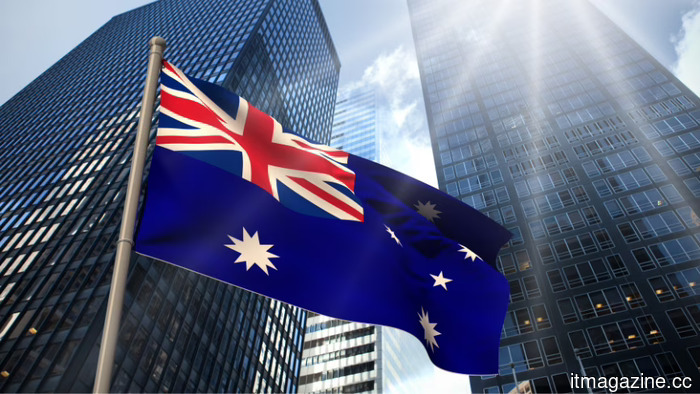 Australia takes legal action against Amazon regarding Prime Video advertisements, alleging unfair contract conditions.
The ACCC claims that Amazon employed unjust Prime contract conditions to implement advertisements on Prime Video for more than a million yearly subscribers without providing refunds.
Australia takes legal action against Amazon regarding Prime Video advertisements, alleging unfair contract conditions.
The ACCC claims that Amazon employed unjust Prime contract conditions to implement advertisements on Prime Video for more than a million yearly subscribers without providing refunds.
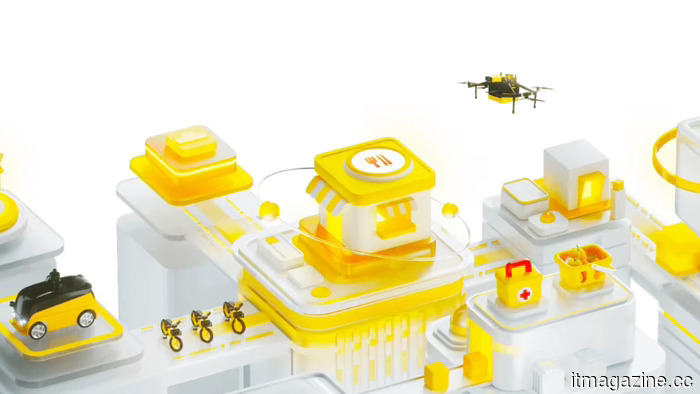 China's Meituan announced that its latest AI model was developed using domestic chips for training.
According to China, Meituan's LongCat-2.0, which has 1.6 trillion parameters, is the first model of its scale to be trained comprehensively on a domestic cluster consisting of 50,000 chips, in light of US export restrictions.
China's Meituan announced that its latest AI model was developed using domestic chips for training.
According to China, Meituan's LongCat-2.0, which has 1.6 trillion parameters, is the first model of its scale to be trained comprehensively on a domestic cluster consisting of 50,000 chips, in light of US export restrictions.
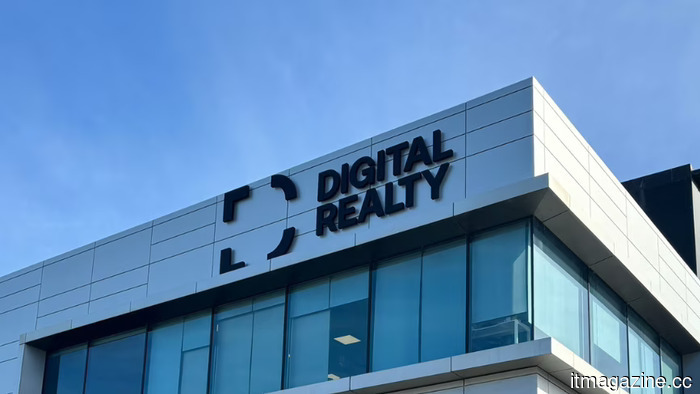 Digital Realty is set to acquire Blackstone's share in three data centers located in Virginia.
Digital Realty is acquiring Blackstone’s controlling stake in three data centers located in Northern Virginia, a transaction that values the assets at $7.8 billion, with $3.5 billion paid in cash and stock.
Digital Realty is set to acquire Blackstone's share in three data centers located in Virginia.
Digital Realty is acquiring Blackstone’s controlling stake in three data centers located in Northern Virginia, a transaction that values the assets at $7.8 billion, with $3.5 billion paid in cash and stock.
Panasonic plans to localize battery production for data centers in the U.S., according to the CEO.
Panasonic intends to begin mass production of battery cells for data centers in Kansas by fiscal 2028, as part of a 500 billion yen initiative to enhance AI infrastructure targeting a rapidly expanding storage market.