

Tired of reading academic papers? This AI tool transforms them into videos similar to TikTok.
PaperTok makes academic papers accessible for those with short attention spans
Academic papers may not be seen as enjoyable reading material. For the average person, the lengthy, dense, and specialized language can be quite daunting. Typically, these papers are presented as PDFs that seem designed to challenge one’s resolve. A team of researchers from the University of Washington believes there is a better method to present this work to the general public. They are transforming academic papers into brief videos.
This tool is named PaperTok and it employs AI to assist researchers in converting academic papers into concise, social media-friendly videos. Picture TikTok, but focused on explaining research rather than disseminating mind-numbing content. The most appealing aspect? PaperTok is creating a platform that involves scientists and researchers in the process rather than solely using AI to summarize the papers.
How PaperTok operates
A researcher uploads their paper to PaperTok, and the platform utilizes Google Gemini to analyze the document and propose brief video concepts. The system offers various hooks, as engagement in short-form videos hinges on the initial seconds. After selecting a hook, PaperTok generates a script. The researcher can then modify the script, alter the tone, and refine the content prior to progressing to the storyboard phase. The platform subsequently divides the script into scenes and produces visual clips section by section.
After the video is completed, PaperTok ensures to credit the authors of the paper and the video creator, affirming that AI does not overshadow those who contributed the actual work. The videos are kept short, with PaperTok capable of transforming research papers into 45-second videos, aligning much closer with how many people consume media online.
Using AI to combat AI
PaperTok was developed because researchers observed that individuals were already employing generative AI to produce brief science videos. However, non-experts using AI to interpret complex papers often result in errors that propagate misinformation rapidly. Therefore, PaperTok applies these tools correctly, while keeping scientists involved in the process.
In tests, UW researchers evaluated PaperTok videos against those from two other PDF-to-video converters using feedback from 100 online participants and 18 academic participants. The PaperTok videos were regarded as more user-friendly and engaging. Nonetheless, some users still felt the videos appeared excessively AI-generated, exhibiting issues such as odd visual artifacts or nonsensical text, indicating that the technology is not yet flawless. A video that seems overtly AI-made might even damage its credibility.
Currently, PaperTok is available only to users with a paid Google Gemini subscription. The team also aims to enhance customization options, allowing users to provide more specific guidance for certain aspects of the generated scenes.


Other articles
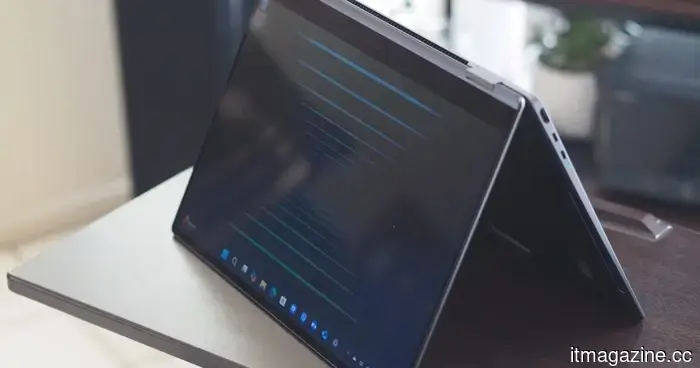 I came across these two Prime Day flagship laptop offers perfect for display enthusiasts and practical shoppers.
These Samsung and Microsoft Prime Day laptop offers approach premium value in different ways: a 16-inch AMOLED 2-in-1 and a Surface Laptop priced under $1,000.
I came across these two Prime Day flagship laptop offers perfect for display enthusiasts and practical shoppers.
These Samsung and Microsoft Prime Day laptop offers approach premium value in different ways: a 16-inch AMOLED 2-in-1 and a Surface Laptop priced under $1,000.
 Russian hackers were responsible for the JLR cyberattack that resulted in a $2.5 billion loss for the UK economy.
According to the New York Times, the JLR cyberattack that halted production for six weeks and led to a $2 billion bailout in the UK was executed by Russian hackers.
Russian hackers were responsible for the JLR cyberattack that resulted in a $2.5 billion loss for the UK economy.
According to the New York Times, the JLR cyberattack that halted production for six weeks and led to a $2 billion bailout in the UK was executed by Russian hackers.
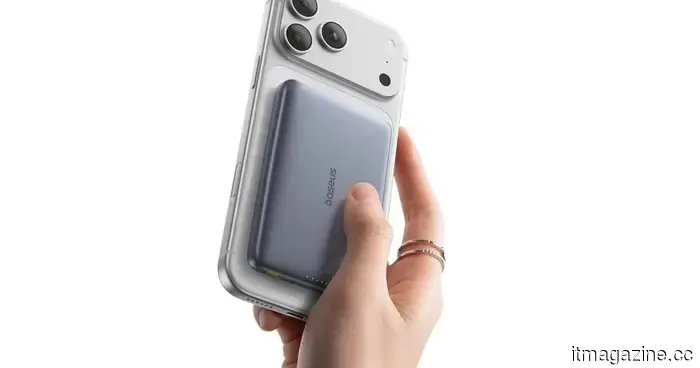 Here are the Prime Day power bank deals I would suggest if you haven't made a decision yet.
Anker and Baseus are offering two excellent Prime Day power bank deals for those who still require portable charging before the sale concludes.
Here are the Prime Day power bank deals I would suggest if you haven't made a decision yet.
Anker and Baseus are offering two excellent Prime Day power bank deals for those who still require portable charging before the sale concludes.
 You might need to wait until 2027 for Macs featuring Apple's top chips.
Apple might be significantly altering its roadmap for Mac silicon. Although the M6 is said to be coming soon, the more powerful Pro and Max chips could be delayed until 2027 in order to prioritize larger AI enhancements.
You might need to wait until 2027 for Macs featuring Apple's top chips.
Apple might be significantly altering its roadmap for Mac silicon. Although the M6 is said to be coming soon, the more powerful Pro and Max chips could be delayed until 2027 in order to prioritize larger AI enhancements.
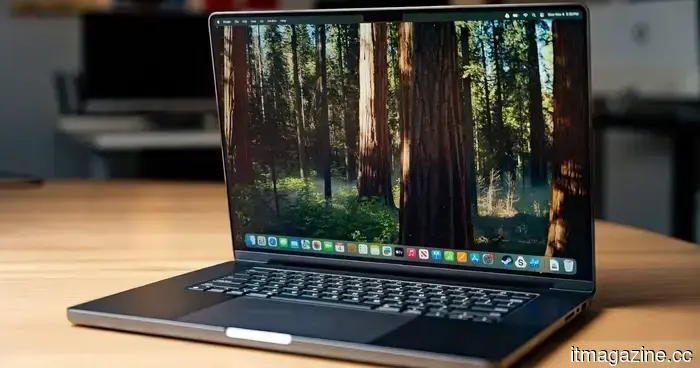 Apple's most significant MacBook Pro redesign in years might forgo the chip that was widely anticipated.
Reports suggest that Apple is working on a revamped MacBook Pro that will feature OLED and touch support; however, the anticipated M6 Pro and M6 Max chips might not be released.
Apple's most significant MacBook Pro redesign in years might forgo the chip that was widely anticipated.
Reports suggest that Apple is working on a revamped MacBook Pro that will feature OLED and touch support; however, the anticipated M6 Pro and M6 Max chips might not be released.
 During the final hours of Prime Day, I discovered the top deals to help you avoid the disappointment of missing out.
Prime Day concludes tonight, and these are the deals I would personally invest in before the prices increase again and the memory crisis causes them to rise even further.
During the final hours of Prime Day, I discovered the top deals to help you avoid the disappointment of missing out.
Prime Day concludes tonight, and these are the deals I would personally invest in before the prices increase again and the memory crisis causes them to rise even further.
Tired of reading academic papers? This AI tool transforms them into videos similar to TikTok.
Researchers at the University of Washington created PaperTok, an AI system designed to transform academic papers into short videos featuring editable scripts, storyboard scenes, and credits for the authors.