

Qualcomm unveils its leading XR processor along with a new framework for AI glasses.
Qualcomm is laying the foundation for the next generation of XR hardware with two significant announcements focusing on both the core technology for future headsets and the necessary tools for their development.
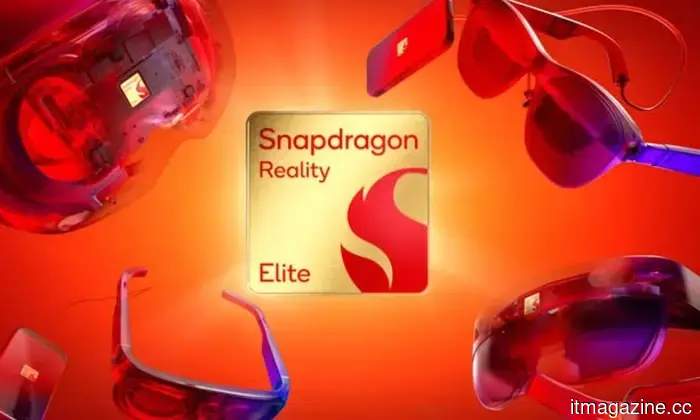
At the Augmented World Expo 2026, Qualcomm introduced Snapdragon Reality Elite, its new flagship XR platform designed for devices operating on Android XR and other mixed-reality applications. Additionally, Qualcomm launched Snapdragon START, an initiative aimed at accelerating the market entry of AI-driven smart glasses and wearable technology.
Snapdragon Reality Elite centers AI in XR
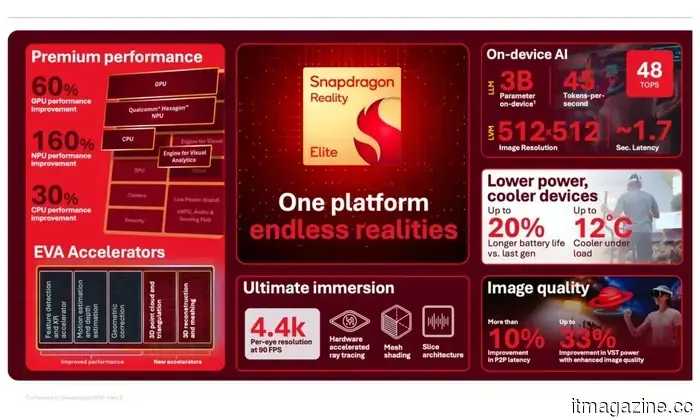
Replacing the Snapdragon XR2+ Gen 2 as the leading model in Qualcomm’s XR range, Snapdragon Reality Elite presents considerable enhancements in performance. Qualcomm claims this platform offers up to 60% faster graphics, a 30% boost in CPU performance, and a significant increase in AI capabilities featuring 48 TOPS of NPU performance. These improvements aim to enhance increasingly complex XR experiences, such as lifelike avatars, on-device AI assistants, and sophisticated 3D content creation tools. Qualcomm indicates that the chip can process more contextual data in real-time, enabling virtual experiences to react more seamlessly to a user’s environment.
Additionally, the platform features a dedicated Engine for Visual Analytics (EVA) component to expedite computer vision processes. This enhancement is expected to improve functionalities like depth estimation and to increase the precision of hand and head tracking. In terms of visual quality, Snapdragon Reality Elite supports displays with resolutions reaching 4.4K per eye at 90 frames per second. Qualcomm also promises reduced latency in video passthrough and enhanced image quality, making digital objects integrate more naturally with the real world.
Qualcomm aims to simplify smart glasses development
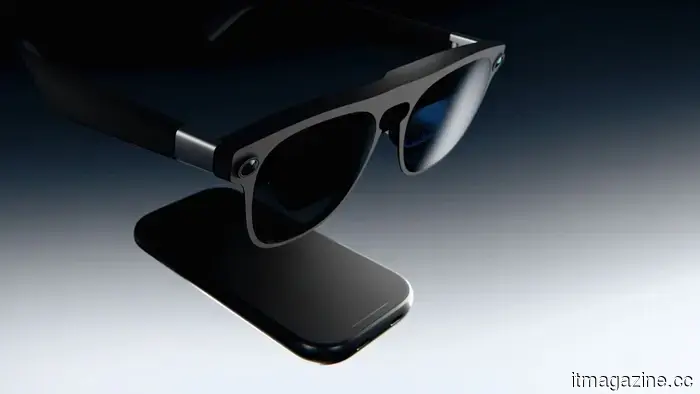
Performance is not the only priority. Qualcomm states that Reality Elite can achieve up to 20% longer battery life compared to its predecessor while operating up to 12 degrees Celsius cooler under heavy use. This chip is designed for a variety of XR devices, from standalone headsets to tethered models featuring optical or video see-through capabilities. The first device powered by this platform is XREAL’s forthcoming Project Aura headset. Alongside the chip, Qualcomm introduced Snapdragon START, or Scalable Turnkey AI-Ready Toolkit. This program combines hardware modules, software frameworks, cloud connectivity resources, and template designs to streamline the creation of smart glasses and future AI-enabled wearables.
The goal is to lower the engineering barriers associated with launching AI-infused devices. Whether companies are developing audio-only smart glasses, wearables with displays, or entirely new personal AI gadgets, Qualcomm aims to provide much of the groundwork before the development phase even begins. These announcements demonstrate Qualcomm's ambition to expand from processors to becoming a comprehensive provider within the emerging Android XR ecosystem.
Shimul is a contributor at Digital Trends, boasting over five years of experience in the technology sector.
Google has launched Android 17 for Pixel devices
Gemini Intelligence will debut later this year for select devices.
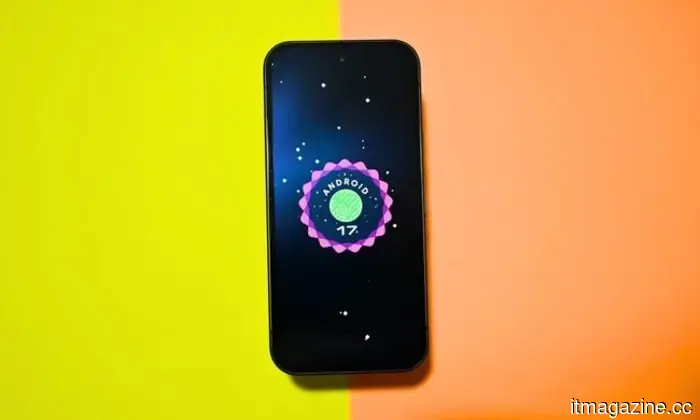
After months filled with speculation and two keynote presentations in May 2026, Google has officially released the stable version of Android 17. The rollout begins today for eligible Pixel devices, spanning from the Pixel 6 lineup to the newest Pixel 10 series.
The stable version includes numerous features highlighted during The Android Show and Google I/O. However, if you were hoping for Gemini Intelligence, you'll need to wait until this summer, as it will be available for "select advanced devices." Below are the offerings of Android 17 at launch.
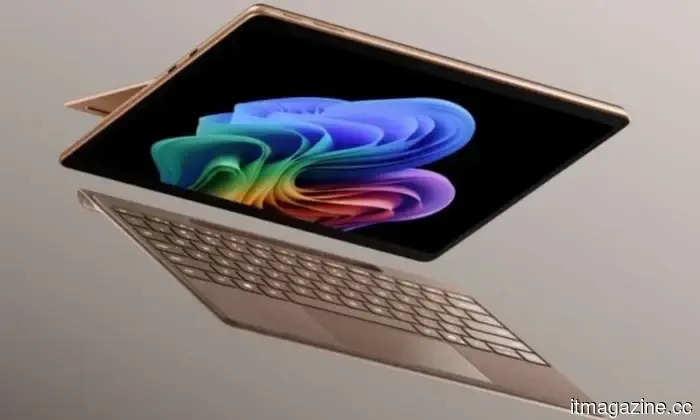
Microsoft unveils Surface Pro 12, its top 2-in-1 PC yet, but it's its most expensive as well
Microsoft has unveiled what is arguably its finest Surface Pro to date. The 12th Edition of the Surface Pro, featuring a 13-inch display, presents significant upgrades across various aspects, including both CPU and GPU capabilities, as well as battery life.
These enhancements make it an excellent choice for anyone seeking a versatile 2-in-1 laptop that can double as a tablet when needed, while also allowing for a keyboard attachment for enhanced productivity. However, there is one obstacle to consider: the cost.
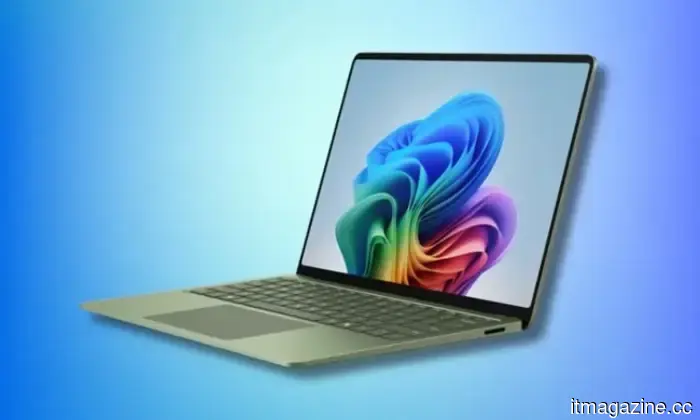
Microsoft's Surface Laptop 8 boasts 20-hour battery life, enhanced GPU performance, and a hefty price of $1,599
The newly launched Surface Laptop 8 features the Snapdragon X2 chip, replacing the X Elite from the previous version, but that isn’t the most notable aspect.
The lineup includes two variants, with the 13.8-inch model claiming to offer up to 20 hours of battery life on a single charge.

Other articles
 Disney has always had a fondness for witch tales, and the Hexed trailer appears to be its finest in years.
The trailer for Disney's Hexed showcases a breathtaking realm of witches, featuring a misfit teenage protagonist voiced by Hailee Steinfeld.
Disney has always had a fondness for witch tales, and the Hexed trailer appears to be its finest in years.
The trailer for Disney's Hexed showcases a breathtaking realm of witches, featuring a misfit teenage protagonist voiced by Hailee Steinfeld.
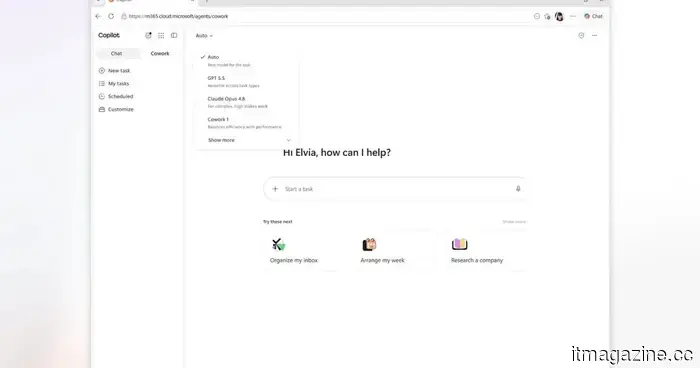 Microsoft's latest AI assistant aims to handle complete projects for you.
Microsoft is introducing Copilot Cowork to companies around the globe, offering an AI assistant capable of executing intricate, multi-step tasks and providing a flexible pay-as-you-go pricing model.
Microsoft's latest AI assistant aims to handle complete projects for you.
Microsoft is introducing Copilot Cowork to companies around the globe, offering an AI assistant capable of executing intricate, multi-step tasks and providing a flexible pay-as-you-go pricing model.
 Microsoft's latest AI assistant aims to handle complete projects for you.
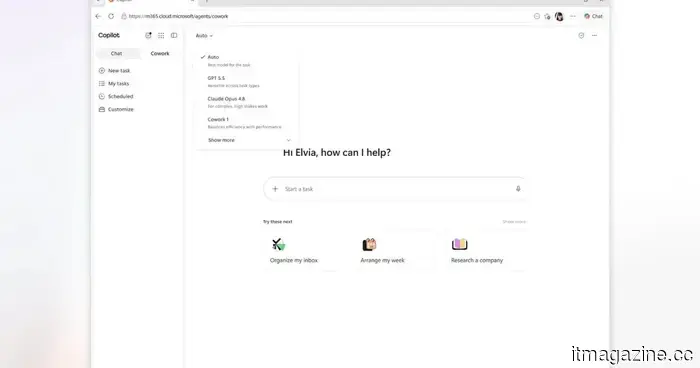
Microsoft is introducing Copilot Cowork to companies across the globe, offering an AI assistant capable of handling intricate, multi-step tasks along with a flexible pay-as-you-go pricing model.
Microsoft's latest AI assistant aims to handle complete projects for you.
Microsoft is introducing Copilot Cowork to companies across the globe, offering an AI assistant capable of handling intricate, multi-step tasks along with a flexible pay-as-you-go pricing model.
 Google's Pixel Drop for June 2026 introduces floating app bubbles, screen interactions, and a variety of new AI features.
Google has begun the rollout of Android 17 along with its June Pixel Drop update, introducing Bubbles, Screen Reactions, AI music generation, enhanced calling features, and new safety tools for the Pixel Watch.
Google's Pixel Drop for June 2026 introduces floating app bubbles, screen interactions, and a variety of new AI features.
Google has begun the rollout of Android 17 along with its June Pixel Drop update, introducing Bubbles, Screen Reactions, AI music generation, enhanced calling features, and new safety tools for the Pixel Watch.
 Qualcomm unveils its leading XR processor along with a new framework for AI-enabled glasses.
Qualcomm's latest Snapdragon Reality Elite platform offers quicker AI processing, enhanced visuals, extended battery life, and better tracking for the upcoming generation of XR headsets and smart glasses.
Qualcomm unveils its leading XR processor along with a new framework for AI-enabled glasses.
Qualcomm's latest Snapdragon Reality Elite platform offers quicker AI processing, enhanced visuals, extended battery life, and better tracking for the upcoming generation of XR headsets and smart glasses.
Qualcomm unveils its leading XR processor along with a new framework for AI glasses.
Qualcomm's latest Snapdragon Reality Elite platform offers enhanced AI processing speeds, clearer visuals, extended battery life, and better tracking for the upcoming generation of XR headsets and smart glasses.