
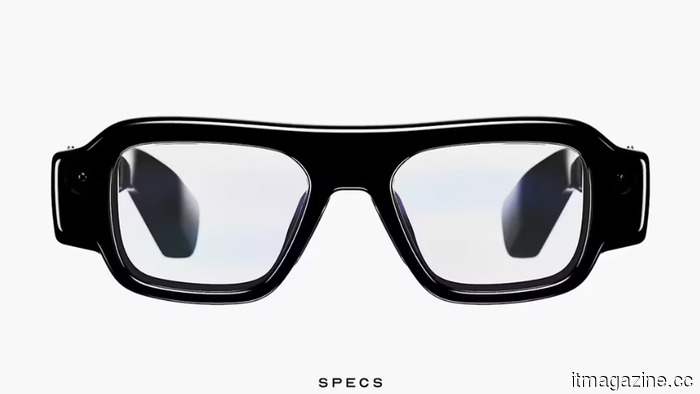
Snap introduces its AR glasses priced at $2,195 as a consumer item, putting the company's future on augmented reality.
Snap's Specs AR glasses are priced at $2,195, with preorders starting now for a $200 refundable deposit. They are set to ship in fall 2026 to the US, UK, and France. These self-contained glasses feature a 4-hour battery life and AI capabilities, distinguishing them from previous AR headsets that required additional equipment.
Snap introduced the consumer version of these glasses at the Augmented World Expo in Long Beach, California. The Specs run on dual Qualcomm Snapdragon processors—one for the operating system and apps, and the other for computer vision, although Snap hasn't shared the exact chipset models. They provide a 51-degree diagonal field of view with 16 million colors and an additional 20 hours of battery life when used with a charging case. Available in two sizes—47mm at 132 grams and 52mm at 136 grams—they are lighter than most over-ear headphones, albeit heavier than regular glasses.
Notably absent from the announcement are details about the display resolution, brightness, refresh rate, RAM, storage capacity, or camera specifications, leaving questions about the product's competitiveness. It's unclear if these omissions reflect uncompetitive specs or a strategic choice to avoid comparisons with competitors.
Snap is focusing on software as a key differentiator, introducing an AI assistant through collaborations with OpenAI and Google, which provides contextual information and real-time translations. A feature called EyeConnect allows for shared augmented reality experiences when two Specs users make eye contact, displaying collaborative content simultaneously.
The glasses have a privacy LED that lights up when recording, similar to Meta's Ray-Ban smart glasses, which faced criticism for their indicator light's visibility.
Specs Inc., a subsidiary of Snap created in January to protect the AR project from financial issues affecting the broader company, is behind the launch. The company has undergone significant downsizing, cutting around 1,000 employees in April, which is about 16% of its workforce, and has closed over 300 roles to save over $500 million annually.
Snap is not consistently profitable, with Q1 2026 advertising revenue increasing by only 3% compared to Meta's 33%. Additionally, a partnership with Perplexity AI intended to enhance Snapchat with AI search fell through before launch.
The $2,195 price poses a risk, especially considering Meta’s Ray-Ban smart glasses retail for around $350 and have sold over seven million units. Apple's Vision Pro is priced at $3,500 but functions as a spatial computing headset rather than traditional glasses. Google is working on Android XR smart glasses with partners like Samsung and Warby Parker, slated for a fall 2026 launch, although they are primarily audio-focused with no display details available.
Snap’s Specs fall into a tricky position: they are pricier than Meta’s offering but less advanced than Apple’s headset, entering a market where a leading competitor has a significant head start. Snap hopes consumers will be willing to invest in what it claims are lightweight, untethered AR glasses that incorporate AI and are designed for social interaction rather than isolation. The success ofSpecs Inc. will hinge on whether this pitch appeals beyond just developers and early adopters at the $2,195 price point. There are no disclosed sales targets or production numbers from Snap.
Other articles
 Google has launched Android 17 for Pixel smartphones.
Android 17 is being released on Pixel devices today, featuring Bubbles, creator tools, and enhancements in security, while Gemini Intelligence will arrive later this summer.
Google has launched Android 17 for Pixel smartphones.
Android 17 is being released on Pixel devices today, featuring Bubbles, creator tools, and enhancements in security, while Gemini Intelligence will arrive later this summer.
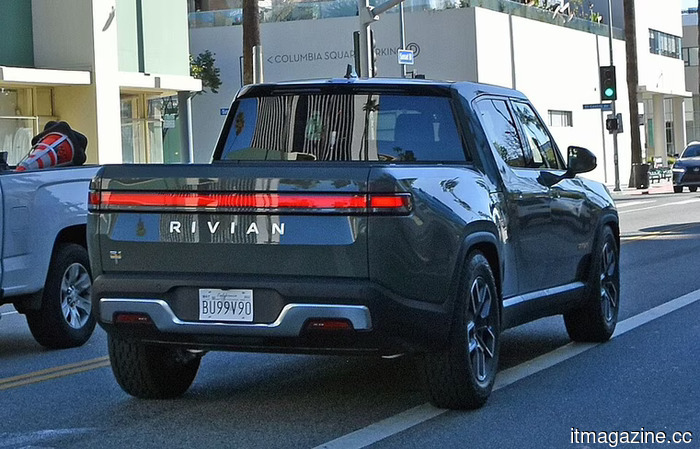 Rivian terminates hundreds of employees just a week after commencing R2 deliveries as it aims for its first profitability.
Rivian reduced its workforce in service and customer teams by under 2%, just a week after the start of R2 deliveries. In 2025, the company incurred a loss of $3.6 billion while delivering 42,247 vehicles.
Rivian terminates hundreds of employees just a week after commencing R2 deliveries as it aims for its first profitability.
Rivian reduced its workforce in service and customer teams by under 2%, just a week after the start of R2 deliveries. In 2025, the company incurred a loss of $3.6 billion while delivering 42,247 vehicles.
 A Czech AI startup claims it can identify drones through sound for €150 per sensor and aims to integrate this technology into power grids initially.
Neuron Soundware's Sound Shield employs AI-driven microphones that range in price from €100 to €150 each to acoustically identify drones, presenting a cost-effective alternative to radar technology.
A Czech AI startup claims it can identify drones through sound for €150 per sensor and aims to integrate this technology into power grids initially.
Neuron Soundware's Sound Shield employs AI-driven microphones that range in price from €100 to €150 each to acoustically identify drones, presenting a cost-effective alternative to radar technology.
 Alipay launches Abao, an AI-driven feature, putting it ahead in China's super app AI competition.
Alipay, the top mobile payment and super app platform in China, has introduced its AI-driven assistant Abao and has commenced invitation-only testing for users.
Alipay launches Abao, an AI-driven feature, putting it ahead in China's super app AI competition.
Alipay, the top mobile payment and super app platform in China, has introduced its AI-driven assistant Abao and has commenced invitation-only testing for users.
 Android 17 is set to enhance the gaming experience on foldable devices significantly.
Android 17 is reinforcing its commitment to mobile gaming by introducing a new layout that is compatible with foldable devices, options for customizable controller configurations, and enhancements designed to minimize stuttering.
Android 17 is set to enhance the gaming experience on foldable devices significantly.
Android 17 is reinforcing its commitment to mobile gaming by introducing a new layout that is compatible with foldable devices, options for customizable controller configurations, and enhancements designed to minimize stuttering.
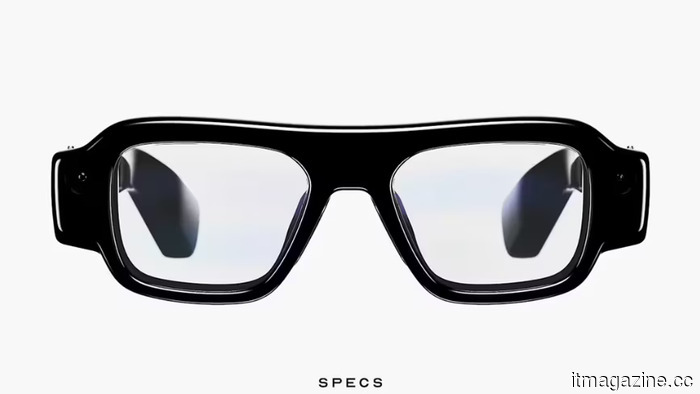 Snap has introduced its AR glasses priced at $2,195 as a consumer product, placing the company's bets on augmented reality.
Snap's Specs AR glasses are priced at $2,195 and will be shipped this fall. They feature a 4-hour battery life, a 51° field of view, and AI technology from OpenAI and Google. Preorders are available with a $200 deposit.
Snap has introduced its AR glasses priced at $2,195 as a consumer product, placing the company's bets on augmented reality.
Snap's Specs AR glasses are priced at $2,195 and will be shipped this fall. They feature a 4-hour battery life, a 51° field of view, and AI technology from OpenAI and Google. Preorders are available with a $200 deposit.
Snap introduces its AR glasses priced at $2,195 as a consumer item, putting the company's future on augmented reality.
Snap's Specs AR glasses are priced at $2,195 and will be shipped this fall. They feature a 4-hour battery life, a 51° field of view, and AI technology from OpenAI and Google. Preorders are available with a $200 deposit.