

Microsoft Edge will be receiving updates more regularly, but don’t anticipate additional features.
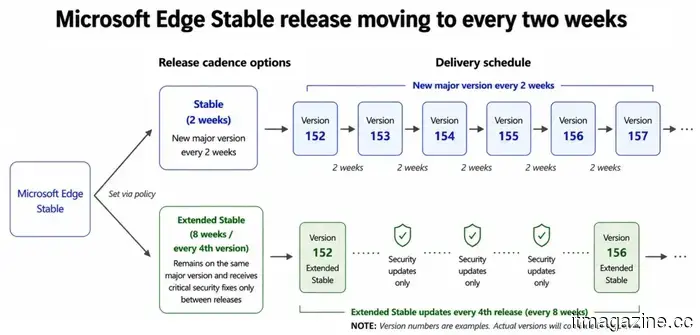
Beginning with Edge 152 on August 27, Microsoft is halving its release cycle, introducing smaller but more frequent updates for users on the Stable channel.
Microsoft is speeding up updates for its Edge browser, moving from a monthly release plan to a biweekly one. This change will start with Edge 152 on August 27 and aligns the browser's update schedule with that of Google Chrome.
More updates, not necessarily more features
This transition doesn’t imply that users will see double the new features. In a recent blog post, Microsoft clarified that each update in the new schedule will include approximately half the content of the current monthly updates, maintaining a roughly consistent overall volume of changes. For the majority of users, this means a more regular, smaller influx of updates rather than a sudden increase in new features.
Microsoft
Microsoft positioned this change as advantageous for both consumers and enterprise users, emphasizing that security and platform fixes will reach users more quickly, and that smaller sets of changes are more manageable for IT teams to validate prior to deployment.
Whom it affects and when
This new update rhythm is applicable to users on the standard Stable channel. Those using the Stable Extended channel, which caters to organizations that favor less frequent updates, will continue with the existing bi-monthly schedule.
Google Chrome implemented a two-week release cycle in March, and Edge’s adjustment narrows the gap between the two Chromium-based browsers. The biweekly schedule will begin with Edge 152 on August 27, allowing users and IT administrators a couple of months to adapt before the new timeline is implemented. For typical users, the switch should mostly go unnoticed, as automatic updates will simply occur more frequently, each with a smaller footprint than previously.
Pranob is an experienced tech journalist with over eight years of expertise in consumer technology reporting. His work has been…
Ugreen’s portable monitor is impressively sharp, stylish, and comes with a hefty price tag
Portable monitors have become essential tools for modern tech users. They accompany remote workers, enhance small laptop displays, and at times even serve as gaming screens in hotel rooms. Most follow a standard design: a basic Full HD display, a foldable cover, and a price below $250. Ugreen seems to have taken that standard and opted for something different.
The company's new AP16 portable monitor has officially arrived in the U.S., offering features reminiscent of a high-end desktop display rather than a device meant to fit in a backpack. The drawback is its price of $350, which places it above many competitors.
Read more
Windows 11 introduces an impressive upgrade allowing simultaneous streaming for two audio devices
Microsoft's new Shared Audio feature enables two users to listen from a single Windows 11 PC, although hardware support remains somewhat limited.
Microsoft is currently previewing Shared Audio for Windows 11, allowing one compatible PC to send the same audio to two wireless devices. This feature is tailored for situations like watching a movie on a plane, sharing music during study sessions, or listening together without passing around one pair of earbuds. Users will require Bluetooth LE Audio equipment, as older Bluetooth headphones lack the broadcast capability utilized by this feature.
Read more
What qualities make a laptop suitable for both work and entertainment?
This article is presented in collaboration with HP.
The HP OmniBook X Flip is designed as an all-day AI PC that transitions seamlessly from productivity tasks to entertainment without needing to switch devices.
Read more



Other articles
 UK under-16 social media prohibition: what Starmer is set to implement.
Keir Starmer is expected to reveal a ban on social media for individuals under 16 in the UK within a few days. The child-safety organizations that advocated for this measure warn that an all-encompassing ban might have negative consequences.
UK under-16 social media prohibition: what Starmer is set to implement.
Keir Starmer is expected to reveal a ban on social media for individuals under 16 in the UK within a few days. The child-safety organizations that advocated for this measure warn that an all-encompassing ban might have negative consequences.
 Founders Fund's investment in SpaceX has now surpassed a value of $50 billion.
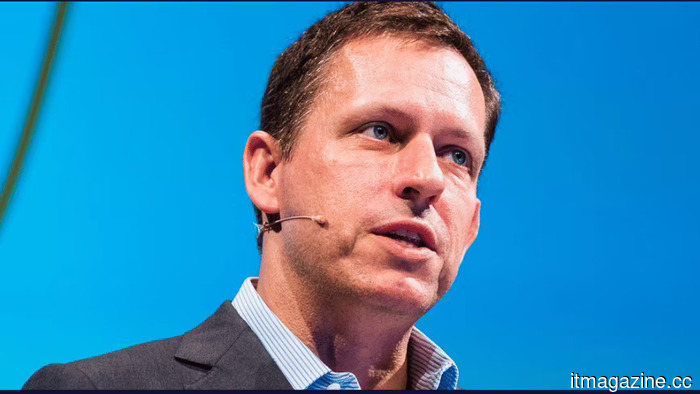
Founders Fund has invested approximately $600 million in SpaceX over almost two decades. Based on the IPO valuation, the value of Founders Fund's stake in SpaceX exceeds $50 billion, at least on paper.
Founders Fund's investment in SpaceX has now surpassed a value of $50 billion.
Founders Fund has invested approximately $600 million in SpaceX over almost two decades. Based on the IPO valuation, the value of Founders Fund's stake in SpaceX exceeds $50 billion, at least on paper.
 UK under-16 social media prohibition: what Starmer is preparing to implement
Keir Starmer is expected to declare a ban on social media for those under 16 in the UK within the coming days. The child-safety organizations that advocated for this measure warn that an outright ban might have unintended consequences.
UK under-16 social media prohibition: what Starmer is preparing to implement
Keir Starmer is expected to declare a ban on social media for those under 16 in the UK within the coming days. The child-safety organizations that advocated for this measure warn that an outright ban might have unintended consequences.
 Mistral is engaged in discussions regarding funding at a valuation of €20 billion.
According to Bloomberg, Mistral is currently in discussions to secure approximately €3 billion in funding at a valuation of around €20 billion, which is nearly double the price the European AI leader had in September.
Mistral is engaged in discussions regarding funding at a valuation of €20 billion.
According to Bloomberg, Mistral is currently in discussions to secure approximately €3 billion in funding at a valuation of around €20 billion, which is nearly double the price the European AI leader had in September.
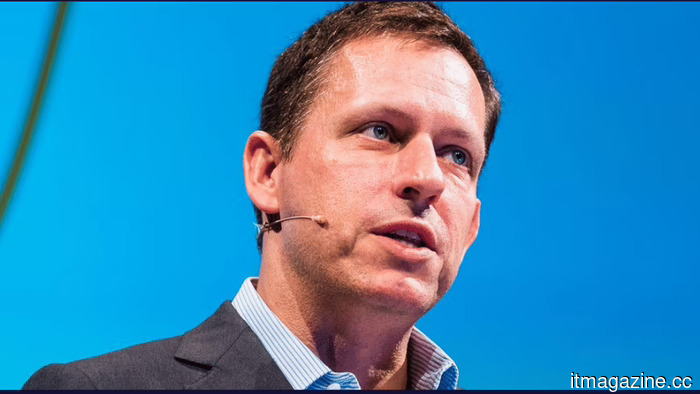 Founders Fund's investment in SpaceX is now valued at more than $50 billion.
Founders Fund has invested approximately $600 million in SpaceX over the course of nearly two decades. At the valuation associated with the IPO, the value of Founders Fund's stake in SpaceX is over $50 billion, theoretically.
Founders Fund's investment in SpaceX is now valued at more than $50 billion.
Founders Fund has invested approximately $600 million in SpaceX over the course of nearly two decades. At the valuation associated with the IPO, the value of Founders Fund's stake in SpaceX is over $50 billion, theoretically.
 Apollo Go's robotaxi has received Level 4 approval in Switzerland.
Baidu's Apollo Go robotaxi, through the AmiGo partnership with Swiss Post's PostBus, has been granted a Level 4 permit in Switzerland. Trials on open roads commenced on June 1.
Apollo Go's robotaxi has received Level 4 approval in Switzerland.
Baidu's Apollo Go robotaxi, through the AmiGo partnership with Swiss Post's PostBus, has been granted a Level 4 permit in Switzerland. Trials on open roads commenced on June 1.
Microsoft Edge will be receiving updates more regularly, but don’t anticipate additional features.
Microsoft is transitioning Edge to a biweekly update schedule beginning with Edge 152 on August 27, aligning with Chrome's release rhythm and providing users on the Stable channel with smaller, more regular updates.