
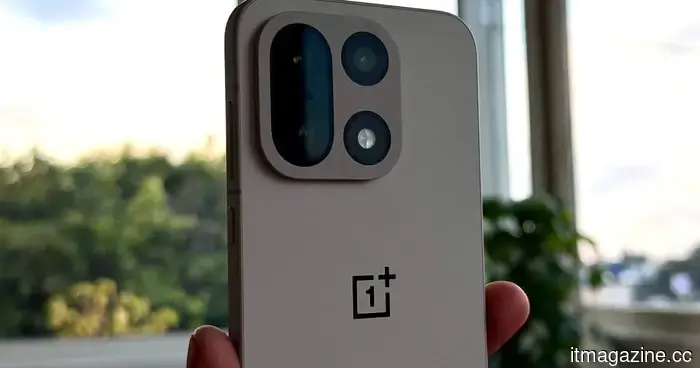
Smartphone displays are set to reach absurd refresh rate levels similar to those found on gaming monitors.
**OnePlus 15**
Nadeem Sarwar / Digital Trends
For years, smartphone manufacturers have been in a competition for brighter screens, slimmer bezels, and sharper resolutions. Now, it seems the next area of focus may be refresh rates — and things are getting rather extreme.
A recent leak indicates that OnePlus is considering a strategy that could eventually introduce 240Hz OLED displays to its flagship devices. This frequency is usually seen in gaming monitors, not in gadgets primarily used for scrolling through social media and watching YouTube. According to tipster Digital Chat Station, OnePlus is contemplating a gradual increase from 165Hz and 185Hz panels before eventually reaching 240Hz in future models.
The competition for refresh rates is intensifying.
Currently, most flagship smartphones operate at a maximum of 120Hz, which already offers a remarkably smooth experience for everyday tasks. Animations are seamless, scrolling is quick, and games that support high frame rates appear noticeably improved. However, OnePlus seems keen on exceeding what most users would deem necessary.
Recent speculation around the upcoming OnePlus 16 suggests a transition from 165Hz to 185Hz while maintaining the company's preferred 1.5K display resolution. This indicates that OnePlus may be prioritizing refresh rate over pixel density, at least for the moment. The appeal is clear; higher refresh rates can enhance the responsiveness of supported games, particularly in fast-paced shooters and racing games. However, the advantages become harder to perceive as the numbers rise.
The actual challenge lies in managing battery life.
Achieving 240Hz is one aspect; doing so without severely impacting battery life is another. This is likely why OnePlus reportedly continues to favor 1.5K screens over crisper 2K displays. Merging ultra-high refresh rates with increased resolutions requires more power, stronger processing capabilities, and enhanced thermal management.
Qualcomm
The company may consider 2K displays in the future, but only if display technology improves sufficiently to prevent major trade-offs. For now, the anticipated OnePlus 16 is expected to launch later this year, featuring Qualcomm’s Snapdragon 8 Elite Gen 6 chip and a larger silicon-carbon battery, both of which could aid in supporting more intense display hardware. Whether a 240Hz smartphone screen is genuinely necessary remains an open question. However, if the leak holds true, OnePlus appears committed to exploring this possibility.
Shimul is a contributor at Digital Trends, with more than five years of experience in the technology sector.
**Samsung could skip a charging upgrade on the upcoming Galaxy Z Flip 8, once again**
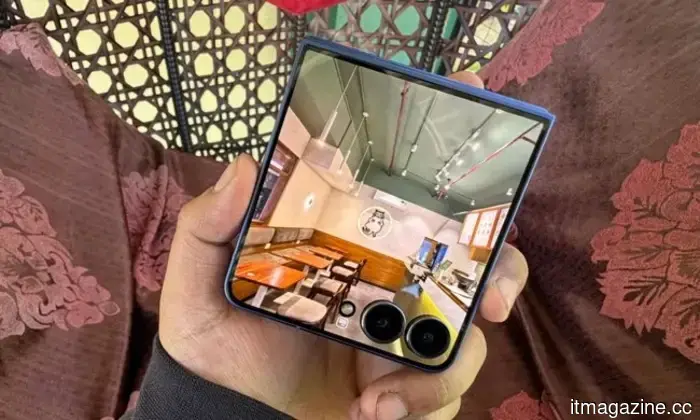
The Galaxy Z Flip 8 might fold in half before it enhances its charging speed.
Samsung's next clamshell foldable could come with a familiar disappointment. New reports indicate that the forthcoming Galaxy Z Flip 8 may retain the same 25W wired charging speed as its predecessor, continuing a trend that has persisted over several generations.
Recent leaks suggest that Samsung plans to keep both the charging speed and battery capacity largely the same on the Galaxy Z Flip 8. If these reports are accurate, the device will continue to feature a 4,300mAh battery paired with 25W wired charging—specifications that are becoming increasingly hard to defend as competitors advance well beyond them.
**Read more**
**Google Meet’s AI note-taker now allows customization of meeting notes and decision tracking**
Google Meet has made it simpler to follow up on meeting outcomes.
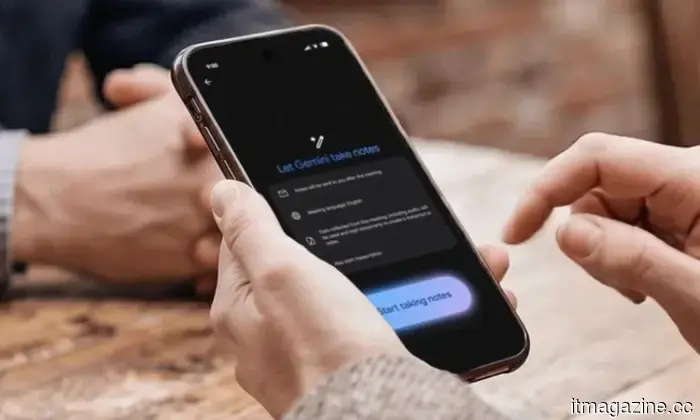
If you’ve ever participated in a Google Meet call and later found it difficult to recall what was decided, Google has improved your experience. The company has introduced a significant upgrade to its “Take notes for me" feature, providing greater control over the content captured and facilitating easier tracking of decisions after the meeting concludes.
**Read more**
**iOS 27 may alter how your muscle memory interacts with notifications on a phone**
Apple is reportedly working on a potentially transformative change to the notifications system in iOS 27 and iPadOS 27.
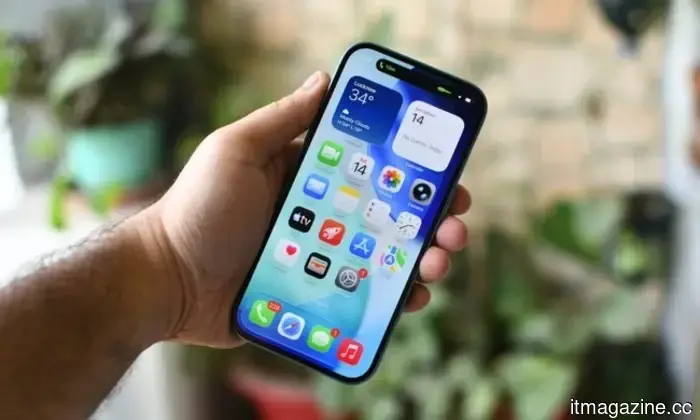
According to Bloomberg’s Mark Gurman, incoming notifications now slide in from the left side of the display in internal versions of the software. While this may initially seem like a simple visual change, it appears to be part of a broader reevaluation of navigation gestures — one that could require long-time iPhone users to adjust their established muscle memory.

Other articles
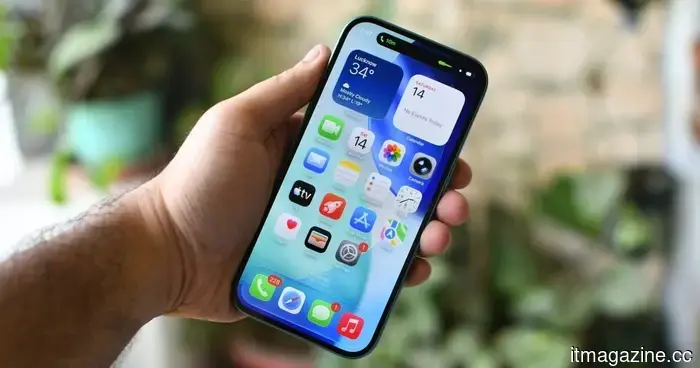 iOS 27 may alter the way your muscle memory interacts with swiping notifications on a phone.
One of the minor rumored updates in iOS 27 may turn out to be quite significant. If accurate, Apple might be prompting millions of users to adapt to a swipe gesture they have been using for years.
iOS 27 may alter the way your muscle memory interacts with swiping notifications on a phone.
One of the minor rumored updates in iOS 27 may turn out to be quite significant. If accurate, Apple might be prompting millions of users to adapt to a swipe gesture they have been using for years.
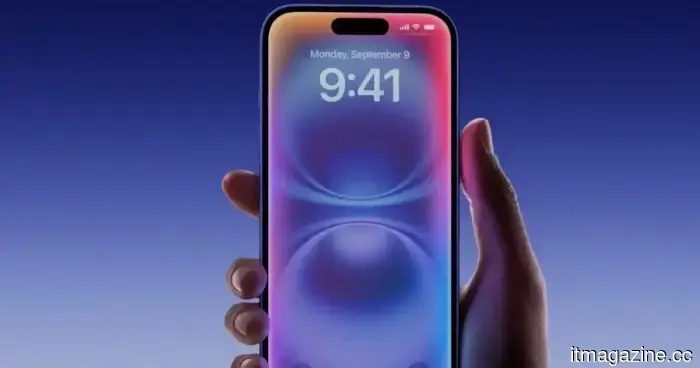 The next-generation Siri in iOS 27 may initially launch as a beta experience in its early stages.
The upcoming version of Siri from Apple may debut with iOS 27, but a recent report indicates that users might initially receive an incomplete version. It seems Apple intends to approach the assistant as an ongoing test rather than a finalized product.
The next-generation Siri in iOS 27 may initially launch as a beta experience in its early stages.
The upcoming version of Siri from Apple may debut with iOS 27, but a recent report indicates that users might initially receive an incomplete version. It seems Apple intends to approach the assistant as an ongoing test rather than a finalized product.
 Google simplifies the process of keeping track of your favorite personalities' activities on social media.
Google is offering creators a new platform in Search, which may alter how you follow your favorite online figures. This update introduces a novel method to find content without constantly switching between different apps.
Google simplifies the process of keeping track of your favorite personalities' activities on social media.
Google is offering creators a new platform in Search, which may alter how you follow your favorite online figures. This update introduces a novel method to find content without constantly switching between different apps.
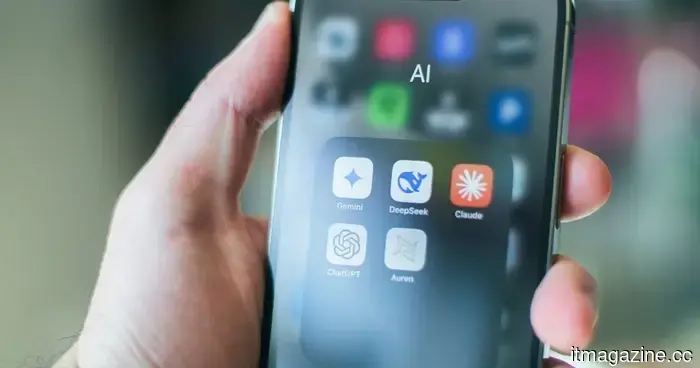 It appears that educating small AI models using games like Battleship can significantly enhance their intelligence.
Researchers at MIT conducted a Battleship-style experiment to demonstrate that smaller AI models can enhance their performance by formulating more precise questions, which could increase the utility of less expensive AI agents without depending on larger systems.
It appears that educating small AI models using games like Battleship can significantly enhance their intelligence.
Researchers at MIT conducted a Battleship-style experiment to demonstrate that smaller AI models can enhance their performance by formulating more precise questions, which could increase the utility of less expensive AI agents without depending on larger systems.
 Snap issued alerts to students during class time, fully aware of the potential for distraction.
Internal documents from lawsuits involving over 1,400 school districts show that Meta, Snap, TikTok, and YouTube intentionally targeted students, including during school hours.
Snap issued alerts to students during class time, fully aware of the potential for distraction.
Internal documents from lawsuits involving over 1,400 school districts show that Meta, Snap, TikTok, and YouTube intentionally targeted students, including during school hours.
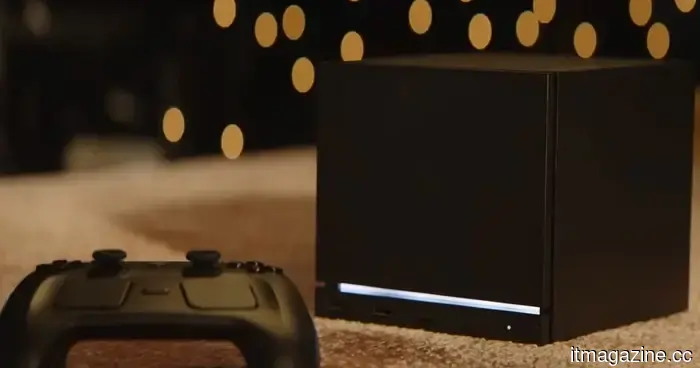 The Steam Machine has been confirmed to arrive this summer, but we still lack information regarding its price.
Valve has announced that Steam Machine will be released this summer, but the price has yet to be disclosed. The newly introduced Verified program assists in clarifying game compatibility, as potential buyers await additional information that will influence their upgrade choices.
The Steam Machine has been confirmed to arrive this summer, but we still lack information regarding its price.
Valve has announced that Steam Machine will be released this summer, but the price has yet to be disclosed. The newly introduced Verified program assists in clarifying game compatibility, as potential buyers await additional information that will influence their upgrade choices.
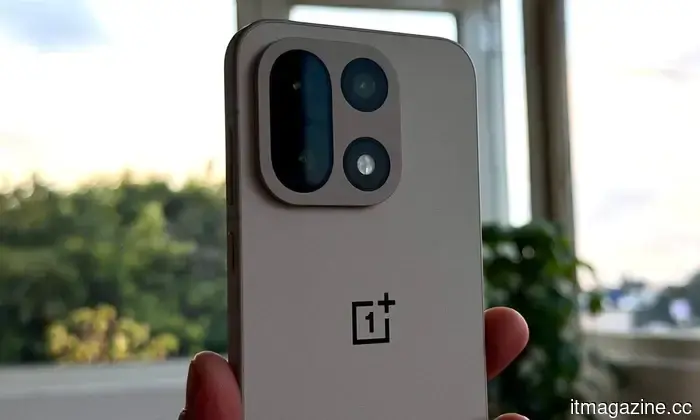
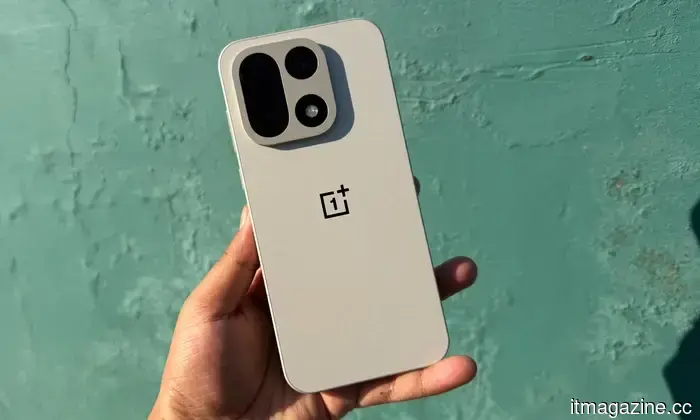
Smartphone displays are set to reach absurd refresh rate levels similar to those found on gaming monitors.
A 120Hz refresh rate used to seem excessive for a smartphone. However, a recent leak indicates that OnePlus may be pursuing refresh rates that seem more suitable for a gaming monitor than for a mobile device.