
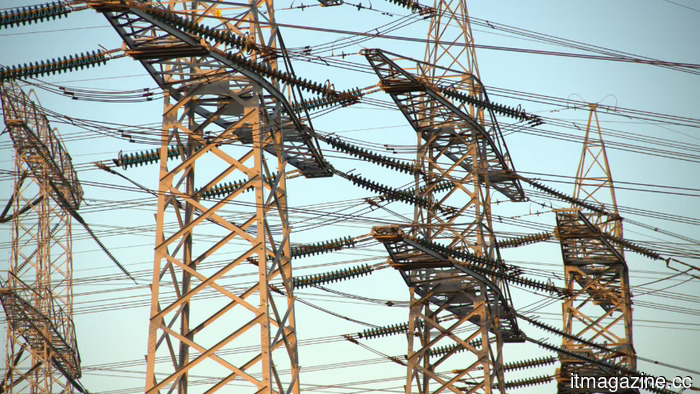
The EU urges households to reduce their electricity consumption as AI data centers put pressure on the power grids.
**Summary:** The European Commission is urging households to reduce peak electricity usage due to the pressure from AI data centres on power grids. They have also released a Data Centre Energy Efficiency Package that includes performance ratings and minimum standards. Currently, data centres in Ireland account for 22% of the country's electricity usage, with projected regional electricity bill increases of 20-40%.
The European Commission has requested households in the EU to lessen their electricity consumption during peak times, attributing this need to the rapid expansion of AI data centres, increased electrification, and a rising demand for digital infrastructure, all of which are putting a strain on European power grids. On June 3, the Commission unveiled the Data Centre Energy Efficiency Package, which introduces a rating system for data centres across Europe, evaluates data submitted through existing reporting, and begins work on establishing minimum performance standards.
The communication to consumers is complex: Europe is hastily developing AI infrastructure to keep pace with the US and China, yet the electricity needed for this infrastructure is directly competing with household energy demands. Utility companies in the US are set to invest $1.4 trillion by 2030 for grid enhancements to meet the electricity needs driven by AI, and Europe is facing similar challenges with its tighter grid capacity and rising baseline energy prices.
**Ireland as a Case Study:**
Ireland exemplifies the consequences of data centre expansion outpacing investment in grid infrastructure. Data centres now account for over 22% of Ireland’s total electricity consumption, representing the highest per capita share globally. Dublin has already denied Google’s request to construct a new data centre, citing an inadequate grid capacity and insufficient on-site renewable energy resources.
The repercussions for household energy bills are significant. Studies suggest that rapid growth of data centres could lead to regional electricity cost increases of 20% to 40% in areas dense with digital infrastructure, such as Slough in the UK and Paris in France. For consumers already grappling with elevated energy prices from the post-pandemic recovery and ongoing effects of the European energy crisis, the possibility of additional price hikes due to AI infrastructure is a politically charged issue.
**The Commission’s Approach:**
The Data Centre Energy Efficiency Package aims to tackle the demand aspect of the situation. The proposed rating scheme is intended to enhance transparency regarding the energy performance of individual facilities, facilitating distinctions between efficient and inefficient operators. Once implemented, the minimum performance standards will establish a baseline that data centres in the EU must meet.
Additionally, the Commission has released a Strategic Roadmap for Digitalisation and AI in energy, advocating that digital solutions could assist consumers in shifting their usage to off-peak times when electricity is more affordable. While various innovative ideas have emerged to address AI’s energy challenges, such as orbital data centres and small modular nuclear reactors, the immediate focus remains on managing demand from both consumers and data centres to encourage lower usage during peak times and promote energy efficiency.
**Political Dilemmas:**
The current situation presents a contradiction within EU technology policy. The EU’s AI gigafactory initiative envisions five data centres each consuming one gigawatt of power, sufficient for over 700,000 homes. Simultaneously urging households to conserve electricity while developing this infrastructure necessitates a political narrative that many member states have yet to devise.
European energy prices are already higher than those in the US, contributing to a structural cost disadvantage for European AI companies compared to American hyperscale firms. Increased data centre demand on inadequately expanding grids will raise costs for all, including households whose tax contributions support the EU’s AI initiatives.
The Commission's efficiency standards and rating systems are sensible policy measures, yet they only target symptoms rather than addressing the core issue: Europe lacks sufficient electricity generation and grid capacity to decarbonise, electrify transport and heating, and power the AI infrastructure required for global competitiveness. Until this capacity shortfall is resolved, tensions between AI ambitions and household energy costs will continue to escalate.
Other articles
 Google has announced that Nest cameras are now capable of recognizing and following your pets at home.
Google's Pet Memory feature enables compatible Nest cameras to recognize pets by their names; however, the backlash from Ring's Search Party highlights the privacy concerns associated with AI pet recognition.
Google has announced that Nest cameras are now capable of recognizing and following your pets at home.
Google's Pet Memory feature enables compatible Nest cameras to recognize pets by their names; however, the backlash from Ring's Search Party highlights the privacy concerns associated with AI pet recognition.
 Virtual invaders at the threshold: protecting the AI blind spot.
AI-driven applications create attack surfaces that conventional security tools overlook. XBOW suggests that ongoing agentic testing, in which AI combats AI, is the adaptive strategy that security teams require at present.
Virtual invaders at the threshold: protecting the AI blind spot.
AI-driven applications create attack surfaces that conventional security tools overlook. XBOW suggests that ongoing agentic testing, in which AI combats AI, is the adaptive strategy that security teams require at present.
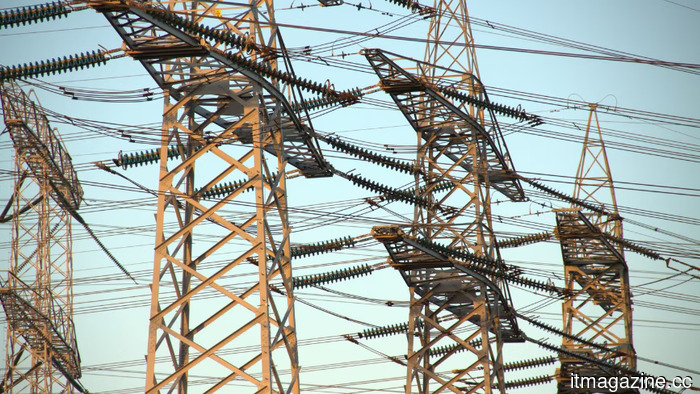 The EU is urging households to reduce their power consumption due to the pressure that AI data centers are placing on the power grids.
The European Commission urges households to cut down on peak electricity usage as AI data centers put pressure on the power grids. In Ireland, these facilities account for 22% of the country's electricity consumption, leading to anticipated increases in bills.
The EU is urging households to reduce their power consumption due to the pressure that AI data centers are placing on the power grids.
The European Commission urges households to cut down on peak electricity usage as AI data centers put pressure on the power grids. In Ireland, these facilities account for 22% of the country's electricity consumption, leading to anticipated increases in bills.
The EU urges households to reduce their electricity consumption as AI data centers put pressure on the power grids.
The European Commission urges households to cut down on electricity usage during peak times as data centers powered by AI put pressure on power grids. In Ireland, these facilities account for 22% of the country's electricity consumption, and costs are expected to increase.