
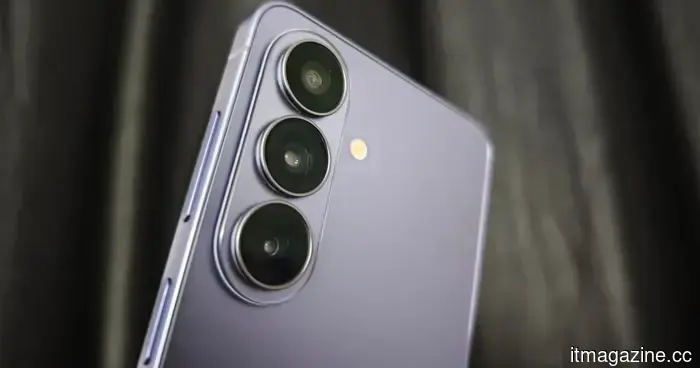
Samsung's Exynos 2800 chip may confine more AI tasks to upcoming Galaxy S smartphones.
Your Galaxy flagship might receive new software, but not all AI enhancements.
Prominent smartphone manufacturers are competing to transform devices into capable AI assistants that can perform more than just respond to queries. Google showcased their vision for this future at a recent Android event, and Samsung is following suit with its Galaxy AI initiative. A recent leak indicates that Samsung could be considering a hardware upgrade that may enable future Galaxy phones to handle more AI tasks internally.
This concept appears beneficial in theory. Increased on-device AI could lead to quicker responses, enhanced privacy, and fewer features relying on cloud access. However, there could be drawbacks. If Samsung connects its upcoming AI tools to newer Exynos hardware, some features might remain exclusive to future phones, like the Galaxy S28 series, while recent flagships could receive a pared-down version of the same software experience.
What could Samsung be developing for Exynos?
Insider Jukan on X suggests that Samsung is working on a hardware upgrade named Multi Stacked FOWLP, which might enhance the AI task management capabilities of future Exynos chips. In essence, it merges Samsung’s vertical memory stacking technique with fan-out wafer-level packaging, potentially bringing memory closer to the main chip and accelerating data transfer between them.
On-device AI functionalities need to swiftly process substantial amounts of data. Improved memory access could facilitate smoother operation of features like image editing, real-time translations, summaries, and assistant-like functions without excessive reliance on cloud services.
This upgrade could be introduced as soon as the Exynos 2800, though the Exynos 2900 is also a possibility. Given that the Galaxy S27 series is anticipated to feature the Exynos 2700 in certain markets, the Galaxy S28 or S29 series may likely incorporate this high-bandwidth memory setup.
Could older Galaxy phones miss out again?
Enhanced on-device AI hardware might give Samsung a reason to restrict some features to newer Galaxy models. Certain tools might genuinely require faster memory or better AI processing to perform effectively. Others, however, could merely serve to distinguish the latest flagships from phones that are merely one or two years old.
Samsung has already demonstrated this tendency with the recent One UI 8.5 update. While Galaxy S25 users received the update, several anticipated features for the Galaxy S26 were not included.
Should Samsung pursue this strategy, Galaxy AI could become a significant incentive for earlier upgrades. Although long software support may keep older flagships secure and functional, it may not ensure access to every significant feature available on future Galaxy devices.
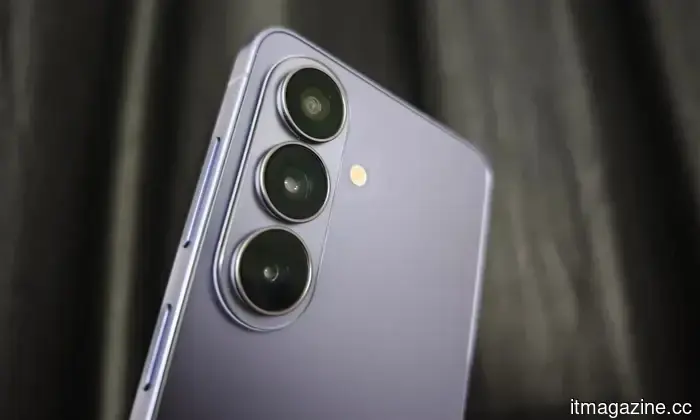





Other articles
 Microsoft is discontinuing the Together Mode in Teams to introduce a cleaner and more streamlined alternative.
Microsoft Teams is discontinuing Together Mode and is introducing simpler meeting layouts intended to enhance the experience of video calls, presentations, and screen sharing for better clarity.
Microsoft is discontinuing the Together Mode in Teams to introduce a cleaner and more streamlined alternative.
Microsoft Teams is discontinuing Together Mode and is introducing simpler meeting layouts intended to enhance the experience of video calls, presentations, and screen sharing for better clarity.
 Microsoft is discontinuing the Together Mode in Teams to promote a more streamlined and straightforward option.
Microsoft Teams is discontinuing Together Mode and will introduce more straightforward meeting layouts aimed at enhancing the clarity of video calls, presentations, and screen sharing.
Microsoft is discontinuing the Together Mode in Teams to promote a more streamlined and straightforward option.
Microsoft Teams is discontinuing Together Mode and will introduce more straightforward meeting layouts aimed at enhancing the clarity of video calls, presentations, and screen sharing.
 Google's Gemini may be implementing weekly restrictions, which free users are likely to dislike.
Google may be stealthily experimenting with tighter usage restrictions within Gemini, potentially altering the perception of “free” AI tools in the future. A recently discovered screenshot suggests a scenario where unrestricted access to chatbots could soon have conditions attached.
Google's Gemini may be implementing weekly restrictions, which free users are likely to dislike.
Google may be stealthily experimenting with tighter usage restrictions within Gemini, potentially altering the perception of “free” AI tools in the future. A recently discovered screenshot suggests a scenario where unrestricted access to chatbots could soon have conditions attached.
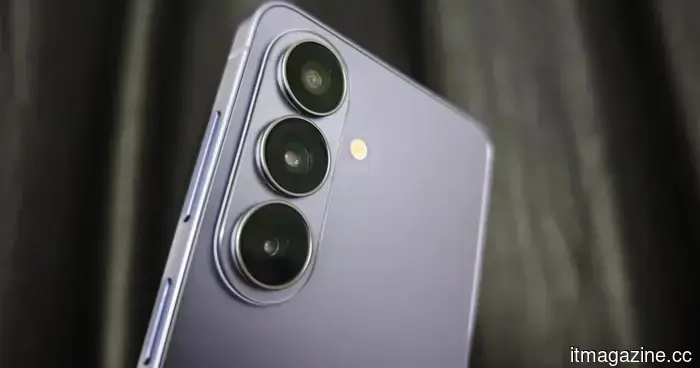 Samsung's Exynos 2800 chip may retain a greater number of AI tasks limited to upcoming Galaxy S smartphones.
Samsung's upcoming chip enhancement might enable future Galaxy smartphones to perform more AI functions directly on the device, but it could also exclude older flagship models from accessing the most advanced Galaxy AI features.
Samsung's Exynos 2800 chip may retain a greater number of AI tasks limited to upcoming Galaxy S smartphones.
Samsung's upcoming chip enhancement might enable future Galaxy smartphones to perform more AI functions directly on the device, but it could also exclude older flagship models from accessing the most advanced Galaxy AI features.
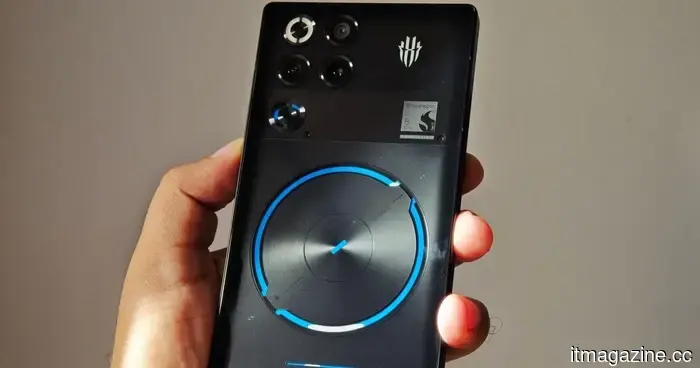 The newest gaming phone from Red Magic appears as though it has emerged from an esports laboratory.
Certain smartphones feature impressive cameras, while others prioritize an ultra-slim design. The latest from Red Magic appears ready to initiate a competitive match the moment you interact with it. The Red Magic 11S Pro series has officially debuted in China, celebrating the brand's eighth anniversary with two devices that are distinctly aimed at gamers. The series […]
The newest gaming phone from Red Magic appears as though it has emerged from an esports laboratory.
Certain smartphones feature impressive cameras, while others prioritize an ultra-slim design. The latest from Red Magic appears ready to initiate a competitive match the moment you interact with it. The Red Magic 11S Pro series has officially debuted in China, celebrating the brand's eighth anniversary with two devices that are distinctly aimed at gamers. The series […]
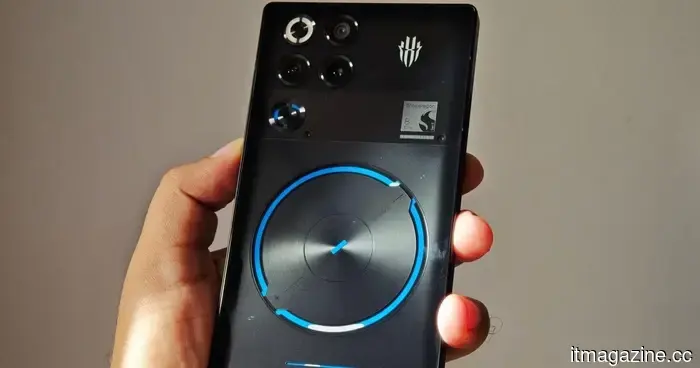 Red Magic's newest gaming smartphone appears as though it has emerged from an esports laboratory.
Certain smartphones boast excellent cameras, while others prioritize an ultra-slim design. The latest offering from Red Magic seems ready to initiate a ranked match as soon as you pick it up. The Red Magic 11S Pro series has been officially unveiled in China, celebrating the brand’s eighth anniversary with two phones that are unmistakably geared towards gaming. The lineup [...]
Red Magic's newest gaming smartphone appears as though it has emerged from an esports laboratory.
Certain smartphones boast excellent cameras, while others prioritize an ultra-slim design. The latest offering from Red Magic seems ready to initiate a ranked match as soon as you pick it up. The Red Magic 11S Pro series has been officially unveiled in China, celebrating the brand’s eighth anniversary with two phones that are unmistakably geared towards gaming. The lineup [...]
Samsung's Exynos 2800 chip may confine more AI tasks to upcoming Galaxy S smartphones.
Samsung's upcoming chip enhancement may enable future Galaxy smartphones to perform more AI tasks directly on the device, but it could also prevent older flagship models from accessing the most advanced Galaxy AI features.