
Google I/O 2026: Anticipations for Gemini, Android 17, and additional updates
Google is set to launch its annual developer conference, Google I/O 2026, with a strong emphasis on artificial intelligence, Android 17, and the future of Google's ecosystem. The event will kick off on May 19 at the Shoreline Amphitheatre in Mountain View, California, with CEO Sundar Pichai anticipated to lead the keynote speech. The conference will be streamed live worldwide via Google’s official I/O website and YouTube channels.
Typically centered on developers, this year's Google I/O announcements are expected to have a direct impact on everyday users using Android devices, Search, Chrome, Workspace, and smart home gadgets.
AI as the focal point of Google's strategy
The major highlight anticipated at Google I/O 2026 is Gemini AI. Over the past year, Google has been incorporating Gemini into various products such as Gmail, Search, Android, and Workspace, and this event may illustrate how extensively the company intends to integrate AI throughout its ecosystem.
A key announcement to watch for is the advancement of Gemini Intelligence within Android 17. Reports indicate that Android is transitioning from a conventional operating system to a more context-aware AI platform capable of automating tasks, generating widgets, managing voice interactions, and proactively assisting users in various applications.
Google is also expected to share more details about "Gemini Omni," a speculative AI model aimed at sophisticated video generation and editing, which could place Google in more direct competition with OpenAI's Sora and Adobe's generative AI offerings.
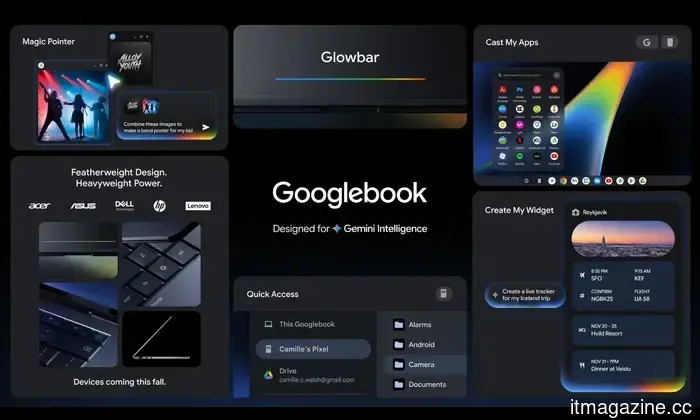
Beyond smartphones, AI could also transform Google's ambitions in the laptop market. Multiple reports suggest that Google may officially introduce “Googlebook,” a new AI-centric laptop platform intended to eventually replace Chromebooks. These devices are anticipated to merge elements of Android and ChromeOS while incorporating Gemini AI features into the overall user experience.
Focus on Android 17 and XR
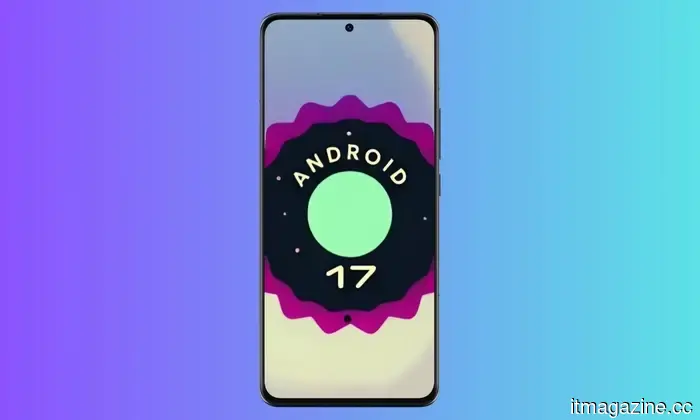
Android 17 is likely to feature several enhancements centered on personalization, multitasking, and AI-driven functionalities. Leaks and previews have indicated redesigned widgets, improved voice input, new digital well-being tools, and updates for Android Auto.
Google may also demonstrate advancements in Android XR, its augmented and mixed reality platform. With the rise of smart glasses and AI wearables across the tech sector, particularly with initiatives from Meta, Apple, and Samsung, Google had previously hinted at Android XR hardware, and I/O 2026 could clarify the company's long-term plans.
Significance of the event
Google I/O 2026 comes at a pivotal time for the company. The AI competition has intensified significantly over the past two years, with OpenAI, Microsoft, Apple, and Meta all vying to shape consumer interactions with AI technologies.
For Google, this event represents more than just the introduction of new software features; it aims to demonstrate that Gemini can serve as the cornerstone of Google’s future offerings, rather than being merely an auxiliary assistant incorporated into existing services.
Additionally, the company is facing increasing scrutiny regarding AI-generated search summaries, the risks of misinformation, and the wider effects AI may have on publishers and the web landscape.
Looking ahead
Google I/O 2026 is set to commence on May 19, with announcements expected regarding Android, Gemini AI, XR devices, Search, Workspace, and possibly new hardware categories.
If the leaks and reports hold true, this year's conference could signify Google's most significant move toward an AI-first ecosystem—where Android, laptops, search, and productivity tools are all centered around Gemini.
Other articles
 PlayStation Plus is increasing in price just as everyone is returning.
Sony's recent increase in PS Plus pricing affects monthly and three-month subscribers, just ahead of the anticipated release of GTA 6, which is likely to draw a surge of players back to online multiplayer.
PlayStation Plus is increasing in price just as everyone is returning.
Sony's recent increase in PS Plus pricing affects monthly and three-month subscribers, just ahead of the anticipated release of GTA 6, which is likely to draw a surge of players back to online multiplayer.
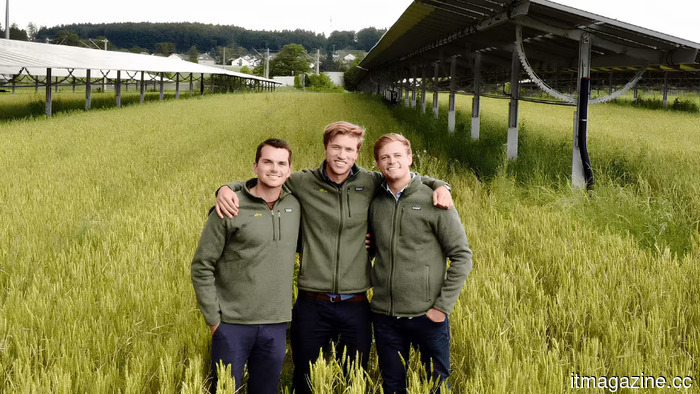 Feldwerke secures a €12M revolving credit line to support a 100 MW agri-PV rollout.
Feldwerke, an agri-PV developer located in Munich, has obtained a €12 million revolving credit facility to construct 100 MW of agricultural-photovoltaic capacity within the coming 18 months from its 250 MW project pipeline.
Feldwerke secures a €12M revolving credit line to support a 100 MW agri-PV rollout.
Feldwerke, an agri-PV developer located in Munich, has obtained a €12 million revolving credit facility to construct 100 MW of agricultural-photovoltaic capacity within the coming 18 months from its 250 MW project pipeline.
 Hypershell secures an additional $50 million in a $120 million Series B round as consumer exoskeletons move beyond their niche market.
Hypershell has secured $50 million in a Series B+ funding round co-led by Ant Group and Meituan Dragonball, with participation from Sofina and Granite Asia. The total funding for the Series B round now amounts to $120 million, reaching a valuation of nearly $400 million ahead of the X-Series launch on Wednesday.
Hypershell secures an additional $50 million in a $120 million Series B round as consumer exoskeletons move beyond their niche market.
Hypershell has secured $50 million in a Series B+ funding round co-led by Ant Group and Meituan Dragonball, with participation from Sofina and Granite Asia. The total funding for the Series B round now amounts to $120 million, reaching a valuation of nearly $400 million ahead of the X-Series launch on Wednesday.
 Hypershell secures an additional $50 million in a $120 million Series B round as consumer exoskeletons move beyond a niche market.
Hypershell has secured $50 million in a Series B+ round co-led by Ant Group and Meituan Dragonball, with Sofina and Granite Asia participating as well. The total funding for the Series B has reached $120 million, valuing the company at nearly $400 million ahead of the X-Series launch on Wednesday.
Hypershell secures an additional $50 million in a $120 million Series B round as consumer exoskeletons move beyond a niche market.
Hypershell has secured $50 million in a Series B+ round co-led by Ant Group and Meituan Dragonball, with Sofina and Granite Asia participating as well. The total funding for the Series B has reached $120 million, valuing the company at nearly $400 million ahead of the X-Series launch on Wednesday.
 The Apple Watch may soon introduce a new feature for sensing blood pressure.
The Apple Watch currently alerts users regarding potential hypertension, but Apple could be developing a more sophisticated blood pressure function for its upcoming premium model.
The Apple Watch may soon introduce a new feature for sensing blood pressure.
The Apple Watch currently alerts users regarding potential hypertension, but Apple could be developing a more sophisticated blood pressure function for its upcoming premium model.
 Hypershell raises an additional $50M in its $120M Series B round as consumer exoskeletons move beyond niche markets.
Hypershell has secured $50 million in a Series B+ round co-led by Ant Group and Meituan Dragonball, with participation from Sofina and Granite Asia. The total funding for the Series B round now amounts to $120 million, with a valuation close to $400 million, just before the launch of the X-Series on Wednesday.
Hypershell raises an additional $50M in its $120M Series B round as consumer exoskeletons move beyond niche markets.
Hypershell has secured $50 million in a Series B+ round co-led by Ant Group and Meituan Dragonball, with participation from Sofina and Granite Asia. The total funding for the Series B round now amounts to $120 million, with a valuation close to $400 million, just before the launch of the X-Series on Wednesday.
Google I/O 2026: Anticipations for Gemini, Android 17, and additional updates
Google I/O 2026 is anticipated to emphasize Gemini AI, Android 17, smart devices, and Google's overall transition to an AI-first ecosystem.