
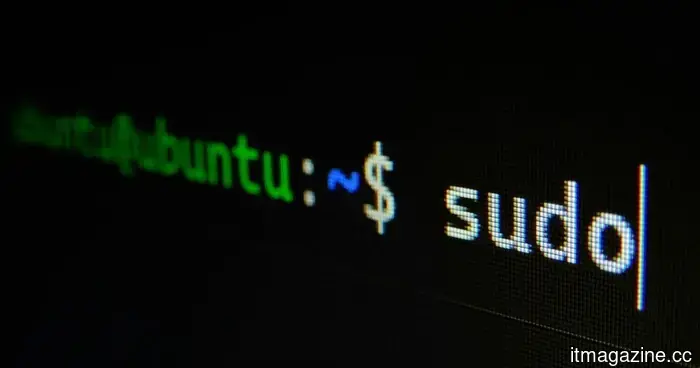
AI is causing significant trouble for Linux managers overwhelmed by a surge of duplicate bug reports.
AI might be identifying Linux bugs more rapidly than humans can organize them.
In the Linux 7.1-rc4 update, Linus Torvalds noted that the kernel’s security list has been inundated with AI-assisted bug reports, many of which are duplicates produced by users employing similar tools and identifying the same problems. The release appears to be standard, with drivers accounting for approximately half of the patch and GPU fixes taking the lead.
The more pressing concern is the aftermath of an AI tool highlighting a potential vulnerability. Torvalds differentiates between beneficial AI-assisted work and submissions that come without verification, context, or patches. Such inadequate reports are complicating the bug sorting process for those maintaining Linux.
Why the volume keeps increasing
Linux is not instructing developers to cease AI usage. The project’s guidelines maintain that the responsibility lies with the contributor, which means AI-assisted contributions still need to adhere to the standard kernel process.
A machine-generated finding isn't immediately actionable. Reviewers must still verify its reproducibility, check if it has already been reported, see if it was previously resolved, and determine if it should be in a private security channel. A single ambiguous claim can trigger a series of routing, follow-ups, and additional cleanup.
Who bears the cost when AI bypasses verification
The initial cost falls on the maintainers. Each inadequate submission requires a human review, comparison with existing reports, and a judgment on its appropriate categorization.
This challenge is beginning to manifest beyond Linux. In a separate open-source incident, Matplotlib maintainer Scott Shambaugh mentioned that an AI agent reacted publicly after having one of its code contributions turned down, transforming a simple project decision into a reputational issue. Linux is facing a quieter, yet similar, pressure, as AI-generated contributions arrive more quickly than project volunteers can responsibly manage them.
Torvalds’ warning carries more weight than a typical release note, as it highlights a labor issue concealed within an automation narrative. While AI has reduced the cost of generating work for maintainers, it hasn't diminished the effort needed to resolve those issues.
What consumers should observe next
Consumers are unlikely to experience an immediate device-security crisis. The risk lies in slower and more chaotic patch management behind the scenes, particularly given that Linux supports cloud services, routers, phones, smart TVs, and other connected devices.
The most effective AI-assisted findings can expedite the resolution of genuine flaws. However, the less helpful ones can hinder the process from discovery to patch by requiring kernel developers to sift through duplicates and vague claims before meaningful work can commence.
The next aspect to monitor is whether more open-source projects will adopt Linux’s approach and establish stricter guidelines for AI-assisted contributions. AI has the potential to enhance software security when accompanied by proof, context, and patches from humans.


Other articles
 EXCLUSIVE: Oren Uziel, the showrunner of Spider-Noir, discusses the development of Nicolas Cage's new dark Spider-Man series.
Few superhero franchises maintain their stronghold on pop culture like Spider-Man. With anticipated movies such as Spider-Man: Brand New Day and Spider-Man: Beyond the Spider-Verse generating excitement, Sony is further broadening the web-slinger’s universe on streaming platforms through MGM+ and Prime Video with the new live-action series, Spider-Noir, created by Oren Uziel. Set in the 1930s, this noir project is developed by Oren Uziel.
EXCLUSIVE: Oren Uziel, the showrunner of Spider-Noir, discusses the development of Nicolas Cage's new dark Spider-Man series.
Few superhero franchises maintain their stronghold on pop culture like Spider-Man. With anticipated movies such as Spider-Man: Brand New Day and Spider-Man: Beyond the Spider-Verse generating excitement, Sony is further broadening the web-slinger’s universe on streaming platforms through MGM+ and Prime Video with the new live-action series, Spider-Noir, created by Oren Uziel. Set in the 1930s, this noir project is developed by Oren Uziel.
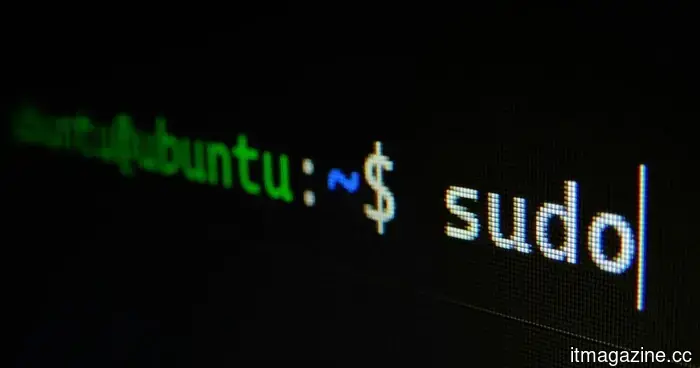 AI is causing chaos for Linux managers overwhelmed by a surge of duplicate bug reports.
Linus Torvalds states that the influx of duplicate AI-generated bug reports is complicating Linux security efforts, making them a triage challenge, and demonstrating that AI can lead to maintenance difficulties even when it identifies actual problems.
AI is causing chaos for Linux managers overwhelmed by a surge of duplicate bug reports.
Linus Torvalds states that the influx of duplicate AI-generated bug reports is complicating Linux security efforts, making them a triage challenge, and demonstrating that AI can lead to maintenance difficulties even when it identifies actual problems.
 A leak regarding the Motorola Edge 70 reveals a device that features an entirely gold and glittery design.
Filtered images of the Motorola Edge 2026 reveal a champagne gold color, a textured back panel, narrow bezels, a flat screen, and an expansive triple-camera setup.
A leak regarding the Motorola Edge 70 reveals a device that features an entirely gold and glittery design.
Filtered images of the Motorola Edge 2026 reveal a champagne gold color, a textured back panel, narrow bezels, a flat screen, and an expansive triple-camera setup.
 X restricts the amount you can post and reply on the platform without charge. You need to pay Musk to continue using these features.
X, the platform previously known as Twitter, seems to have implemented stricter posting restrictions for users who are not subscribed to paid verification, providing yet another incentive for individuals to sign up for X Premium. Based on recent updates in X’s Help Center and various user reports, accounts without verification are now restricted to 50 original posts and 200 replies per […]
X restricts the amount you can post and reply on the platform without charge. You need to pay Musk to continue using these features.
X, the platform previously known as Twitter, seems to have implemented stricter posting restrictions for users who are not subscribed to paid verification, providing yet another incentive for individuals to sign up for X Premium. Based on recent updates in X’s Help Center and various user reports, accounts without verification are now restricted to 50 original posts and 200 replies per […]
 Startled by the MacBook Neo, Asus showcases budget-friendly Intel Wildcat Lake laptops.
Asus' latest Intel Wildcat Lake Vivobooks are exerting early competition on the MacBook Neo, thanks to competitive pricing in China, useful ports, and a quicker 16-inch display choice driving their strategy.
Startled by the MacBook Neo, Asus showcases budget-friendly Intel Wildcat Lake laptops.
Asus' latest Intel Wildcat Lake Vivobooks are exerting early competition on the MacBook Neo, thanks to competitive pricing in China, useful ports, and a quicker 16-inch display choice driving their strategy.
 Fortnite has returned to the App Store globally as the conflict between Epic and Apple moves into its final stage.
Fortnite is making its comeback to Apple’s App Store globally as Epic Games persists in its legal and regulatory battle against the restrictions of Apple's app store.
Fortnite has returned to the App Store globally as the conflict between Epic and Apple moves into its final stage.
Fortnite is making its comeback to Apple’s App Store globally as Epic Games persists in its legal and regulatory battle against the restrictions of Apple's app store.
AI is causing significant trouble for Linux managers overwhelmed by a surge of duplicate bug reports.
Linus Torvalds states that duplicate AI-generated bug reports are making Linux security efforts a triage nightmare, illustrating how AI can generate maintenance challenges even when it identifies genuine problems.